The SUV with the quietest cabin depends on your budget — the Mazda CX-5 (from $31,500) leads compact SUVs, the Kia Telluride dominates midsize starting around $36,000, and the Genesis GV80 is one of the standout near-luxury choices for a quiet cabin. You don’t need to spend six figures for a genuinely peaceful ride — you just need to know which models actually tested quiet and which ones just claim to be.
- What actually makes an SUV cabin quiet?
- Which compact SUV has the quietest cabin?
- Which midsize SUVs are the most peaceful on the highway?
- What’s the quietest 7-seater SUV for families?
- Is a hybrid or EV quieter than a regular gas SUV?
- Does a quiet cabin always mean a luxury price tag?
- The one thing most people forget that ruins an otherwise quiet SUV
- What to actually check at the dealership before you buy
- Frequently Asked Questions
A few years back I jumped into a friend’s brand-new Tesla Model Y — six days after delivery. He wanted me to test FSD, not even show off the car. I closed the door and just sat there for a second. Dead silent. No engine, no hum, nothing. We hadn’t even moved yet.
Then I thought about my old Nissan Pathfinder with the V8. That thing sounded like a diesel truck compared to what I was sitting in.
Here’s what I’ve learned over 25 years of driving everything from economy cars to full-size SUVs: cabin noise is one of those things you don’t notice until you drive something genuinely quiet — and then you can never un-hear it in your current vehicle.
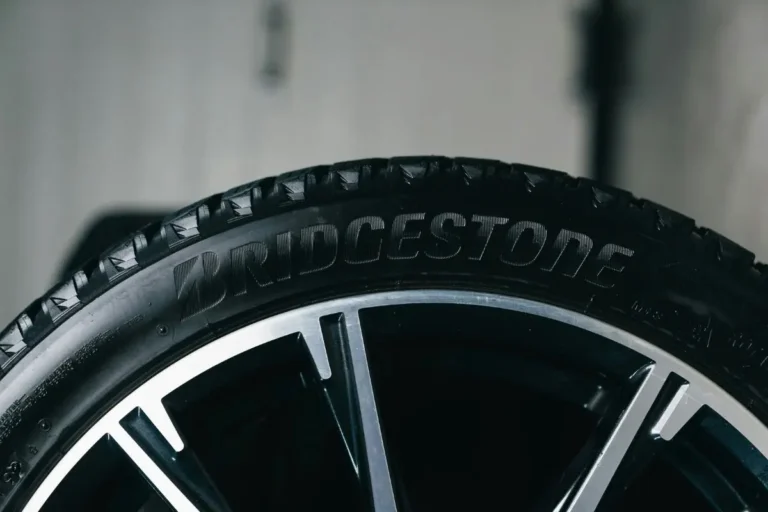
Your tires contribute almost as much to cabin noise as the vehicle itself. See our guide to the best quiet tires for the specific models that make the biggest difference.
SUVs tend to run louder than sedans for real mechanical reasons. Bigger wheels and more aggressive tire tread patterns create more road noise by design. Large boxy SUVs — your Tahoes, Expeditions, Escalades — fight wind turbulence around those flat pillars every mile on the highway. Physics doesn’t care about your luxury trim package.
The good news: you don’t need to spend six figures to get a genuinely quiet ride. There are real, tested, affordable options at every price point. This guide covers the best SUVs with quiet cabins across every budget — with real decibel data from independent testers, not manufacturer PR claims.
What Actually Makes an SUV Cabin Quiet?
Quiet cabins are engineered, not accidental. There are five specific technologies that separate genuinely hushed interiors from ones that just feel okay at a stoplight.
Acoustic laminated glass — A layer of sound-dampening film sandwiched inside the windshield and sometimes front side windows. Blocks wind noise significantly. Many non-luxury SUVs now include it at mid and upper trims.
Active Noise Cancellation (ANC) — Same technology as your noise-canceling headphones, built into the car. Microphones detect low-frequency road noise and cancel it through the speakers. Works. You’ll find it on the Honda CR-V, Chevrolet Equinox, and others under $40K — typically on mid and upper trims.
Sound-deadening materials — Foam, rubber, and insulation in doors, floors, and the firewall. More insulation = heavier car = quieter cabin. Not glamorous, but effective.
Suspension tuning — A well-tuned suspension absorbs road imperfections before vibrations travel through the chassis into the cabin. This is why luxury SUVs feel so quiet — it’s not just padding.
Tire choice — The one variable you control after purchase. More on this at the end.
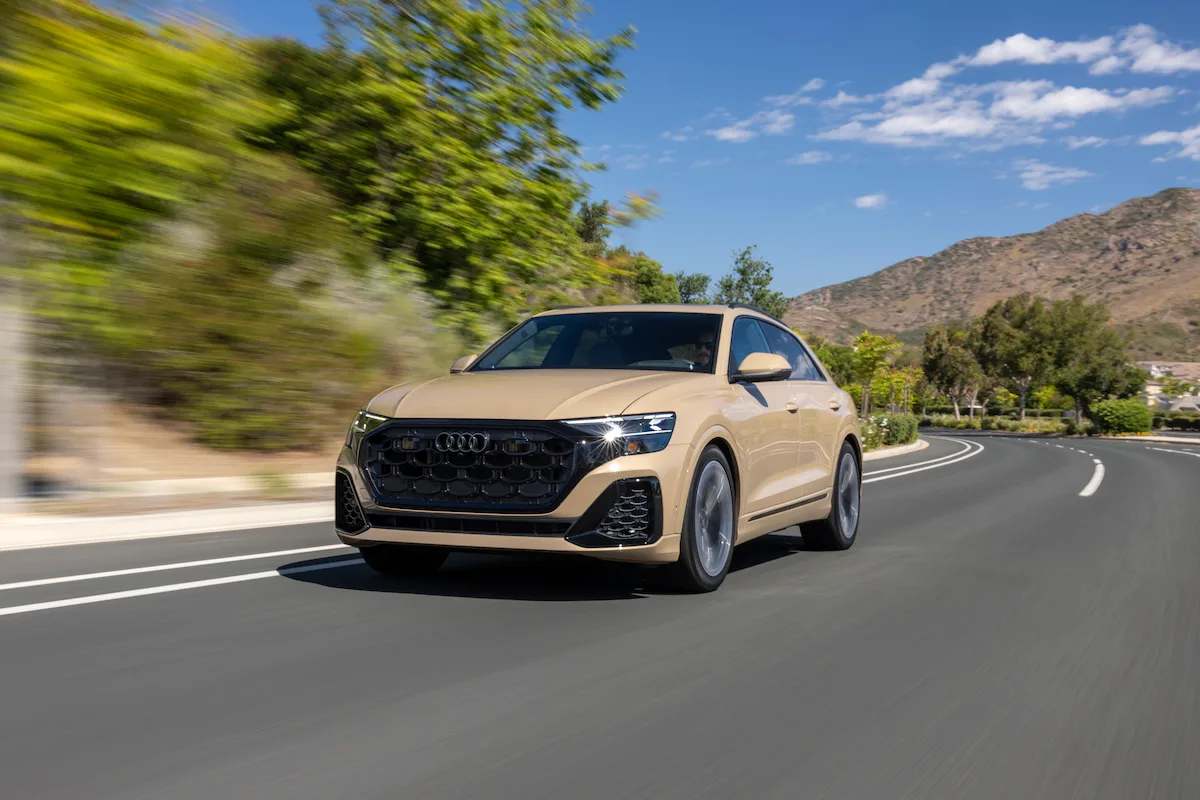
The Audi Q8 Quattro Prestige — among the quietest SUVs Edmunds has recorded in independent testing. For context, a library is around 40 dB. Normal conversation is 60 dB. The difference between models sounds small but feels enormous.
When test driving for cabin quietness, specifically request highway speeds. Most dealership routes stay under 45 mph — that’s where every SUV feels quiet. The real difference shows up between 65–75 mph where road and wind noise peak. If the salesperson pushes back, walk.
Real Decibel Readings: How These SUVs Actually Compare
Every number below is lifted directly from the original published test. CarConfections tests at a consistent 55 mph on Kentucky asphalt — all model years and trims are exact as listed in their master table. The Edmunds Q8 figure is from their separate 70 mph test. The two test speeds can’t be directly compared, but both show you where these vehicles land relative to each other within each test.
| Year / SUV | Cabin dB | Test Speed | Source |
|---|---|---|---|
| 2025 BMW X7 40i | 49.2 dB | 55 mph | CarConfections |
| 2025 Genesis GV80 3.5T Prestige | 49.9 dB | 55 mph | CarConfections |
| Audi Q8 Quattro Prestige | 56.2 dB | 70 mph | Edmunds |
| 2026 Toyota Grand Highlander Hybrid | 51.2 dB | 55 mph | CarConfections |
| 2026 Hyundai Palisade Calligraphy | 52.8 dB | 55 mph | CarConfections |
| 2025 Kia Telluride SX-Prestige X-Pro | 53.9 dB | 55 mph | CarConfections |
| 2026 Mazda CX-5 | 53.9 dB | 55 mph | CarConfections |
| 2025 Honda CR-V Sport Touring | 55.8 dB | 55 mph | CarConfections |
Table scrolls horizontally on mobile. Lower dB = quieter. All CarConfections readings are at 55 mph on Kentucky asphalt. Edmunds tests at 70 mph — the two sources cannot be directly compared. Year, trim, and test conditions are as published in each original source.
The decibel scale is logarithmic, not linear. A 3 dB difference represents twice the sound energy. A 6 dB gap — like what Car and Driver measured between the Telluride and the Palisade — is perceived by most people as roughly half as loud. Numbers that look close on paper feel significant on a 400-mile road trip.
Which Compact SUV Has the Quietest Cabin?
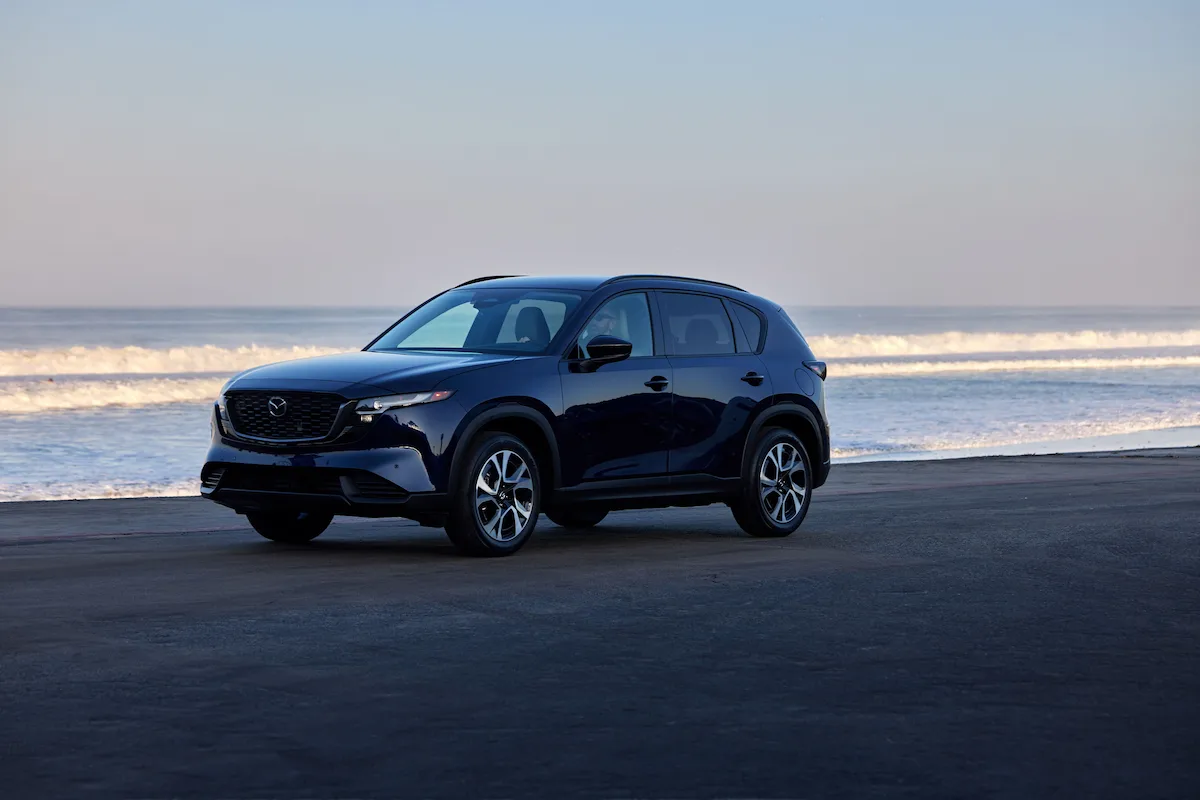
The Mazda CX-5. Consumer Reports and independent testers consistently rank it among the quietest compact SUVs on the market. Mazda’s engineering focus on NVH — noise, vibration, harshness — punches well above its price point. The 2026 model is a full redesign with more interior space and new tech, starting around $31,485.
| Model | Starting Price | Acoustic Glass | ANC | Cabin Rating |
|---|---|---|---|---|
| Mazda CX-5 | ~$31,500 | ⚠️ Upper trims | ❌ No | ⭐⭐⭐⭐⭐ |
| Honda CR-V Hybrid | ~$37,000 | ✅ Hybrid trims | ✅ Yes | ⭐⭐⭐⭐⭐ |
| Hyundai Tucson Hybrid | ~$33,000 | ⚠️ Upper trims | ✅ Yes | ⭐⭐⭐⭐ |
Table scrolls horizontally on mobile. Prices are 2026 MSRP.
Mazda CX-5 — The 2026 is a complete redesign — bigger inside, new tech, still the same obsessive focus on ride quality that made it a class leader. Starting around $31,485. Mazda’s NVH engineering is what consistently sets it apart in the compact segment. Best value pick for a quiet compact.
Honda CR-V Hybrid — Starting around $37,000 for 2026. Yes, it’s more expensive than it used to be. But the 2026 update brought real improvements — 204 hp, wireless CarPlay/Android Auto standard, and a bigger screen. The hybrid powertrain handles most of the noise reduction at city speeds, and active noise cancellation mops up the rest on the highway. Reliable, practical, and genuinely quiet.
Hyundai Tucson Hybrid — Starting around $33,000. Standard AWD on every trim — that’s rare in this segment and adds real value. The 1.6-liter turbocharged hybrid setup produces 231 hp, which is more than either the CX-5 or CR-V Hybrid. Hyundai’s NVH work on the Tucson shows at highway speeds where the cabin stays composed. The 10-year/100,000-mile powertrain warranty is the best in the business.
The base trim of almost any SUV will be noticeably louder than higher trims. Acoustic glass, ANC, and extra insulation are reserved for mid and upper trims. Always check the features list for the specific trim — not just the model name on the window sticker.
Which Midsize SUVs Are the Most Peaceful on the Highway?
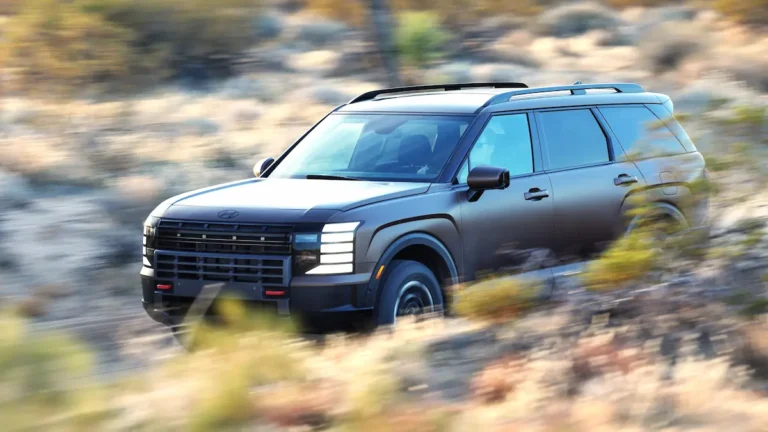
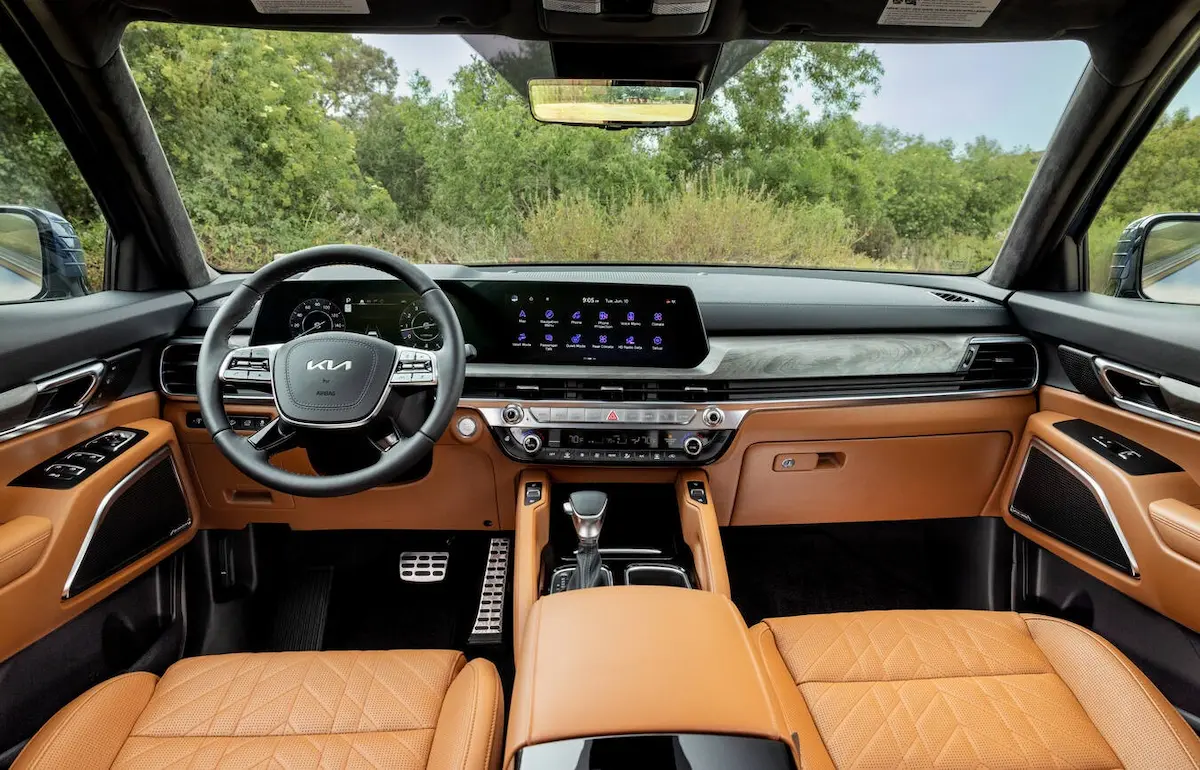
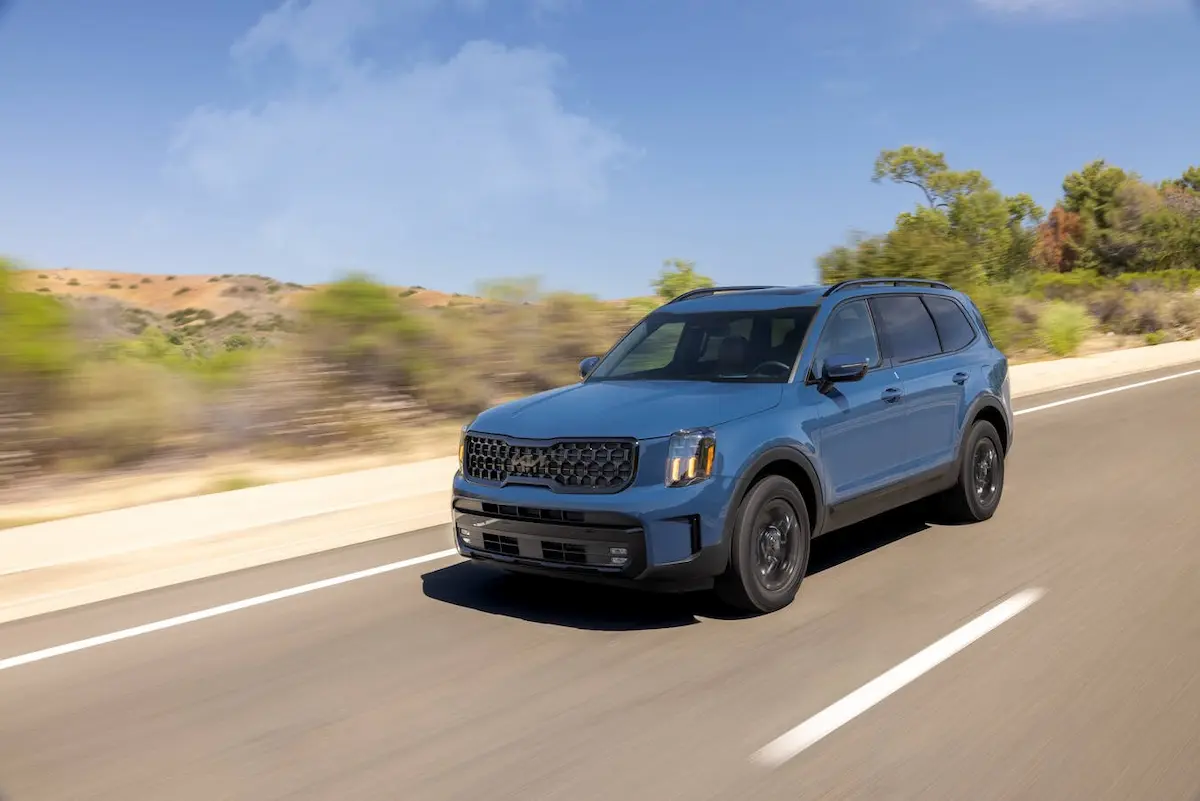
The Kia Telluride — and it’s not just one reviewer’s opinion. U.S. News, Car Confections, and Consumer Reports all rank it near the top of the midsize segment. Starting around $36,000, it genuinely competes with vehicles costing $15,000–20,000 more on ride comfort and cabin refinement.
Kia Telluride — Car and Driver’s published comparison test found the Telluride several decibels quieter than the Hyundai Palisade at 70 mph — a difference they described as “library-quiet.” For context, that puts it in the same range as vehicles costing $20,000–30,000 more. Three rows, adult-usable third row, and a highway cruise that genuinely competes with near-luxury. Starting at $36,190 for the 2025 LX. Start here if cabin quiet is your priority.
Hyundai Palisade — Same platform as the Telluride, same company. Some testers give it a slight edge in interior materials. If you can’t decide, test drive both and pick whichever interior feels right — they’re that close.
Subaru Ascent — Consumer Reports consistently ranks it just behind the Telluride and Palisade for cabin quietness in the midsize class. Starting at $40,215 for 2025. Turbocharged four-cylinder is well-muffled, suspension handles bumps smoothly. Good for families who also need all-weather confidence — standard AWD and serious off-pavement capability come with every trim.
Toyota Highlander Hybrid — Starts around $48,800 for the 2026 model. The hybrid powertrain gives you stretches of near-silence at city speeds, and upper trims add acoustic noise-reducing front side windows. The 35 mpg combined EPA rating means you’re not paying a penalty for the quiet ride. Reliable and genuinely peaceful on long highway drives.
The Kia Telluride at $36K competes directly with luxury midsize SUVs costing $55,000+. The gap has closed — you’re paying a massive premium for the last 10% of refinement.
In Car and Driver’s published head-to-head test, the Telluride measured several decibels quieter than the Palisade at highway speed. That gap is not subtle — a difference in the 3–6 dB range is clearly perceptible to most people on a long drive.
What’s the Quietest 7-Seater SUV for Families?
The Toyota Grand Highlander Hybrid. It’s bigger than the standard Highlander, adds a genuine adult-usable third row with 33.5 inches of legroom, and the hybrid powertrain keeps things calm at the speeds where road noise usually takes over. The 2026 Hybrid starts at $44,710 — not cheap, but significantly less than what the article originally estimated. Toyota also confirmed that acoustic glass is standard on every Grand Highlander trim (windshield and front windows), which is rare at this price point and a real engineering commitment to cabin quiet. Better fuel economy than the gas version, and the silence dividend at city speeds is noticeable.
The Kia Telluride and Hyundai Palisade also offer seven seats at a lower price point, though the third row is tighter. If adults are regularly using that third row, the Grand Highlander is worth the premium.
For a deeper look at three-row options, check out our guide to the best hybrid SUVs with a third row.
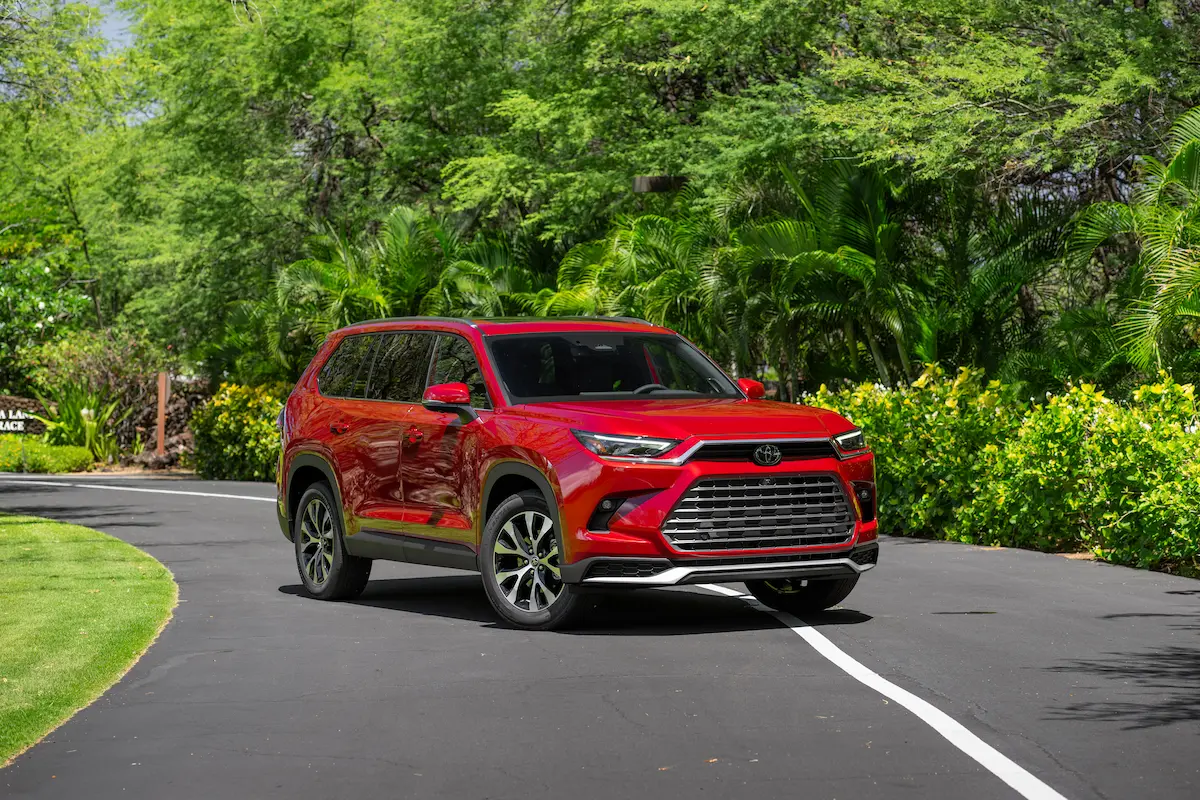
The 2026 Toyota Grand Highlander Hybrid starts at $44,710. The smaller standard Highlander Hybrid starts at $48,815. That’s right — the Grand Highlander Hybrid is bigger, has a proper adult third row, and costs $4,100 less to start. If you’re cross-shopping these two, the Grand Highlander wins on every metric that matters for families: space, quietness, and price.
Electric three-row SUVs like the Kia EV9 are exceptionally quiet — zero engine noise. But they come with charging and range considerations that deserve their own conversation. Head to the EV Guide for the full picture before deciding.
Is a Hybrid or EV Quieter Than a Regular Gas SUV?
Yes — with an important catch. Hybrids and EVs eliminate engine noise, which at low speeds makes them noticeably quieter. That serene pull from a stoplight? Electric motor, running silently.
The catch: at highway speeds, engine noise is no longer the dominant sound in any well-insulated SUV. What you’re actually hearing is tire noise and wind noise — and those hit gas, hybrid, and electric vehicles equally. A poorly insulated EV can actually be louder on the highway than a well-built gas SUV because there’s nothing masking the road noise anymore.
This is exactly why some EV owners are surprised their new car sounds noisier than their old one at 70 mph. The engine was covering it up the whole time.
Hybrids and EVs win at city speeds. At highway speeds what matters is insulation, acoustic glass, and your tires. Don’t buy an EV expecting silence on the interstate — buy it for the right reasons and manage expectations on road noise.
Does a Quiet Cabin Always Mean a Luxury Price Tag?
No. The Mazda CX-5 starting around $31,500 tests in the same ballpark as some SUVs costing twice as much in independent cabin noise tests. The gap between mainstream and luxury cabin quietness has shrunk dramatically over the past decade.
What luxury money actually buys you in the quietness department:
- More acoustic glass — rear windows too, not just front
- More sophisticated ANC systems — more microphones, better cancellation
- Air suspension — the ultimate road surface management tool
- Quieter factory tires — luxury brands spec better rubber as standard
Genesis GV80, Lexus RX, and Audi Q7 are genuinely quieter than mainstream SUVs in decibel testing. The Genesis GV80 starts at $57,700 for the 2026 RWD base — still significantly more than the Telluride, but it undercuts German rivals while matching them in refinement. The Lexus RX starts around $51,000. But the gap between these and a well-equipped Telluride or CX-5 is smaller than the price difference suggests. The mainstream picks in this guide get you 90% of the way there at half the price.
The One Thing Most People Forget That Ruins an Otherwise Quiet SUV
Tires. And most buyers never make the connection.
Here’s what I’ve observed driving SUVs for years: larger wheels with aggressive tread patterns are one of the biggest sources of road noise. Those chunky grooves that look great on the lot? Loud at 70 mph. The wider the tire and the more aggressive the tread, the more surface area is slapping pavement with every rotation.
Your factory tires get replaced eventually. Whatever you put on next will either maintain that quiet cabin or destroy it. All-terrain tires on a Telluride will make it sound like a truck. A set of touring tires on a CR-V will make it noticeably calmer than stock.
Before you buy your next set of tires, read our full guide to the quietest tires for your SUV. It covers exactly what to look for and which tires consistently test quiet on real vehicles.
Upsizing your wheels — going from 18-inch to 20-inch or 22-inch — almost always increases road noise. Bigger wheels look great. They also cost more, ride harsher, and make your quiet SUV noticeably louder. Something to think about before you spec that premium wheel package.
For more practical buying decisions like this, browse our full Buying Advice section.
What to Actually Check at the Dealership Before You Buy
Most people test drive a car at 30 mph in a parking lot and call it good. Here’s what to actually verify before signing anything if a quiet cabin matters to you.
Ask the salesperson the exact trim level you’re looking at — then look it up on the manufacturer’s website before the test drive. Acoustic glass, ANC, and extra sound insulation are often trim-dependent. A base LX Telluride and an SX Prestige Telluride are very different cars acoustically. Know what you’re sitting in.
Check the wheel size — If the vehicle has optional 20-inch or 22-inch wheels, ask if there’s an 18-inch version available. Smaller diameter wheels with more sidewall typically mean a quieter, more compliant ride. What looks good in photos can cost you on every drive.
Drive at highway speed — specifically 65–75 mph — This is where cabin noise actually matters. Request it directly. Most dealership routes don’t go there. If the route doesn’t allow it, find a way or choose a different day. There is no substitute.
Turn off the audio completely — Drive in silence for at least five minutes at highway speed. Road noise, wind noise, and tire noise are easiest to evaluate when you’re not compensating with volume. You want to know what the car sounds like at 70 mph on a Thursday morning commute — not at a test drive with the stereo on.
Check the tire brand and model — Seriously. Ask what tires are on the car you’re driving. Factory tires vary enormously between trim levels and delivery batches. If the car comes with an all-terrain tire, understand that replacing them with touring tires later is an option — but factor it into the price. A noisy tire can ruin an otherwise excellent cabin.
Ask the salesperson: “Does this trim include acoustic laminated glass?” If they don’t know the answer off the top of their head, that tells you something. A good salesperson selling a car they believe in knows this. Pull out your phone and check the manufacturer’s feature list for that exact trim while you’re standing there.