Quick Answer
Start with the exact cars, the prices you’re actually being quoted, your dependable charging options, and the trips the car has to handle.
No dependable charging? A hybrid is usually simpler. An EV can have lower energy costs when the electricity rate and purchase price work in its favor. A PHEV makes the most sense when you’ll actually plug it in regularly.
Federal clean-vehicle purchase credits are not available for vehicles acquired after September 30, 2025.
In This Guide
- What’s the actual difference between a hybrid and an electric car?
- How much does each one cost to buy in 2026?
- Which one costs less to fuel every year?
- Which one is cheaper to maintain?
- What happens to the battery — and how should you think about replacement?
- What if you can’t charge at home?
- Are EVs or hybrids better for road trips?
- Which one holds its value better?
- What about the environment?
- So which one should you actually buy?
- 5-Year Energy Cost Calculator
- FAQ
The useful answer is not a universal winner. A hybrid, PHEV, and EV can each be the right choice depending on the vehicle price, charging setup, energy rates, required trips, and how long you plan to keep the car.
That matters even more in 2026 because the federal clean-vehicle purchase credits are no longer available for vehicles acquired after September 30, 2025. The math now starts with the actual deal in front of you, not an assumed federal credit.
Our full EV Guide covers the deeper charging, range, maintenance, and used-EV questions after you narrow the powertrain choice.
What’s the Actual Difference Between a Hybrid and an Electric Car?
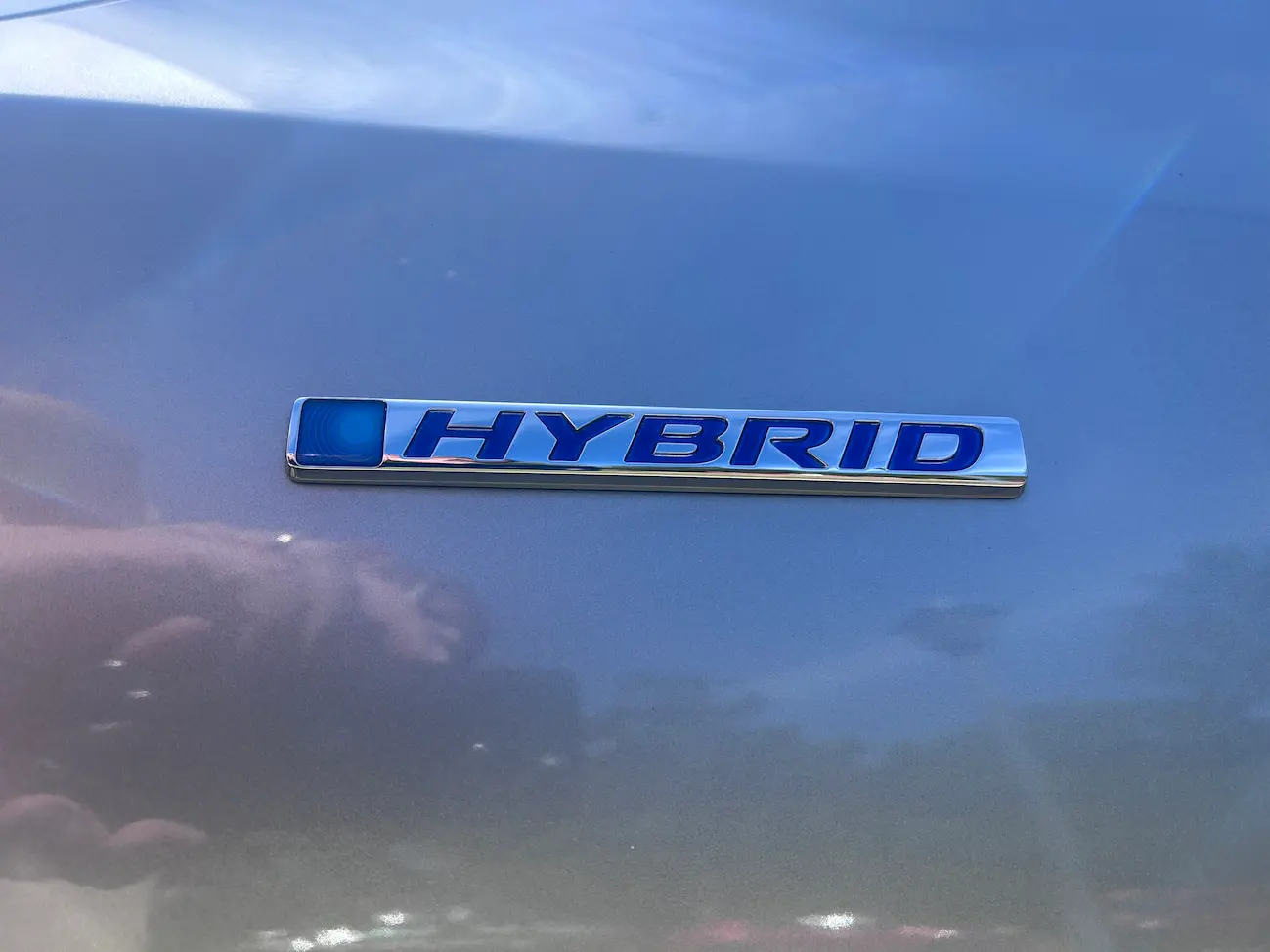
A traditional hybrid (HEV) combines a gasoline engine with an electric motor and a high-voltage battery. You don’t plug it in; the car manages the battery through the engine and regenerative braking.
A battery-electric vehicle (BEV) has no gasoline engine. It stores energy in a larger battery and must be charged from an external source.
The Three Types You’ll See
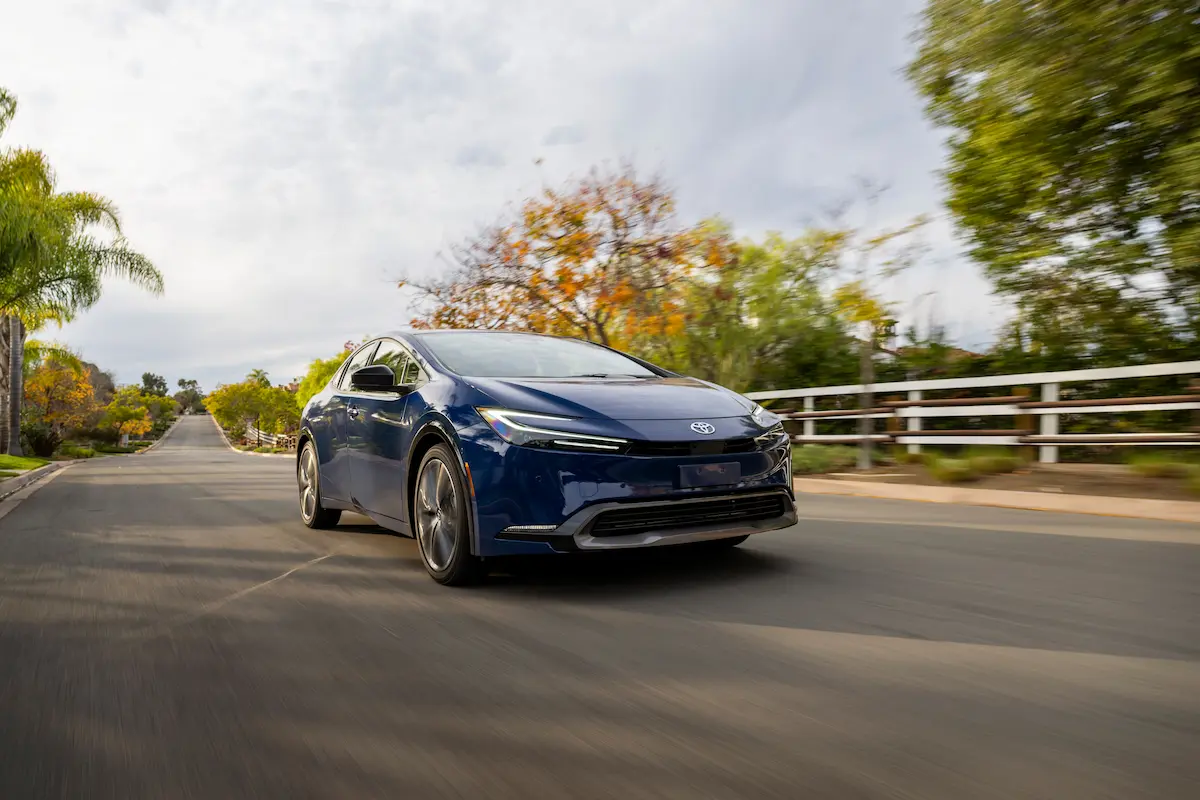
- HEV (Hybrid) — Gas engine + electric motor, no plug. Examples include the Toyota Prius and Honda CR-V Hybrid.
- PHEV (Plug-in Hybrid) — Gas engine + electric motor + a larger battery that you can plug in. How much driving is grid-supported, and when the engine runs, varies by model and how often you charge.
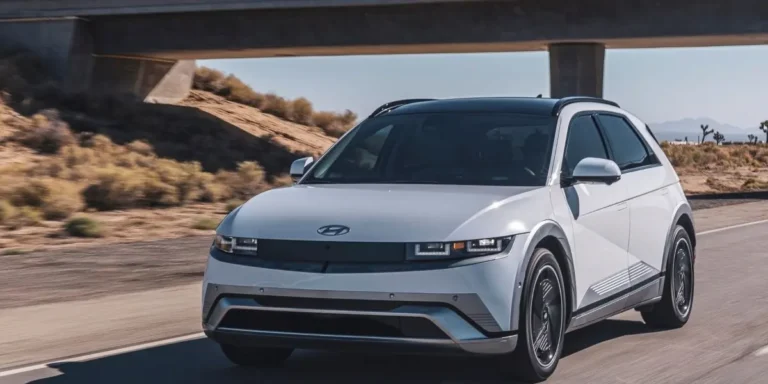
- BEV (Battery Electric) — Electric motors only, no gasoline engine. Examples include the Tesla Model 3, Nissan LEAF, and Hyundai Ioniq 5.
A PHEV is not simply an EV with a backup engine. A functioning PHEV can transition to hybrid operation after its usable plug-in charge is depleted, and some models may run the engine during charge-depleting operation under certain conditions. If you’re comparing a PHEV, use that exact model’s EPA figures and owner’s manual rather than assuming every advertised electric mile is engine-off.
For the rest of this article, “hybrid” means a traditional HEV unless noted, and “EV” means a full battery-electric vehicle.
How Much Does Each One Cost to Buy in 2026?
Don’t compare a national “average hybrid price” with an “average EV price” and call that your answer. The vehicles, trims, incentives, equipment, and dealer discounts may be completely different.
The federal clean-vehicle purchase credits are not available for vehicles acquired after September 30, 2025, according to the IRS. For a 2026 purchase, don’t subtract an assumed $7,500 federal credit from the deal unless your acquisition actually met the pre-deadline rules.
| 2026 example | Powertrain | Base MSRP |
|---|---|---|
| Toyota Prius LE | HEV | $28,550 |
| Toyota Prius Plug-in Hybrid SE | PHEV | $33,775 |
| Nissan LEAF S+ | BEV | $29,990 |
Sources: Toyota Prius, Toyota Prius Plug-in Hybrid, and Nissan LEAF. These are base-MSRP examples, not equipment-matched transaction prices, and they do not prove one powertrain is cheaper as a class.
Use the actual deal: compare comparable vehicles using the out-the-door price, financing if relevant, required charging setup, insurance quote, and the ownership period you actually expect. A powertrain average can hide a price difference large enough to swamp years of energy savings.
If you’re shopping used, don’t treat a low EV asking price as proof of a bargain. Battery, charging, warranty, recall, and condition evidence still matter. Our used electric car buying guide covers that verification process.
Which One Costs Less to Fuel Every Year?
There is no honest class-wide dollar answer. Energy cost depends on the exact vehicle efficiency and the prices you actually pay for gasoline and electricity.
Use These Inputs
- Hybrid: annual miles ÷ the exact vehicle’s combined MPG × your gasoline price.
- EV: annual miles × the exact vehicle’s kWh-per-mile consumption × the electricity rate you actually pay.
- PHEV: split the miles between grid-supported driving and gasoline operation based on how often you can realistically charge.
Cheap, dependable charging can give an EV a large energy-cost advantage. Expensive charging can shrink that advantage or reverse it. The same is true for gasoline prices and the efficiency of the vehicles you’re comparing.
Home ownership is not the deciding input by itself. Reliable workplace or building charging can work just as well for the arithmetic if you know the rate and can actually use it. On the other hand, having a charger in your garage does not guarantee an EV will be cheaper if the EV carries a large purchase-price premium.
The U.S. Department of Energy’s Vehicle Cost Calculator is useful for testing actual vehicle and driving inputs. Treat its defaults as starting points, not as your dealer quote or a guaranteed total cost of ownership.
Which One Is Cheaper to Maintain?
EVs eliminate engine oil changes, spark plugs, and other gasoline-engine service. That is a real maintenance advantage, but it does not mean an EV has no fluids or no scheduled service.
Tesla’s current Model 3 maintenance guidance still calls for items such as brake-fluid checks, filters, tire rotation, and condition-dependent brake service. Tesla’s service documentation also shows gearbox fluid and an oil pump/filter inside certain drive units. In other words: no engine oil is not the same thing as no lubricants.
| Maintenance item | EV | HEV / PHEV |
|---|---|---|
| Engine oil / spark plugs | No gasoline engine, so these engine-service items do not apply | Still has a gasoline engine and its service requirements |
| Drive-unit / transaxle fluid | Model-specific; fluid can exist even when routine replacement is not listed | Model-specific; follow the exact maintenance guide |
| Brakes | Regenerative braking can reduce friction-brake use, but inspection and fluid service still matter | Regenerative braking also reduces friction-brake use on many hybrids |
| Tires | Wear depends on vehicle weight, tire, alignment, torque, driving, and rotation | Same basic wear factors apply; inspect the actual tires |
Sources: Tesla Model 3 service intervals and Tesla drive-unit service documentation.
For the broader service breakdown, see our EV maintenance costs guide. For a purchase decision, don’t insert one fixed annual maintenance number into every EV and hybrid. Use the actual model’s maintenance schedule and condition.

What Happens to the Battery — and How Should You Think About Replacement?
Battery aging matters, but population averages are not a health certificate for the car you’re considering.
EV batteries: Geotab’s current analysis of more than 22,700 EVs reports an average annual degradation rate of 2.3%, with meaningful variation by model and operating conditions. That is useful population evidence. It is not a promise that a specific eight-year-old EV will retain a particular percentage of range or capacity.
For a used EV, the better question is: what battery evidence exists for this exact vehicle? That may include manufacturer diagnostics, service records, warranty records, supported battery-health data, charging behavior, and a controlled road test. Our used EV buying guide explains that evidence hierarchy.
Hybrid batteries: warranty and expected life also vary by manufacturer, model, year, mileage, climate, and use. For example, Toyota states that its hybrid batteries beginning with the 2020 model year are covered for 10 years or 150,000 miles, whichever comes first, subject to the warranty terms. That Toyota coverage is not a universal hybrid warranty.
Battery Cost and Warranty: Use the Exact Vehicle
- Do not budget from a generic battery-replacement price band. Diagnosis determines whether the problem is the pack, a module, another high-voltage component, cooling, software, wiring, or something else.
- Do not assume one EV warranty applies to every EV. Tesla, for example, currently lists different battery-and-drive-unit mileage limits by Model 3 and Model Y configuration, while retaining a minimum 70% capacity threshold during the applicable warranty period.
- Warranty is not lifespan. A coverage term does not predict when a battery will fail, and it does not guarantee an as-new replacement pack.
Sources: Geotab battery-health analysis, Toyota warranty information, and Tesla vehicle warranty information.
For the broader aging question, see what happens to an EV battery after 10 years. Use that population context as background, not as a forecast for one vehicle.
What If You Can’t Charge at Home?
No home charger changes the decision, but it does not automatically rule out an EV.
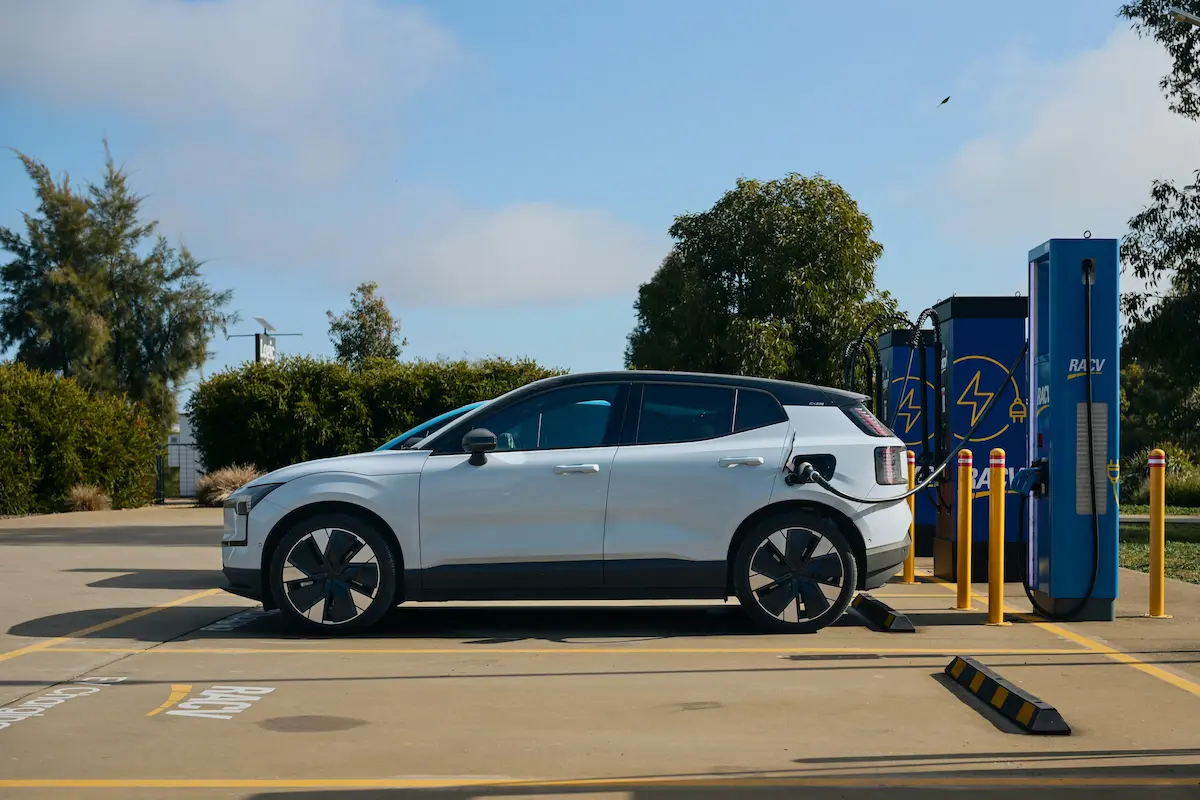
The real question is whether you have a reliable recurring charging plan: permission to use the charger, enough time to restore the energy you need, compatible equipment, a known price, and a backup when the usual charger is unavailable.
No Home Charger? Check the Actual Alternative
- Reliable work or building charging: can make the daily-use math look much like home charging if access and pricing are dependable.
- Mixed public charging: use the rates and fees from the stations you’ll actually use, weighted by how much energy you expect to buy there.
- No dependable recurring charging: that is a serious BEV fit problem. A hybrid may be the simpler choice unless another charging plan is verified.
Likewise, home charging does not guarantee that an EV wins financially. A large purchase-price difference, expensive electricity, insurance, depreciation, financing, or a short ownership period can change the result.
If you’re deciding what home setup you actually need, see our Level 2 charging guide. If the plan depends on public charging, verify the actual stations and rates before you buy.

Are EVs or Hybrids Better for Road Trips?
A hybrid is usually simpler for long-distance travel because refueling is quick and gasoline is widely available. That convenience is real, but it still does not make “hybrid always wins” a useful rule for every buyer.
For an EV, verify the route with the exact vehicle: usable range under the expected weather and load, compatible fast chargers, charging speed, stop locations, reliability, and how much added travel time you consider acceptable. A route that works well for one EV may be frustrating in another.
For the range side of that decision, see how far electric cars actually go. For charging-time details, use our EV charging time guide.
Road Trip Reality Check
- HEV: easiest when you want conventional fueling with no charging-stop planning.
- BEV: can be completely workable when the route, vehicle, chargers, and your time tolerance line up.
- PHEV: a functioning plug-in hybrid can use gasoline after its plug-in charge is depleted, which can reduce road-trip charging dependence. That normal operation is not the same thing as driving with a failed high-voltage system.
Which One Holds Its Value Better?
Don’t use one broad EV-versus-hybrid depreciation percentage to price your future trade-in. Resale varies heavily by model, original transaction price, incentives, age, mileage, condition, battery evidence, and what the market looks like when you sell.
That matters because depreciation can easily outweigh a fuel-cost difference. If you expect to trade in after only a few years, compare actual used-market values for the specific models you’re considering rather than assuming the hybrid or EV category will automatically win.
Our electric car depreciation guide owns the deeper resale question. For this comparison, treat future value as a model-specific input, not a universal powertrain rule.
What About the Environment?
A full EV has no tailpipe emissions. A hybrid still burns gasoline, so it still produces tailpipe emissions even though its fuel efficiency can reduce fuel use compared with a similar conventional gasoline vehicle.
The full emissions picture is more complicated than the tailpipe: electricity generation, vehicle efficiency, battery production, vehicle manufacturing, and how long the vehicle stays in service all matter.
If environmental impact is part of your buying decision, use the EPA Green Vehicle Guide for vehicle-specific emissions information rather than applying one universal percentage to every EV or hybrid.
So Which One Should You Actually Buy?
Use your actual constraints. If a required input is unknown, the honest answer is to verify it before choosing the powertrain.
If you’re still deciding whether an EV fits you at all, our full EV buying decision guide covers the broader question.
✅ Lean toward an EV when:
- You have dependable recurring charging at a known price.
- The exact EV’s purchase price is competitive enough that the operating savings matter within your ownership period.
- Your required trips work with that vehicle’s real route, charging speed, and weather/load conditions.
- You are comfortable verifying insurance, depreciation, charging setup, and battery/warranty details instead of assuming them.
🔶 Lean toward a hybrid when:
- You do not have a dependable charging plan and do not want your routine built around public charging.
- The comparable hybrid is meaningfully cheaper to buy and the EV cannot recover that difference in your expected ownership period.
- Your necessary trips make BEV charging time, route coverage, towing/load limits, or cold/heat performance unacceptable for the exact EV you’re considering.
- You value conventional refueling flexibility more than eliminating engine service.
🔌 Consider a PHEV when:
- You can plug in regularly enough to use a meaningful share of grid energy.
- You still want gasoline flexibility for longer trips.
- The PHEV’s higher purchase price, charging behavior, and engine-service requirements make sense versus the HEV and BEV you’re actually comparing.
If you rarely plug a PHEV in, compare its gasoline-mode economy directly with the HEV instead of assuming the plug automatically saves money.
These are different tools for different use patterns. The right answer comes from the exact car, exact deal, exact charging plan, and trips you actually need to make.
5-Year Energy Cost Calculator: EV versus Hybrid
This calculator compares energy cost only. It deliberately does not pretend that one fixed maintenance number, home-charging label, or national average can settle the full ownership-cost question.
Your 5-Year Energy Cost Estimate
Use your effective home, work, or public-charging rate. If you use a mix, enter a kWh-weighted average and add any recurring session/parking fees separately.
5-Year Energy Cost
Illustrative energy comparison only. Assumes 3.5 mi/kWh for the EV and 45 MPG for the hybrid. It excludes purchase price, charging equipment, maintenance, repairs, insurance, financing, depreciation, registration, taxes, parking, subscriptions, and charging-session fees. Replace the assumptions with the exact vehicles before making a purchase decision.
Frequently Asked Questions
Key Takeaway
A hybrid is usually the simpler answer when dependable charging is not available. An EV can have the lower energy cost when the exact purchase price, charging rate, and required trips line up. A PHEV can work well when you charge it regularly and still want gasoline flexibility.
Don't let a renter label, a 12,000-mile rule, a $40,000 price threshold, or one national average make the decision for you. Compare the actual cars and the actual costs you will face.