EV range in hot weather drops less than it does in winter. But it still bites once a Florida lot turns into an oven.
AAA’s 2026 test found EVs lost 8.5% of range at 95°F. Recurrent saw about 5% at 90°F, climbing to a 17–18% average impact at 100°F across 29,716 cars.
The daily problem here is heat soak, your AC, your tires, and a tiny 12-volt battery. The big pack is not melting — the car just spends energy getting rid of heat.
Last updated: June 2026
What’s on this page
- How much EV range do you lose in hot weather?
- Why does Florida heat affect range differently than cold?
- What actually drains EV range in the heat?
- Why does a parked EV feel worse in a Florida lot?
- Does highway speed hurt range more than heat?
- Does running the AC really hurt your range?
- Is charging in hot weather bad for the battery?
- What does heat do to EV battery life over time?
- What does heat do to the 12-volt battery and tires?
- What should Florida EV owners actually do?
- When should you actually worry?
- FAQ
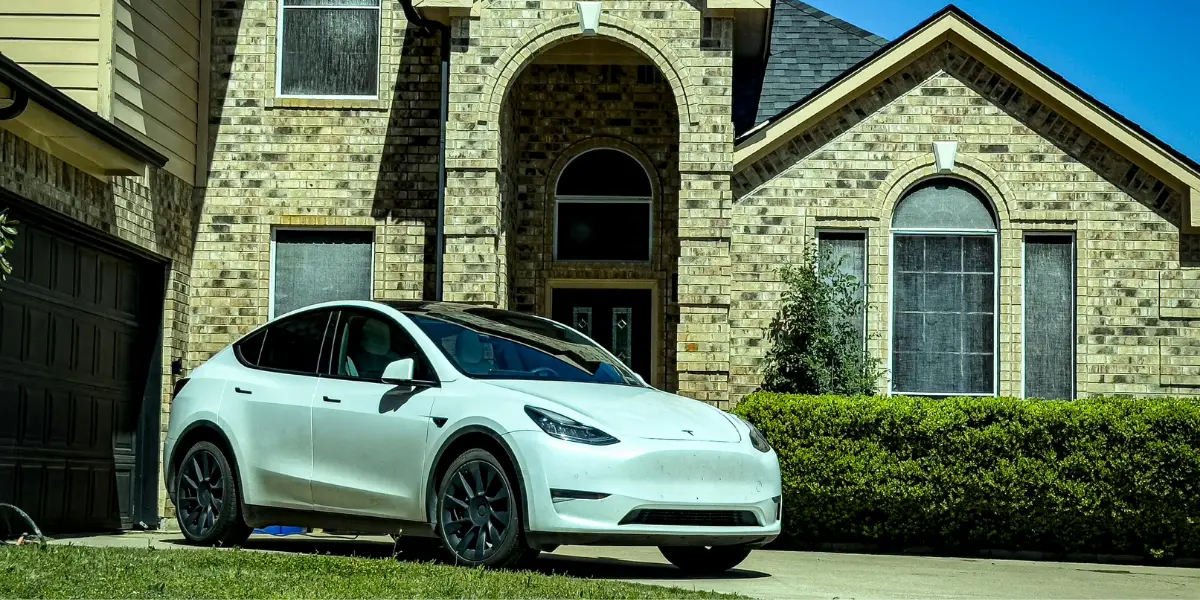
Florida heat is not a theory when you live in it. I park in Saint Augustine, and the car feels cooked before I touch the pedal.
People talk about the battery like it is sitting there melting. What you actually feel first is the whole car fighting heat.
Cold steals range by making the battery sluggish and forcing the car to make heat. Florida summer steals it by making the car dump heat everywhere at once.
How much EV range do you lose in hot weather?
The clean answer: about 5% at 90°F and about 8.5% at 95°F in AAA’s newest test. The numbers look messy only because each study measures something different.
AAA’s 2026 study tested three EVs at 20°F, 75°F, and 95°F. At 95°F, the cars lost 8.5% of range and 10.4% of efficiency versus 75°F.
That is far milder than the old “17% at 95°F” line still floating around the web. EV thermal systems have improved, and stale numbers make heat sound scarier than it is.
Recurrent’s real-world data agrees on the mild end. Range barely moves until about 85°F, then dips around 5% at 90°F.
At 100°F, Recurrent’s 29,716-car study shows a 17–18% average impact. An earlier, much smaller sample suggested up to 31%, but the larger dataset is the honest number.
Geotab looked at 5.2 million trips from 4,200 EVs. On average, EVs delivered 100% or more of rated range from 50°F to 88°F.
| Source | Hot-weather finding | What it means for Florida |
|---|---|---|
| Geotab | 100%+ of rated range from 50°F to 88°F | Warm weather is not automatically bad for range. |
| Recurrent | ~5% loss at 90°F | A normal summer day barely moves the needle. |
| AAA, Apr 2026 | ~8.5% loss at 95°F | Modern EVs handle real heat better than old headlines say. |
| Recurrent | ~17–18% average impact at 100°F (29,716 cars) | Triple-digit heat is where the hit gets real. |
For normal Florida summer driving, plan around 5% to 10% less range on a hot day. A heat-soaked car, a short trip, or 80 mph makes the hit feel bigger.
Why does Florida heat affect range differently than cold?
Cold asks an EV to make heat. Florida asks it to get rid of heat — a different fight.
In winter, the chemistry slows and the cabin heater pulls hard from the pack. In summer, the battery is fine, but the car spends energy cooling the cabin and the pack.
This is why hot-weather range usually beats cold-weather range. The same AAA test found 39% loss at 20°F against just 8.5% at 95°F.
That does not make Florida heat harmless. It makes the damage more daily, more annoying, and more tied to how you park and drive.
I covered the winter side in electric cars in cold weather. Heat is the opposite problem, not the same one wearing sunglasses.
What actually drains EV range in the heat?
The real drains are cabin AC, battery cooling, fans, pumps, and speed. The pack is not bleeding miles because the sun looked at it funny.
The first few minutes cost the most. A baked cabin, hot seats, and a warm battery loop all want cooling at once.
Once the cabin settles, the AC load drops. That is why a long drive after pre-cooling feels normal, but a short errand feels wasteful.
Battery cooling is the quiet part. You may not hear it, but pumps and fans run to keep the pack happy.
The ugly part is not cruising with a cool cabin. It is opening a 130°F cabin, blasting max AC, then driving three miles.
Why does a parked EV feel worse in a Florida lot?
A parked EV here starts the next trip behind. The cabin, glass, seats, tires, and pavement are already hot before you move.
This is the part national articles miss. A Florida owner does not just drive in hot air — the car bakes in it between trips.
Picture a grocery lot, school pickup, or a driveway with no shade. The car is not dying, but it cools everything at once when you return.
That is why pre-cooling matters more here than the internet admits. Tesla says preconditioning while plugged in uses grid power, not the battery, to cool the cabin.

So the pack stays full for driving instead of cooling a hot cabin. It is the single best free habit a Florida owner has.
Does highway speed hurt range more than heat?
Once you are moving fast, yes. On the highway, your right foot matters more than the AC button.

Geotab’s trip data shows a clear pattern. As speed climbs, temperature matters less and aerodynamic drag takes over, per Geotab.
Drag rises sharply with speed, and it punishes range hard. A bigger, boxier EV loses range even faster as the speed climbs.
That matters on I-95, I-4, and the Turnpike. Slowing from 75 to 65 claws back more range than fighting the climate control.
Pre-cool the cabin, then drive 5 to 10 mph slower on the highway. That boring combo saves more range than sweating to prove a point.
Does running the AC really hurt your range?
Yes, but not in the cartoon way people imagine. AC costs the most during the first cooldown, then settles into a small load.
Recurrent pins the 90°F hit near 5%, mostly from cooling people and the battery. Noticeable, but not a disaster.
An EV also cools the same whether parked or driving. There is no hot engine throwing off waste heat for the AC to fight.
So the smart move is simple. Cool the car while it is plugged in, and let house power do the work.
After the cabin is cool, let auto climate handle it. Ventilated seats help too, if your EV has them.
Is charging in hot weather bad for the battery?
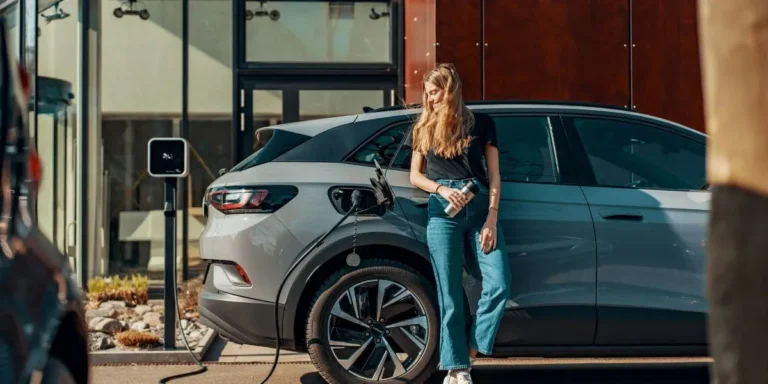
Normal Level 2 home charging in heat is nothing to panic over. The car has a battery management system built to protect itself.
The real concern is repeated DC fast charging on an already-hot pack. That stacks high heat, high current, and cooling load all at once.
Geotab found heavy DC fast charging drives degradation up to 3.0% per year, in its battery-health study. That is about double the 1.5% for a mostly-AC charged car.

The automakers say the same thing in their own way. Tesla recommends leaving the car plugged in so the charging system manages temperature.
Ford tells owners to start scheduled charging about 2 to 3 hours after plugging in. That gives a hot battery time to cool first.
Ford also says to keep your daily charge below 100% to reduce strain. That is the same logic behind the common 80% daily limit.
For the basics on charger types, start with what DC fast charging means. For most Florida owners, home Level 2 is the calmest way to charge.
What does heat do to EV battery life over time?
Heat speeds up battery aging, but this is not a “your EV dies in Florida” story. The honest word is stress, not disaster.
Geotab’s 22,700-vehicle study found hot-climate EVs degrade about 0.4% faster per year than mild-climate ones. Real, but not overnight failure.
Heat gets worse when the car sits near full charge for long stretches. It compounds when high heat, high charge, and fast charging stack together.
That is why the 80% daily rule exists. Charge higher before a trip, but living at 100% in Florida heat helps nothing.
For the long view, read what happens to an EV battery after 10 years. The numbers are far less scary than the internet thinks.
Hot-weather EV range estimator
Enter your rated range and pick the closest Florida scenario. This is a planning estimate, not a lab test.
Temperature factors follow AAA, Recurrent, and Geotab directionally. Speed, wind, traffic, tire pressure, and battery condition all move the real number.
What does heat do to the 12-volt battery and tires?
This is the section I trust most, because it is the boring stuff that strands people. Your EV still has a 12-volt battery, and Florida heat does not spare it.
The big traction pack gets cooling, software, and a long warranty. The little 12-volt battery just sits there, and heat is brutal on it.
Most people blame cold for dead batteries. They are wrong: heat is the number one cause of 12-volt battery failure, according to AAA.
The lifespans prove it. A 12-volt battery lasts 58 months up north but under 41 months in the South, per Jalopnik.
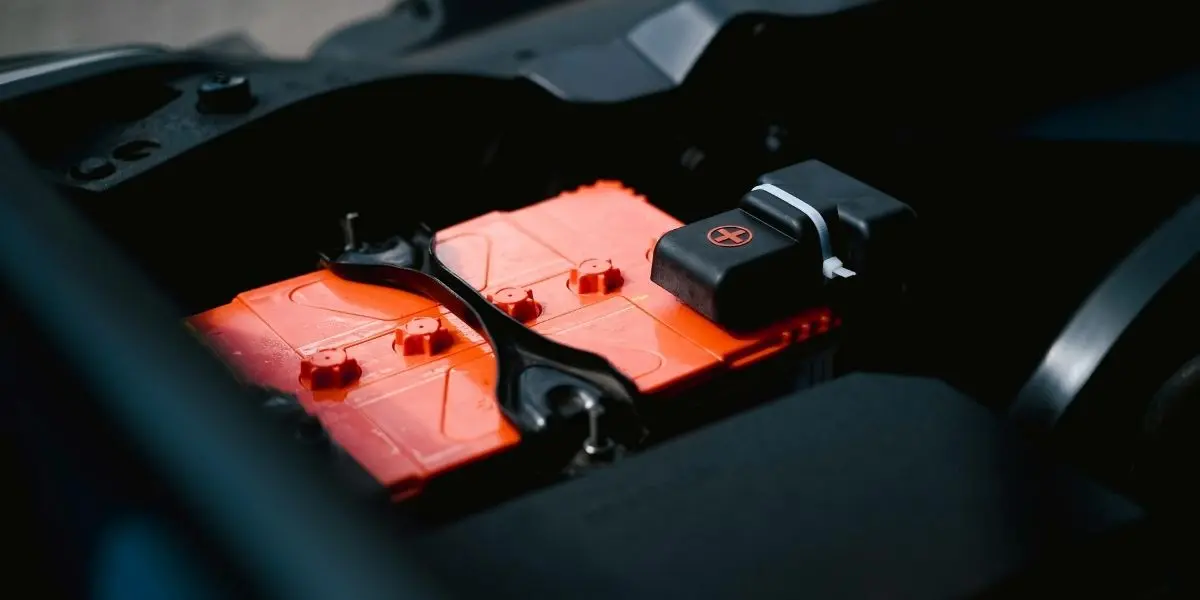
That little battery wakes the computers, locks, and contactors. If it goes weak, the big pack can be full and the car still acts dead.
That is what strands you in a hot lot, not the traction pack. So I keep a compact lithium jump pack like the NOCO Boost GB40 in the trunk.
Tires take their own Florida beating. Pressure climbs about 1 psi per 10°F, the rubber runs hot, and it ages faster, per AAA.
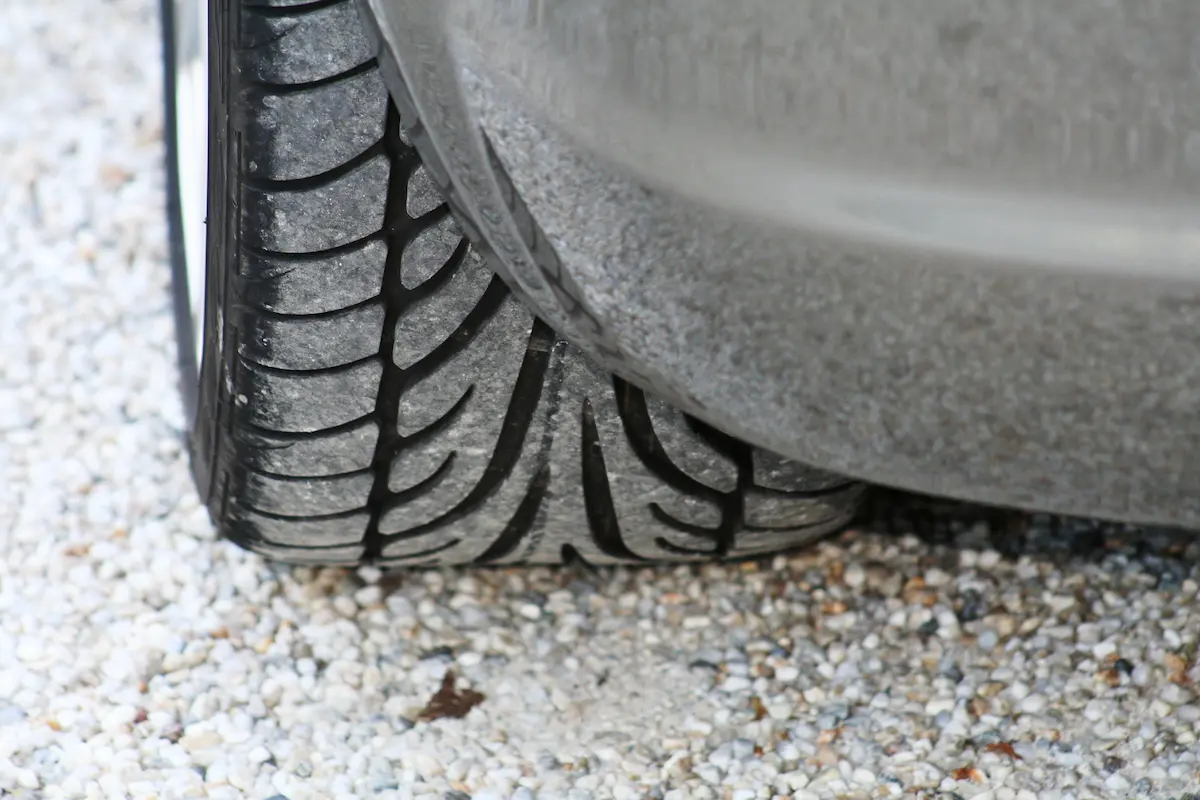
EVs are heavy and quiet, so they already wear tires faster than a gas car. A summer pothole on a hot, soft tire is a bad day.
It is worth protecting that investment. Tire Rack’s Road Hazard Protection covers exactly that kind of damage.
The high-voltage battery gets the headlines. The 12-volt battery and the tires are what I would actually watch here.
What should Florida EV owners actually do?
Start with the easy stuff: pre-cool while plugged in, and park in shade when you can. Do not let the car sit near empty in brutal heat.
Set a sane daily charge limit. For many EVs that means about 80%, though brands give slightly different guidance.
Use Level 2 at home for routine driving. If you are still shopping, here is my take on the best home EV chargers.
Still picking the car itself? I ranked the best EVs for hot weather using this exact heat data.
Slow down on long highway runs. If the range number makes you nervous, your speed is the first knob to turn.
Keep tire pressure honest and watch the 12-volt battery as the car ages. Those two make an EV feel less reliable than it is.
And do not kill the AC just to prove you are efficient. You bought the car to drive it, not to marinate in traffic.
When should you actually worry?
Do not panic because the range estimate drops on a hot afternoon. That is normal after short trips and full-sun parking.
Do worry about repeated charging slowdowns in normal conditions, battery-temperature warnings, or a sudden range drop. Those point at the thermal system working too hard.
Also watch the 12-volt signs: slow wake-up, random warnings, or a car that acts asleep. That is often the small battery, not the big one.
Hot-weather ownership is mostly a habit problem, not a fear problem. Pre-cool, keep a charge cushion, drive sane speeds, and check the boring parts.
For the bigger picture, see how far electric cars actually go across conditions. The rest of my EV Guide covers charging and battery life without the scare tactics.
Frequently asked questions
Do EVs lose range in hot weather?
Yes, but usually less than in deep cold. AAA found 8.5% range loss at 95°F versus 75°F. Recurrent saw about 5% at 90°F and a 17–18% average impact at 100°F across 29,716 cars.
How hot is too hot for an EV?
There is no single cutoff for normal driving, since modern EVs manage battery temperature on their own. The trouble grows when extreme heat meets full-sun parking, low charge, high speed, and repeated fast charging.
Does AC drain an EV battery fast?
AC uses the most energy during the first cabin cooldown. After the cabin is stable, the load drops sharply. Pre-cooling while plugged in is the best simple fix.
Do EVs charge slower in hot weather?
They can, especially on a DC fast charger when the battery is already hot. The car may slow charging to protect the pack. Some energy then goes to cooling instead of charging.
What is the 80% rule for EVs in summer?
It means charging to about 80% for daily use instead of sitting at 100%. Ford advises keeping the daily maximum below 100% to reduce strain. Charge higher only before a long trip.
Can hot weather damage an EV battery?
Heat can speed long-term aging, especially with high charge and frequent fast charging. Geotab found hot-climate EVs degrade about 0.4% faster per year. That is stress over years, not sudden failure.
Are electric cars good in Florida heat?
Yes, a modern EV works well in Florida heat. The owner just manages heat soak, charging habits, highway speed, tire pressure, and the 12-volt battery.
Can an EV overheat?
It is possible, but EVs use active thermal management to avoid dangerous battery temperatures. If you see a battery-temperature warning or constant charge limits, treat it as a service issue.
Sources: AAA 2026 temperature study · Recurrent hot-weather range study · Geotab EV range vs temperature · Geotab speed vs temperature · Geotab EV battery health study · Tesla summer driving tips · Tesla hot weather best practices · Ford EV charging support · AAA: heat and 12-volt battery failure · Jalopnik: car batteries in hot climates · AAA: tire pressure and temperature