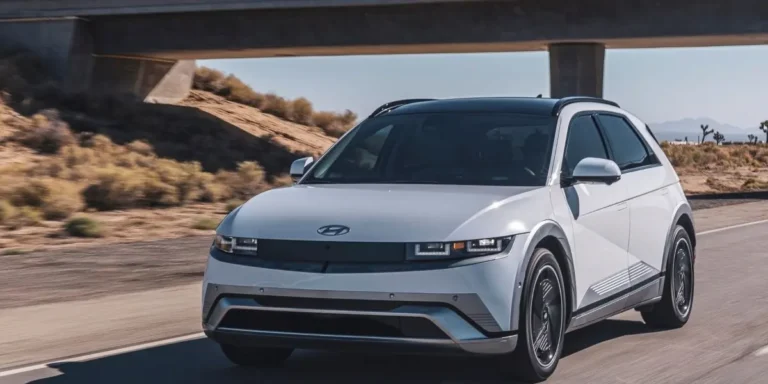
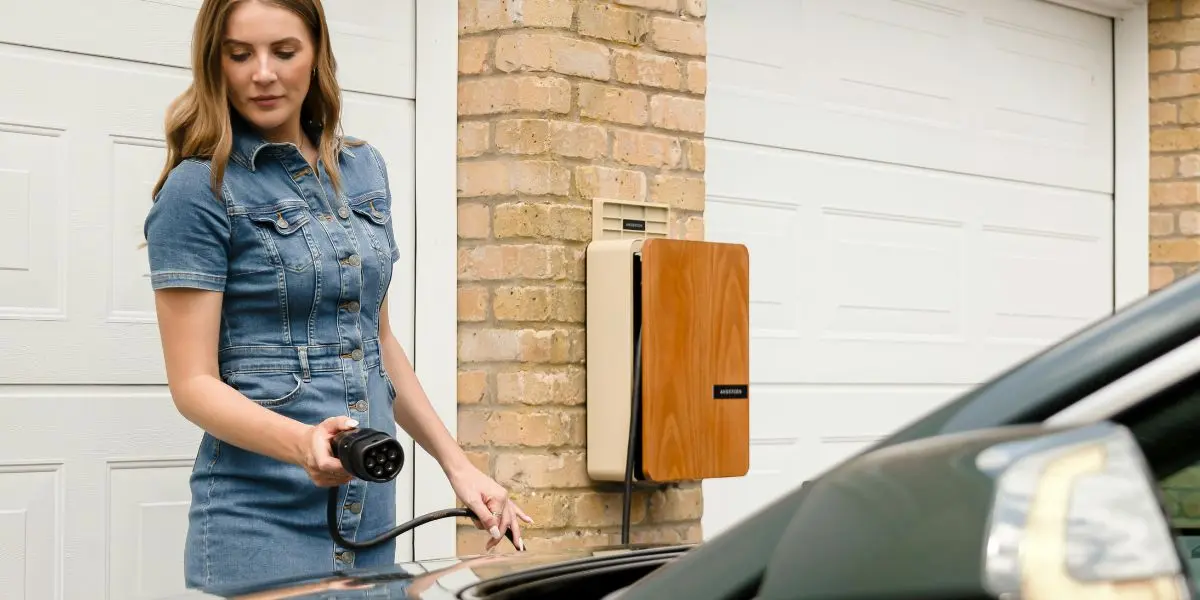
Level 2 is AC EV charging that commonly uses 240-volt service at homes and 208-volt service at many commercial locations. The EPA says home Level 2 equipment typically adds about 25–40 miles of range per hour, but the actual rate depends on the EVSE, the available electrical supply, and your car’s onboard charger.
You need Level 2 when your current charging cannot reliably replace the energy you use before the next drive. If Level 1 already keeps up, buying a faster setup may solve a problem you do not have.
Last reviewed and corrected: September 10, 2026
In This Guide
- What Is Level 2 Charging, Exactly?
- How Fast Is Level 2 Charging?
- How Does Level 2 Compare to Level 1 and DC Fast Charging?
- What Connector Does a Level 2 Charger Use?
- How Much Does Level 2 Charger Installation Cost?
- What Does Level 2 Cost to Use at Home?
- Do You Actually Need a Level 2 Charger?
- Can My House Handle a Level 2 Charger?
- Is Level 2 Charging Bad for Your Battery?
- Are Tesla Chargers Level 2?
- Frequently Asked Questions
If you’re shopping for your first EV, “Level 2” is a term you’ll keep running into. The basic idea is simple, but the numbers get confusing fast because charging current, circuit rating, charger output, and the car’s own limit are not the same thing.
I’ve spent 25 years working on cars. Household electrical design is electrician territory, so this guide stays on the useful side of that line: what Level 2 means for the car, when you actually need it, and what a qualified installer needs to evaluate.
What Is Level 2 Charging, Exactly?
Level 2 is higher-power AC charging. In the U.S., the Department of Energy’s Alternative Fuels Data Center describes Level 2 as using 240-volt service in typical residential applications or 208-volt service in typical commercial applications.
The hardware between the electrical supply and the car is EVSE — Electric Vehicle Supply Equipment. With AC charging, the vehicle’s onboard charger converts that AC power to DC so the battery can store it.
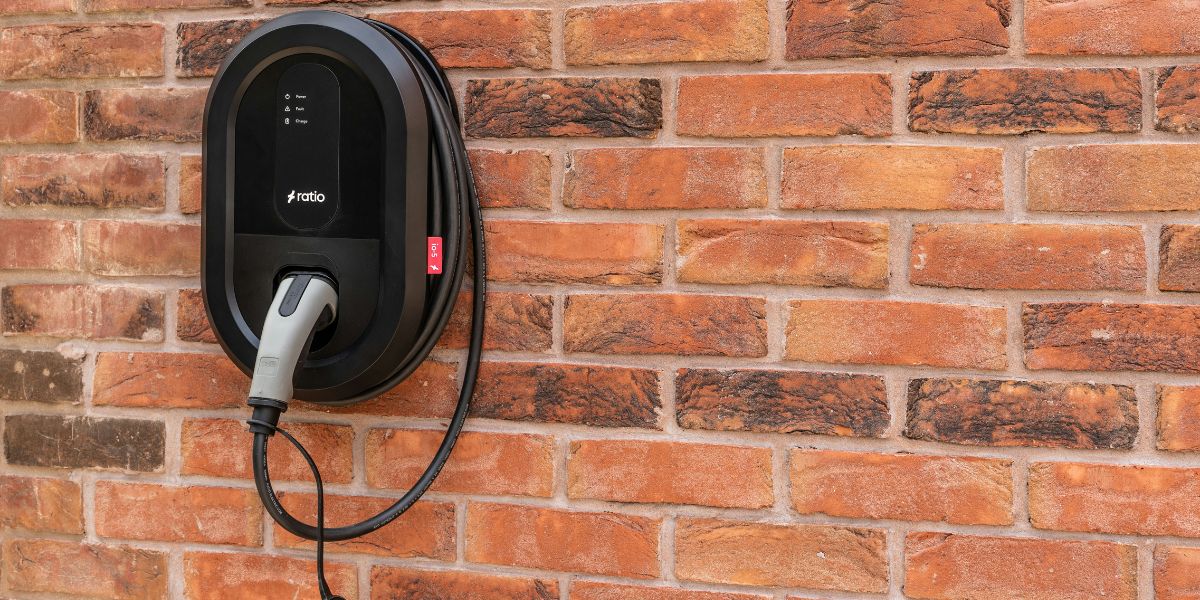
One detail matters here: charging current is not the same as the branch-circuit rating. AFDC’s 7.2 kW example uses 30 amps of charging output and a dedicated 40-amp circuit. That is why a phrase such as “7.2 kW on a 30-amp circuit” is not an interchangeable way to describe the setup.
Level 2 is faster AC charging, usually 240V at a U.S. home. The wall equipment can offer power, but your car’s onboard charger decides how much AC power the vehicle can actually accept.
How Fast Is Level 2 Charging? (The Numbers That Actually Matter)
The EPA’s home-charging guide says Level 2 commonly adds about 25–40 miles of range per hour. Treat that as a broad consumer estimate, not a promise for your car. Vehicle efficiency, charging output, temperature, battery state, and the onboard charger all affect the result.
Level 2 itself covers a wide power range. AFDC lists Level 2 equipment from about 2.9 to 19.2 kW. More EVSE output does not automatically mean your car charges faster; once you reach the vehicle’s AC limit, extra output buys no additional charging speed for that vehicle. Tesla’s current Wall Connector table is one concrete example: it separates circuit-breaker rating, EVSE output current, and power instead of treating them as the same number.
| Charging Output Current | Approx. Power at 240V | What It Means |
|---|---|---|
| 16A | 3.8 kW | Lower-power Level 2 can still be enough if your daily energy need is modest. |
| 24A | 5.8 kW | Faster than Level 1 without assuming you need a high-output wall unit. |
| 32A | 7.7 kW | A common useful ceiling for EVs whose onboard chargers accept about this much AC power. |
| 40A | 9.6 kW | Useful only when the vehicle and the installed setup support it. |
| 48A | 11.5 kW | Higher-output home charging for vehicles that can actually accept it. |
Important: the table shows EVSE output current and approximate power. It is not a circuit-sizing chart. The circuit, wiring, connection method, permits, and installation details belong to the equipment instructions and a qualified installer.
For a full charging-time calculation by battery, starting charge, target charge, and charger power, use the separate guide on how long it takes to charge an electric car.
How Does Level 2 Compare to Level 1 and DC Fast Charging?
There are three common charging categories in North America. They serve different jobs.
If you want the full mechanics — including what happens inside the car — the guide on how EV charging works owns that broader explanation.
| Charging Type | Power Source | Broad Consumer Speed | Typical Use |
|---|---|---|---|
| Level 1 | 120V AC | About 3–5 miles of range per hour | Home charging when daily driving is light enough for it to keep up |
| Level 2 | 240V AC at homes; 208V is common commercially | About 25–40 miles of range per hour | Home, workplace, apartments, and public destination charging |
| DC fast charging | DC delivered to the vehicle battery system | Much faster; strongly vehicle- and battery-state-dependent | Road trips and short-dwell public charging |
Level 2 is common for daily home charging, but it is not automatically the right choice for every driver. If Level 1 restores what you use during the time the car is parked, there may be no practical reason to upgrade.
What Connector Does a Level 2 Charger Use?
In North America, Level 2 AC charging now commonly involves either J1772 or J3400/NACS, depending on the vehicle and the charging equipment. The EPA lists both connector families in its current home-charging guidance.
J1772 has been widely used for Level 1 and Level 2 AC charging on North American EVs. J3400/NACS can support AC charging as well, but connector adoption is in transition and model-year shortcuts age badly.
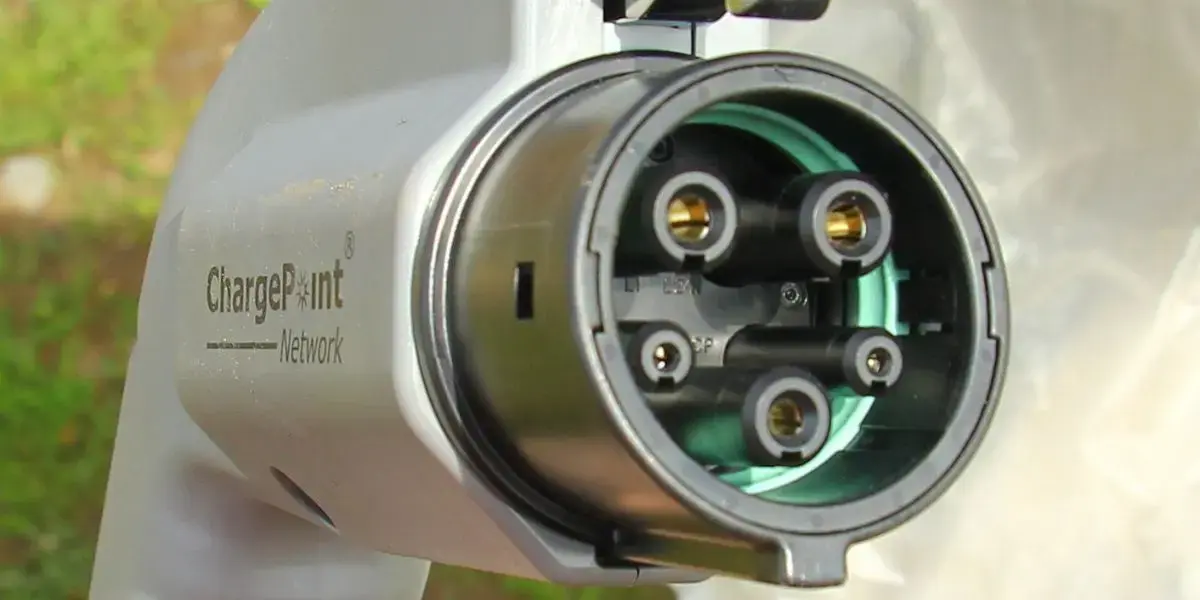
Check the exact charging inlet on your vehicle and the exact plug on the EVSE before buying equipment. If an adapter is involved, verify that the vehicle and adapter manufacturer support that specific AC charging direction. Do not assume an AC adapter also provides DC fast-charging compatibility.
How Much Does Level 2 Charger Installation Cost?
There is no honest single national number that tells you what your house will cost. The price changes with the EVSE, charging output, distance from the electrical panel, cable or conduit route, parking location, permits, and whether the existing electrical system needs work.
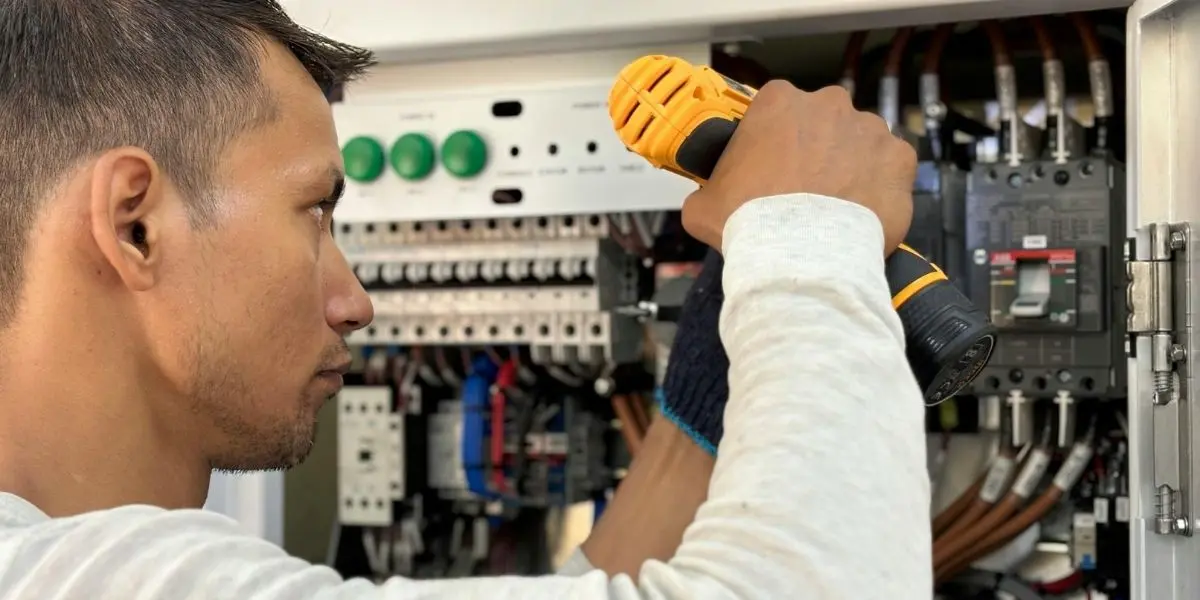
The EPA specifically points to charger amperage, distance from the panel, installation location, and electrical upgrades as major cost drivers. The useful move is to get an itemized quote that separates equipment, the circuit/cable route, site work, permits, and any panel, service, or load-management work.
The federal Alternative Fuel Vehicle Refueling Property Credit is not available for property placed in service after June 30, 2026. If your charger was placed in service on or before that date, eligibility still depends on the current IRS requirements, including location and other rules.
State, local, and utility programs are separate. Check the current program that actually applies to your address before counting a rebate into the budget.
If you decide Level 2 is worth installing, use the separate home EV charger guide for hardware selection. This page should answer whether you need Level 2, not duplicate the product-ranking job.
What Does Level 2 Cost to Use at Home?
Level 2 does not create a special electricity price. Your charging cost depends on how many kilowatt-hours you draw from the wall and what your utility charges for those kilowatt-hours.
The basic relationship is simple: wall energy used (kWh) × your applicable electricity rate = charging energy cost. Use the rate from your own utility plan, not a national or Florida shortcut. Time-of-use plans can also change the answer by hour, so check the actual tariff before assuming overnight charging is cheaper.
Battery capacity alone does not tell you a normal nightly bill. Starting charge, target charge, charging losses, driving energy, and your utility rate all matter. For broader ownership economics, keep the charging-cost question separate from the decision about whether Level 2 is fast enough for your routine.
Do You Actually Need a Level 2 Charger?
Not everyone does. The right question is not whether you drive more than some universal mileage cutoff or own a battery larger than a certain number of kilowatt-hours.
Level 1 may be enough if it reliably replaces the energy you normally use during the hours the car is actually available to charge. Level 2 becomes useful when your current charging regularly leaves you short, your available charging window is too small, or you need faster recovery after longer driving days.
Your car’s onboard AC charger also sets a ceiling. Buying an 11.5 kW EVSE does not make an EV with a roughly 7.7 kW onboard limit charge at 11.5 kW.
If you already have safe, usable Level 1 charging, watch whether it consistently restores what you use over normal days and your longer days. If it keeps up, save the money. If it does not, Level 2 gives you a real problem to solve instead of a spec to chase.
If an upgrade makes sense, here is which home EV charger is actually worth buying.
For more on how charging access changes the overall EV decision, the full EV Guide covers the surrounding ownership questions.
Can My House Handle a Level 2 Charger?
You cannot answer that safely from the number printed on the main breaker alone. A 100-amp or 200-amp service label does not tell you the home’s existing load, the condition and capacity of the relevant equipment, the proposed charging demand, or what local rules apply.
The EPA recommends a professional assessment when a new charging circuit is needed. A qualified installer can evaluate the load, the panel and service, the proposed EVSE, the wiring route, the parking location, and permit or inspection requirements.
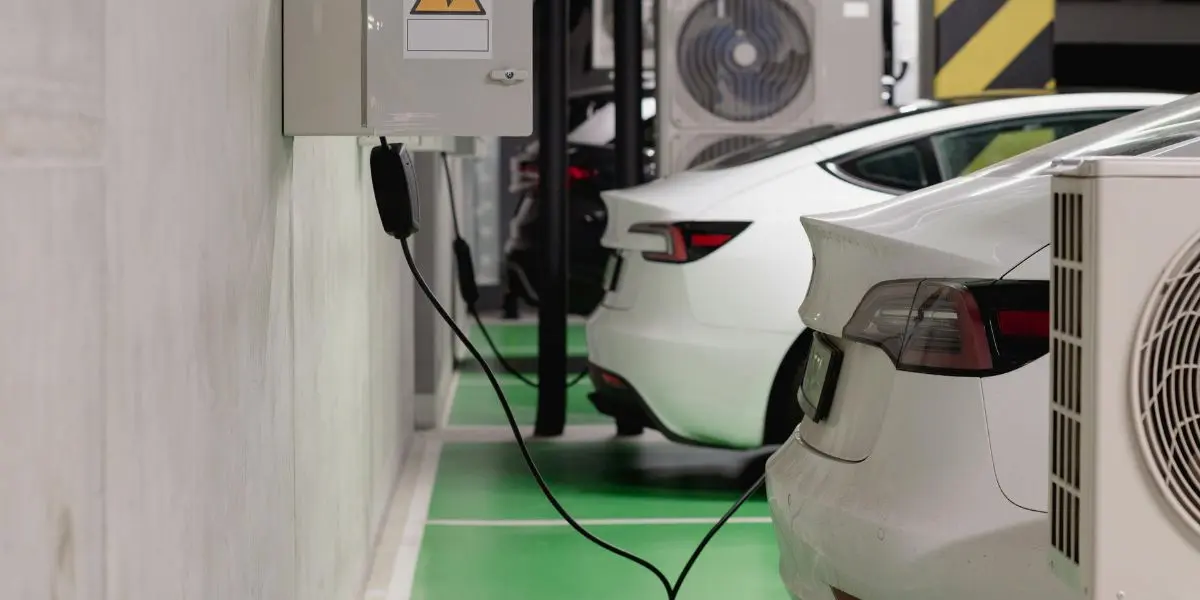
Do not assume an existing dryer or appliance outlet is automatically suitable for EV charging just because the voltage looks right. The circuit, receptacle, wiring, duty, location, and EVSE requirements still have to match.
If you park outside, rent, live in a condo, or do not control the parking space, confirm permission, a workable cable location, and the rules that apply before buying hardware. Outdoor equipment should be rated for the environment and installed as required for that location.
Some charging systems support load management, which may help in power-constrained homes, but that is an option for the installer to evaluate — not proof that a panel or service upgrade is unnecessary.
Our guide to how long it takes to charge an electric car can help you decide how much charging speed your driving routine actually needs before you size the purchase.
Is Level 2 Charging Bad for Your Battery?
Level 2 is AC charging, so the vehicle’s onboard charger converts AC to DC before energy is stored in the battery. The vehicle controls how much AC power it accepts; the EVSE cannot force the car to exceed that onboard limit.
That does not mean every EV has the same battery-care rules or the same charging behavior near full. Charge limits, thermal management, and how charging power changes at high state of charge are vehicle-specific. Follow the charging guidance for your exact vehicle instead of assuming there is one universal rule.

Does Level 2 Always Slow Down After 80%?
No universal 80% AC-charging threshold applies to every EV. Charging behavior near full depends on the vehicle, battery state, temperature, charge-limit settings, and the manufacturer’s control strategy. If the last part of a charge matters to your schedule, check the behavior and guidance for your exact model.
Are Tesla Chargers Level 2?
It depends which Tesla product you mean.
Tesla Wall Connector: This is Level 2 AC charging equipment. Tesla currently lists up to 11.5 kW / 48 amps of output, but the actual charging rate is limited by the vehicle’s onboard charger and the configured installation. Tesla tells non-Tesla owners to check the vehicle manufacturer’s charging guidance and to match the Wall Connector plug to the vehicle inlet.
Tesla Supercharger: This is DC fast charging, not Level 2. The station supplies DC for rapid public charging rather than the AC home-charging path used by a Wall Connector. Tesla’s onboard-charger documentation explains the AC-to-DC conversion used by home AC charging.
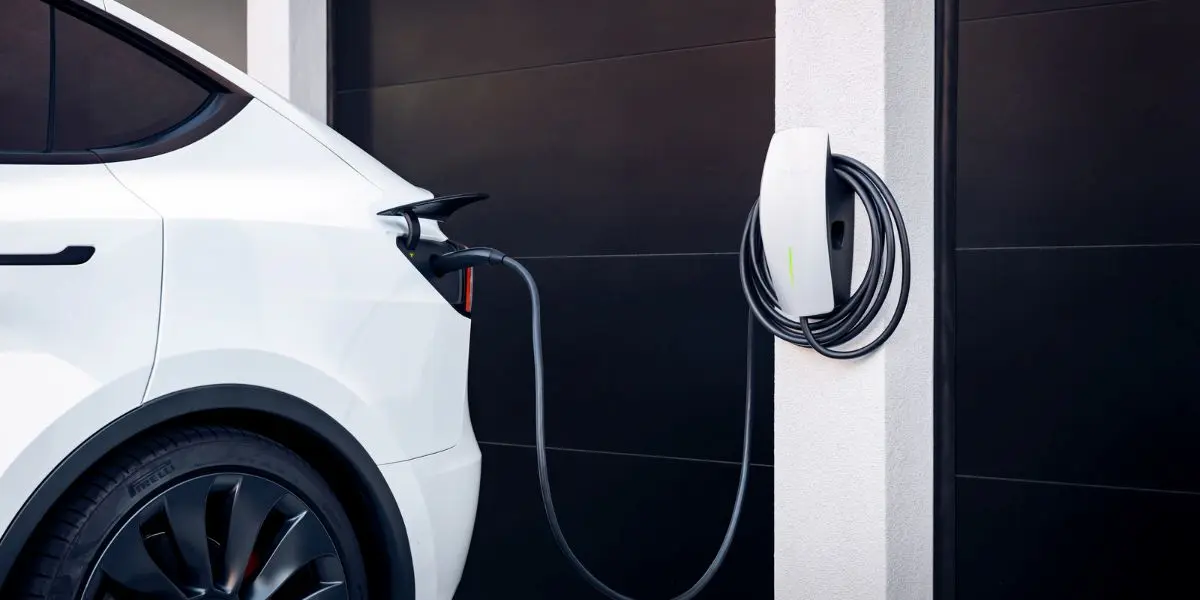
Tesla Wall Connector = Level 2 AC home/workplace charging. Tesla Supercharger = DC fast charging. Same brand, very different charging systems.
Frequently Asked Questions
What is a Level 2 EV charger?
Level 2 is higher-power AC EV charging. In U.S. residential use it commonly uses 240-volt service; 208-volt service is common in commercial applications. Your vehicle’s onboard charger converts the AC power to DC for the battery.
Is a Level 2 charger 220 or 240 volts?
For U.S. residential charging, 240V is the normal nominal term. People may casually say “220,” but do not use that nickname to decide whether equipment or a circuit is suitable. Check the actual equipment rating and installation.
How fast is Level 2 charging?
The EPA gives a broad consumer estimate of about 25–40 miles of range per hour. Your real rate depends on EVSE output, the electrical supply, vehicle efficiency, and the car’s onboard AC charging limit.
How much does Level 2 charger installation cost?
There is no reliable one-price answer for every home. Ask for an itemized local quote covering the charging equipment, wiring/circuit route, permits, site work, and any panel, service, or load-management work that is actually required.
Is the federal 30C home-charger tax credit still available?
Not for property placed in service after June 30, 2026. If your charging equipment was placed in service on or before that date, check the current IRS rules to see whether that installation qualifies.
Is Level 2 charging bad for the battery?
Level 2 is normal AC charging, but battery-care guidance is vehicle-specific. Follow the charge-limit and battery guidance for your exact EV rather than assuming one universal rule applies to every battery.
Do I need a Level 2 charger, or will Level 1 work?
If Level 1 reliably replaces the energy you use before your next drive, it may be enough. Level 2 becomes useful when your current charging regularly cannot recover your routine within the time the car is available to charge.
Can my house handle a Level 2 charger?
A main-service rating by itself cannot answer that. A qualified installer should evaluate the home’s load, panel/service, proposed charging equipment, wiring route, connection method, and local permit or inspection requirements.
Are Tesla chargers Level 2?
Tesla Wall Connector is Level 2 AC equipment. Tesla Superchargers are DC fast chargers. Wall Connector speed and compatibility depend on the exact vehicle, connector, and installation.
Does Level 2 charging slow down after 80%?
Not according to one universal threshold that applies to every EV. Charging behavior near full is vehicle- and condition-dependent, so check the guidance and behavior for your exact model.
What connector does a Level 2 charger use?
North American Level 2 AC charging commonly uses J1772 or J3400/NACS. Match the EVSE to your exact vehicle inlet and verify any adapter for that specific AC charging use.
How do I estimate what home charging will cost?
Use the kilowatt-hours drawn from the wall and the rate from your own utility plan. If your rate changes by time of day, use the rate that applies during the hours you actually charge.