Quick Answer: There’s no universal mileage cutoff for a used car — how the miles were earned and maintained matters more than the number. As a rough ceiling, most well-kept mainstream cars stay reliable to around 200,000 miles, while neglected ones can die before 100,000.
Last updated: August 1, 2026
I’ve spent 25 years under cars — first in Poland, now in Saint Augustine, Florida. One question comes up more than any other: how many miles is too many?
Here’s the honest answer from someone who’s inspected thousands of used cars. The odometer is the least interesting number on the car — and I’ll show you how to read the ones that matter.
This is the first piece in our new used car buying advice series. We’re starting with mileage because it’s where most buyers get fooled.
In this guide:
- Is there a magic number?
- Is the mileage normal for the age?
- How to tell if the miles were good or bad
- How to check the real mileage (spot a rollback)
- When high mileage is a smart buy
- When to walk away
- What breaks at 60k, 100k, 150k, and 200k
- Which cars actually last the longest
- What matters more than the odometer
- FAQ
Is There a Magic Number for Used Car Mileage?
No — and the famous 100,000-mile cutoff is a leftover from another era. It made sense in the 1980s, when engines genuinely wore out early.
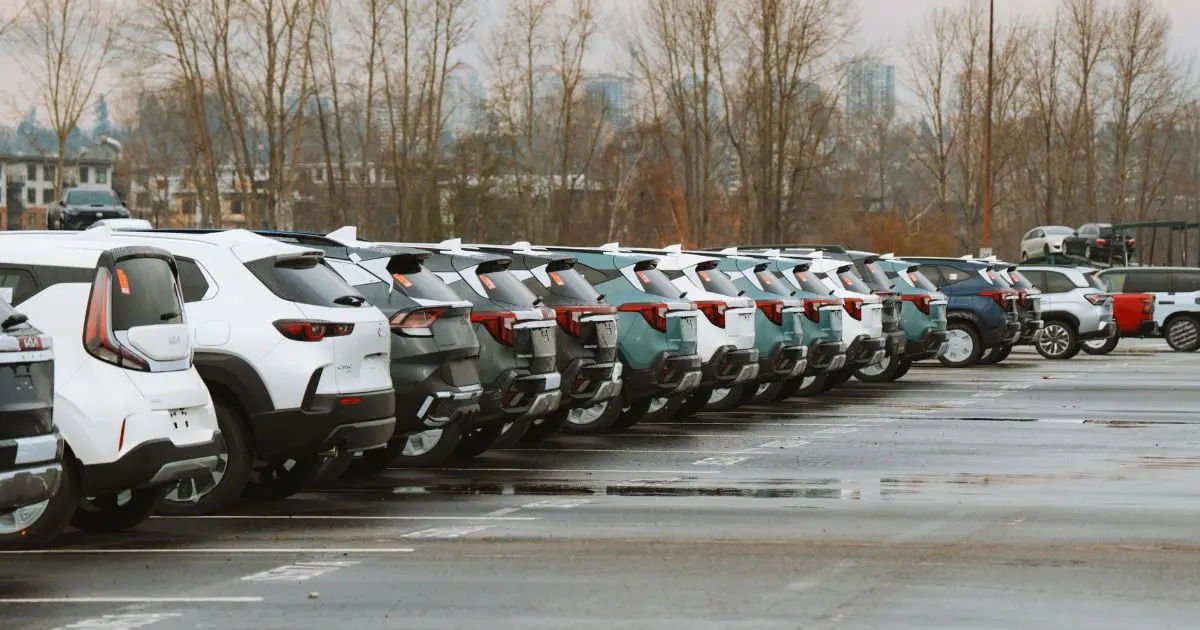
Modern cars are built to go much further. The average vehicle on American roads is now 12.8 years old, according to S&P Global Mobility.
So here’s the honest framework I use. For most mainstream cars, around 200,000 miles is the rough ceiling where big-ticket repairs start outrunning the car’s value.
But the number alone tells you almost nothing. A documented 150,000-mile Honda can be a better buy than a neglected 60,000-mile anything.
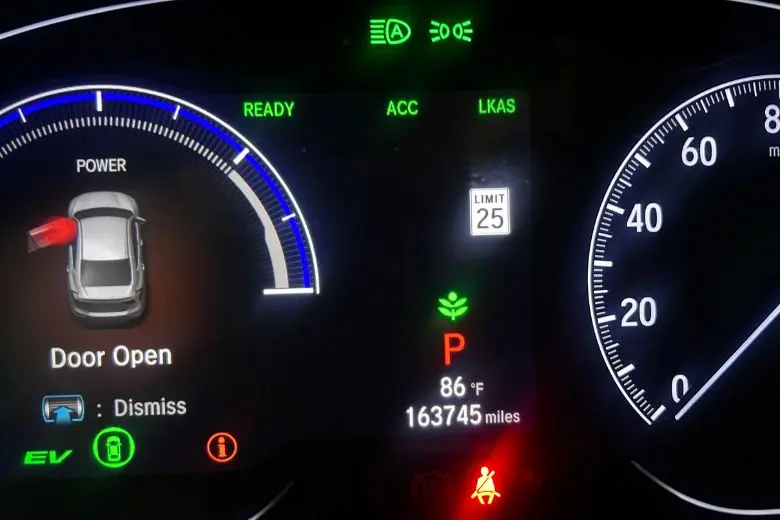
The mechanic’s mathThe Federal Highway Administration reported 10,787 average miles traveled per registered light-duty vehicle in 2024. Multiply the car’s age by about 10,800 for a rough baseline, then treat the result as context rather than proof of condition.
The math gives you a baseline, not a diagnosis. A 2019 car showing 95,000 miles in 2026 has averaged about 13,600 miles a year — above the FHWA light-duty benchmark, but still a use pattern that must be judged by its records and condition.
Is the Mileage Normal for the Age?
The FHWA’s 2024 light-duty benchmark works out to about 10,800 miles per registered vehicle per year. Multiply the car’s age by that number for context, but remember that normal mileage does not prove good maintenance and low mileage does not prove low risk.
To choose the range you should actually shop, use my guide to the best mileage for a used car. This page stays focused on the separate question of when mileage, repair risk, and the car’s value stop making sense.
How Can You Tell If the Miles Were Good or Bad?
This is the part nobody writing about mileage seems to do: actually read the car. So let me put two cars side by side, the way I see them at the shop.
Car one shows 180,000 miles and looks spotless — clean paint, straight panels, matching tires. Car two shows 80,000 miles with a zip-tied bumper, a missing door handle, and a steel-rim spare doing daily duty.
Now be honest. Do you think the owner of car two ever paid for an oil change on time?
If somebody won’t spend a hundred dollars on a door handle, they didn’t spend hundreds on a timing belt service.
The outside of a car is a maintenance confession. We’re not even talking timing belts or spark plugs yet — basic care shows before you ever open the hood.

Then you drive it, and the car tells you the rest. Vibration at highway speed in a straight line means worn or damaged components — tires, balance, or suspension.
A clicking or crackling sound on full-lock turns means tired CV axles. Grinding while braking means someone ignored the squeal stage and is now eating rotors.
A lumpy, uneven idle means the engine isn’t healthy, whatever the odometer claims. None of these tests needs a lift — just your ears and twenty minutes.
Also ask how the miles were earned. Highway miles age a car slower than city miles — fewer cold starts, fewer brake cycles, less transmission shifting per mile.
A single-owner highway commuter beats a fleet or rental car at the same mileage. Rentals get redlined cold by a hundred different strangers.
How Do You Check a Car’s Real Mileage?
First, understand that mileage fraud never went away. NHTSA estimates more than 450,000 vehicles are sold every year with false odometer readings.
In the mechanical odometer days, rolling one back took a drill and ten minutes. Every mechanic of my generation knew exactly how it was done.
Digital didn’t fix it — it just moved the crime to software. Cheap tools can reprogram a modern cluster through the diagnostic port.
But here’s what the scammers can’t reprogram: the metal. Wear arrives on a schedule, and it doesn’t lie.
If the wear, title, or seller story fights the odometer, compare it against these odometer and other used car red flags before you treat the mileage as real.
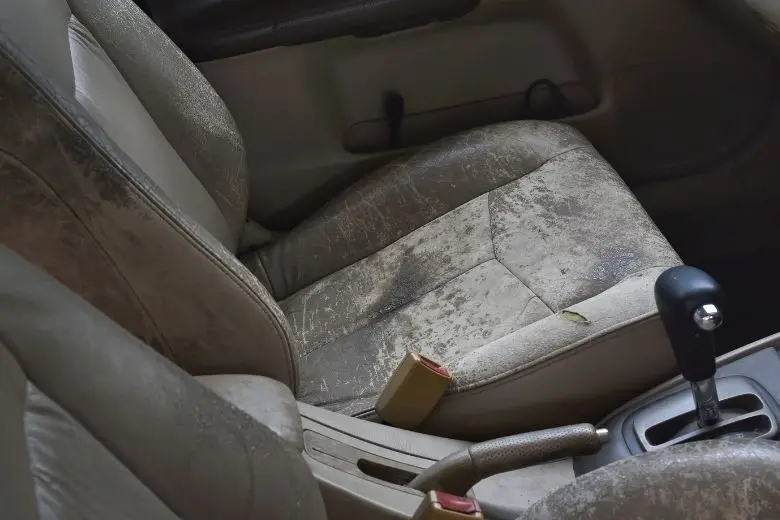
Check the brake pedal rubber, the steering wheel shine at nine and three, and the driver’s seat bolster. A chewed-up pedal on a claimed 60,000-mile car is a lie you can see.
The 10-second rollback checkPedal rubber, steering wheel, seat bolster, shift knob. If the wear says 150,000 and the odometer says 60,000, believe the wear.
Then check the paper trail. Pull a vehicle history report and check the mileage at every recorded title transfer — the numbers must only go up.
This matters even more when you’re buying a car from a private seller. There is no dealer title clerk checking the VIN, lien, and odometer story for you.
Gaps in service records are their own warning. A car that “skipped” three years of maintenance either sat dead or lived hard off the books.
One more trick from the shop: plug in an OBD2 scanner before money changes hands. A Bluetooth scan tool like the BlueDriver reads stored codes and freeze-frame data the seller may have cleared from the dash.
A freshly cleared computer on a “perfect” car tells you someone is hiding something. That’s a twenty-minute check that has saved my customers thousands.
When Is High Mileage Actually a Smart Buy?
Here’s the part of this business I genuinely enjoy: high-mileage cars are where the deals live. Someone else already paid the depreciation — the same logic that makes used electric cars drop in price so fast.
These are my green lights, in order. A thick folder of service records beats everything else on this list.
Then: single owner, highway commuting history, and big jobs already done — timing service, water pump, recent tires. Every receipt is money you won’t spend.
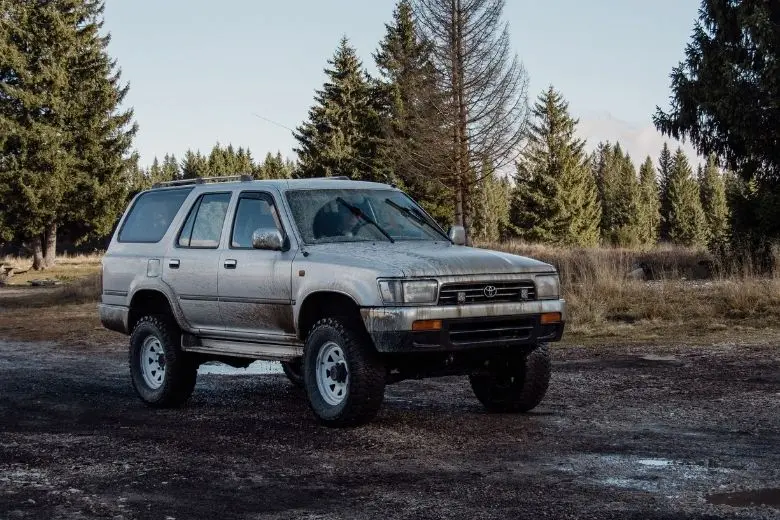
Brands matter too, and I’ll name mine: Honda, Toyota, Acura, and Lexus earn their high-mileage reputation. I’d take a documented 180,000-mile Camry over a mystery 80,000-mile anything.
Nissan hurts to write about. I’ve owned four of them and loved every one, but the brand’s reliability reputation has slid over the last decade.
When Should You Walk Away From a High-Mileage Car?
Some things end the conversation no matter how cheap the car is. No service records on a high-miler is the biggest one — you’d be buying a story with no evidence.
A transmission that slips, flares, or clunks between gears is a walk-away. So is sludge under the oil cap, deep rust on the frame or subframes, or panels that don’t quite match.
But here’s the trap nobody warns you about: the low-mileage walk-away. A neglected 60,000-mile example of an expensive brand scares me more than a clean 180,000-mile Corolla.
Alfa Romeo, Maserati, Jaguar, Land Rover — gorgeous machines, brutal to maintain on a third owner’s budget. A Maserati’s naturally aspirated V8 is one of the best sounds in the car world, and one of the priciest to keep singing.
BMW and Audi deserve a fair hearing here. In Europe those are normal cars; in America they’re maintained like exotics — fewer specialist shops, pricier parts, bigger labor bills.
So it’s usually not the engineering that fails. It’s the third owner who couldn’t afford the upkeep — and you’d be inheriting every corner they cut.
What Breaks at 60k, 100k, 150k, and 200k Miles?
Mileage isn’t scary in the abstract — it’s scary in repair bills. Here’s the wear map I quote customers, with national average costs.
| Mileage band | What’s typically due | National average cost |
|---|---|---|
| 30,000–60,000 | Brake pads, first tire set | $320–$379 per axle (RepairPal) |
| 60,000–100,000 | Timing belt (where fitted) | $882–$1,285 (RepairPal) |
| 60,000–100,000 | Water pump | $857–$1,106 (RepairPal) |
| 100,000–150,000 | Shocks or struts | $1,057–$1,260 (RepairPal) |
| 150,000–200,000+ | Transmission replacement (worst case) | ~$5,900–$6,400 (RepairPal) |
RepairPal lists timing belt service as due every 60,000 to 100,000 miles — skip it and a snapped belt can destroy the engine. Always ask whether it’s been done.
And here’s the real meaning of “too many miles.” A $6,000 transmission on a $7,000 car is the moment the odometer finally wins the argument.
Tires deserve a line too, since uneven wear exposes alignment and suspension problems. If the car needs a set, factor that in — our tire guide for comfort and noise covers what’s worth paying for.
Which Cars Actually Run Forever?
There’s real data on this. iSeeCars analyzed hundreds of millions of vehicles and found the average car has just a 4.8% chance of reaching 250,000 miles.
The outliers crush that average — and the list reads like my shop’s recommendation sheet.
| Vehicle | Chance of reaching 250,000 miles |
|---|---|
| Toyota Sequoia | 39.1% |
| Toyota 4Runner | 32.9% |
| Toyota Highlander Hybrid | 31.0% |
| Toyota Tundra | 30.0% |
| Lexus IS | 27.5% |
| Average vehicle | 4.8% |
Source: iSeeCars Longest-Lasting Cars study. Toyota holds 10 of the top 25 spots, with Honda second at five.
Notice what dominates: body-on-frame trucks and SUVs. That’s why “too many miles” runs higher for trucks — a 200,000-mile Tundra is mid-life, not end-of-life.
If a big family hauler is what you’re after, our best hybrid SUV with a third row picks lean on these same durable platforms.
Notice also what’s missing: European luxury. The engineering is impressive, but long-haul cheap durability is a different sport.
What Matters More Than the Odometer?
If I could hand every buyer one priority list, it’s this: check the car’s service history first. Regular oil changes on schedule predict longevity better than any mileage figure.
Owner count second. One careful owner for twelve years tells a cleaner story than five owners in six.
Then geography. Southern cars dodge road salt but bake in the sun — in Florida I see cooked interiors and tired batteries, not rust.
And before any money moves, pay for a pre-purchase inspection. An hour of a mechanic’s time is the cheapest insurance in the entire car business.
One footnote for EV shoppers: mileage still matters, but it cannot tell you the condition of the high-voltage battery by itself. When you’re buying a used electric car, use the strongest battery evidence that exact model supports — such as an OEM battery-health test where available, OEM or dealer records, controlled charging observations, or model-specific diagnostic tools — and judge that alongside the car’s mileage, service history, and overall condition. Our 15-listing used EV sample under $20,000 shows the spread in practice: from 9,473 miles on a Bolt EUV to 130,462 on a Model 3 under the same price ceiling.
FAQ: Used Car Mileage Questions, Answered Straight
Is 100,000 miles too many for a used car?
Not anymore — that cutoff belongs to the carburetor era. A documented, well-maintained 100,000-mile car often has half its life left. Judge the maintenance records and condition, not the six-figure odometer.
What’s considered high mileage for a used car?
The FHWA reported 10,787 miles per registered light-duty vehicle in 2024. A five-year-old car at 70,000 miles has averaged 14,000 miles a year, about 30% above that benchmark. That makes it above average, not automatically abused or unreliable.
Which matters more — age or mileage?
Maintenance beats both, but between the two, condition follows use more than calendar years. An older highway car with records usually beats a newer neglected one. Rubber, seals, and fluids do age out, so a very old low-mile car needs its own inspection.
Is 200,000 miles bad for a used car?
It’s the rough ceiling where major repairs start outrunning the car’s value. A 200,000-mile Toyota truck with records can still be a fair buy at the right price. The same mileage on a luxury European sedan is usually a money pit.
How can you tell if an odometer has been rolled back?
Match the wear to the number: pedal rubber, steering wheel shine, and seat bolsters wear on a schedule. Then check the title and history report — recorded mileage must only ever increase. NHTSA says over 450,000 rolled-back vehicles still sell every year, so check both.
How many miles is too many for a used truck?
Body-on-frame trucks stretch the ceiling well past 200,000 miles. iSeeCars data shows the Tundra and Sequoia are among the most likely vehicles to reach 250,000. Frame rust and transmission health matter more than the odometer on a truck.
Are highway miles better than city miles?
Yes, significantly. Highway driving means fewer cold starts, fewer brake cycles, and less shifting per mile. A 120,000-mile highway commuter is often mechanically younger than an 80,000-mile city car.
How much should you pay for a high-mileage car?
Price the car as its mileage band, then subtract every big job that’s coming due. If the timing service or tires haven’t been done, that money comes off your offer. My guide on how to negotiate a used car price shows how to turn those repair findings into a real number.
Bottom line from the shop floor: stop shopping the odometer and start shopping the owner. The miles don’t kill cars — neglect kills cars, and now you know how to spot it.
More honest used car buying advice is coming in this series. Start with the full used car inspection walkaround — exactly what to check, cold to hot, before you hand over a dime.