Quick Answer: Before buying a used car, check it cold first, then inspect the body, tires, interior wear, fluids, underbody, lights, scanner data, paperwork, and test-drive behavior. The simple rule is this: the wear, mileage, records, and seller’s story all have to match — and if they do not, slow down or walk.
Last updated: August 5, 2026
Used car advice is usually written like a grocery list. Check paint, check tires, check fluids, blah blah, congratulations, you are now a certified parking-lot inspector.
That is not how I look at a car. I walk it in order, because a bad car usually starts talking before the seller does.
This is the used-car inspection order I would use in the lot, whether you are buying from a dealer, a private seller, or some guy on Facebook Marketplace with seven blurry photos and “runs great” in the ad.
This is part of the SpotForCars Buying Advice section — the walkaround I would do before driving across town to look at a car somebody found online.
Want the parking-lot version? Download the free used car inspection checklist and keep it on your phone while you look at the car.
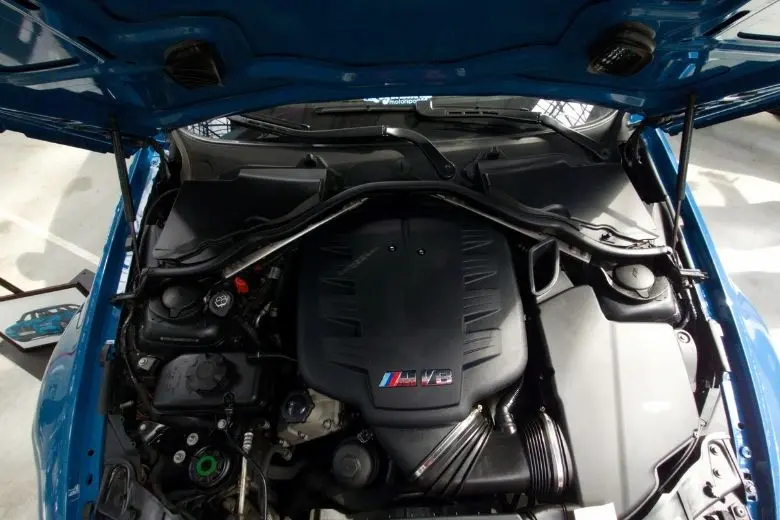
A cold engine bay tells you more than a warm car that was moved five minutes before you arrived.
- Why should you inspect a used car cold before buying?
- What should you check around a used car before it starts?
- How should you inspect interior wear and mileage on a used car?
- What should you check under the hood before buying a used car?
- What should you listen for when starting a used car?
- What should you check underneath a used car?
- What should you feel on a used car test drive?
- Why should you check every light before buying a used car?
- How can an OBD2 scanner help check a used car?
- What paperwork should you check before buying a used car?
- Should you get a pre-purchase inspection before buying a used car?
- How do you use used car inspection problems to negotiate?
- What used car red flags mean you should walk away?
- What is the printable used car inspection checklist?
- What used car buying questions come up most often?
Why should you inspect a used car cold before buying?
The first thing I want is simple: I want the engine cold. A warm engine can hide cold-start rattle, smoke, weak battery behavior, rough idle, oil-pressure noise, and the timing-chain clatter nobody wants to hear after the paperwork is signed.
If I show up and the car is already warm, my guard goes up. Maybe the seller just moved it, but maybe they warmed it up because the first ten seconds sound like a bucket of bolts in a dryer.
Consumer Reports gives similar advice: inspect in daylight, on dry ground, and ask the seller not to drive the car for at least an hour before inspection. That is not picky; that is how you keep the car from getting dressed up for the date.
Mechanic rule: a cold start is not just about the engine. It is also a seller honesty test, because a car that starts ugly cold usually costs real money later.
What should you check around a used car before it starts?
Before the key turns, I look at how the car sits. One low corner, weird tire wear, or mismatched tires can point to suspension work, accident damage, or an owner who fixed problems with the cheapest option possible.
Walk the body slowly. Look for uneven panel gaps, different paint shade, overspray, missing clips, fresh undercoating, mismatched headlights, and tool marks on bolts.
Open every door, the hood, the trunk, and the fuel door. A clean car should feel consistent; a sketchy one usually has one door that closes weird, one panel that looks too fresh, and one little clue the seller hopes you skip.
Check the tires from the outside and the inside edge. If the lot-side tread looks good but the inner shoulder is chewed up, you may be looking at alignment, suspension, or accident issues hiding under a shiny wash job.
For a deeper tire-buying angle later, my guide to the best tires for comfort and noise can help. Here, the tire is mostly a clue about how the car was treated.
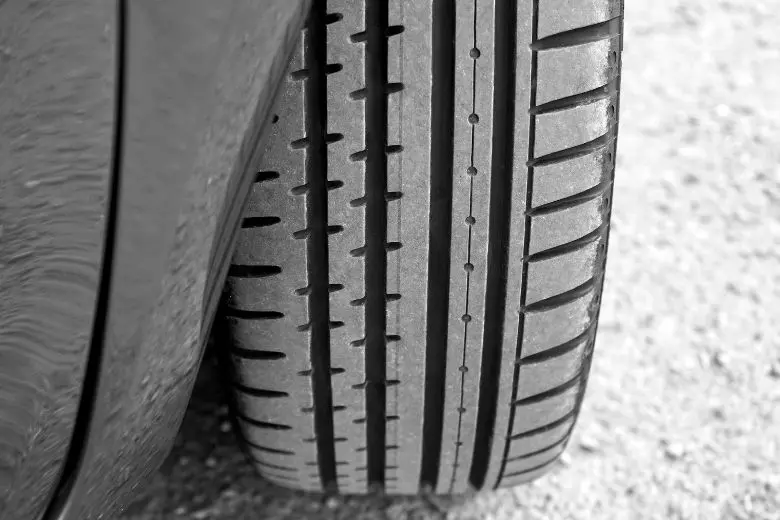
Panel gaps, tire wear, and mismatched lights can tell you the car’s story before the seller does.
How should you inspect interior wear and mileage on a used car?
Inside the car, I compare the odometer to the wear. Seat bolsters, pedals, steering wheel, shifter, buttons, and armrests should tell the same story as the miles.
If the car says 62,000 miles but the driver seat looks like it worked airport duty for ten years, I stop trusting the story. I do not call the seller a liar; I let the car make the speech.
This matters because odometer fraud is not some movie scam from the 1980s. NHTSA estimates that more than 450,000 vehicles are sold each year with false odometer readings.
NHTSA also tells buyers to compare mileage against maintenance records, inspection records, tire condition, and pedal wear. That lines up with my rule: mileage alone means nothing if the rest of the car disagrees.
I also do the smell test. Musty carpet, heavy air freshener, smoke, coolant smell, wet trunk, or burnt oil smell all tell you something, and none of it is “this car was loved by grandma.”
For the bigger mileage decision, use my guide to the best mileage range to shop for, then use how many miles is too many on a used car to judge the upper-risk limit. If you are shopping electric on a hard budget, our used EVs under $20,000 comparison shows what different mileage levels actually bought across five model families before you start inspecting individual cars. This inspection is where you decide whether those miles were honest miles or punishment miles.
What should you check under the hood before buying a used car?
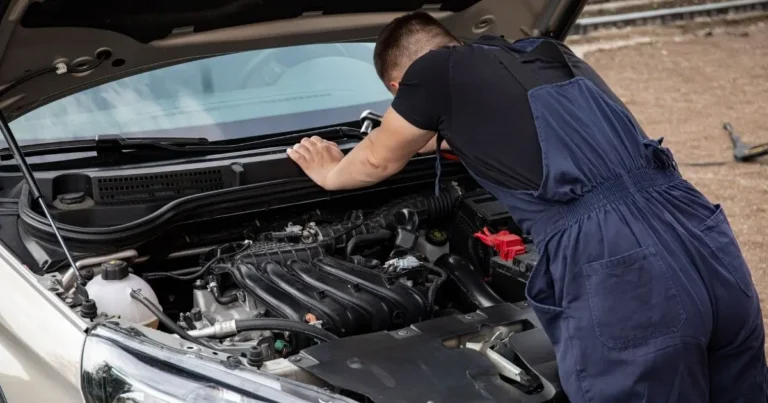
Open the hood before starting the engine. I look for low coolant, crust around the reservoir, oil leaks, loose battery terminals, missing clips, cheap wiring repairs, and zip ties doing a bracket’s job.
A clean engine bay is nice, but a freshly steam-cleaned one can be suspicious. Sometimes it means pride; sometimes it means somebody washed away the evidence five minutes before you pulled in.
Pull the oil dipstick and look at level and condition. Then check under the oil cap for the famous milkshake look: creamy sludge, water droplets, or gray foam can point toward serious engine trouble.
Look at the coolant too. Clean coolant is one thing, but rusty, milky, or oily coolant is a bad conversation before the car even starts.
Do not diagnose the whole car in two minutes. You are looking for care, neglect, and signs that somebody was chasing a problem instead of fixing it.
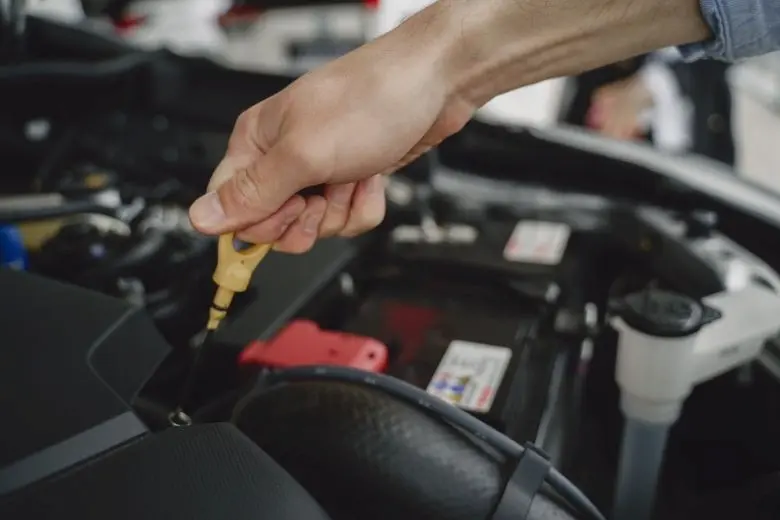
Oil, coolant, crust, and cheap wiring repairs are boring until they save you from buying a problem.
What should you listen for when starting a used car?
Now start it with the hood open. The first two seconds matter because chain rattle, knocking, lifter noise, belt squeal, smoke, and a weak crank often show up right away.
Do not rev it like a clown at a gas station meet. Let it idle and listen like you actually care about your wallet.
A healthy idle should settle down cleanly. A hunting idle, misfire, vacuum hiss, loud mechanical tick, early cooling-fan panic, or smoke from the exhaust deserves attention.
If it is an automatic, watch the engine when shifting from park to drive and reverse while holding the brake. A little movement is normal, but a big jump or clunk can point to bad mounts or drivetrain slop.
What should you check underneath a used car?
Get low and look underneath, even if it means your jeans lose the fashion show. I am looking for oil leaks, transmission leaks, coolant trails, torn axle boots, wet shocks, rusty structure, loose exhaust, and crushed jack points.
Fresh black spray under a car can be normal protection, but it can also be makeup over rust. If it looks like somebody painted the bottom yesterday, ask why.
Look at the frame rails, floor areas, pinch welds, suspension arms, and underbody seams. Surface rust is one thing; flaking metal, fresh welds, bent structure, or kinked floor sections are another game.
If you see inner tire wear from underneath, do not ignore it. A car can look perfect from the side the seller parked toward you, then show its real problem on the inner shoulder.

The underside is where shiny used cars stop pretending.
What should you feel on a used car test drive?
Start slow. A bad car often talks at 10 mph through the first shift, first brake stop, first turn, or first bump leaving the lot.
Turn the radio off. You are not there to test the bass; you are there to hear clunks, humming wheel bearings, brake pulsation, steering pull, transmission delay, and vibration under load.
Drive it cold, warm, slow, faster, turning left, turning right, braking lightly, braking harder when safe, and cruising steady. For the full moving-car sequence, use my used car test drive checklist before you talk numbers.
In Florida, I always check the AC hard. I also check the heat, because a heater core or blend-door problem can still cost money even if we use heat about twelve minutes a year down here.
After the drive, let it idle again and look underneath one more time. Some leaks only show when the engine is hot and pressure has built up.
Why should you check every light before buying a used car?
Turn on every light: low beams, high beams, daytime running lights, turn signals, brake lights, reverse lights, fog lights, plate lights, mirror signals, and interior lights. Many guides say to check lights, and they are right, but the expensive part is what most buyers miss.
On older cars, a bad bulb was usually annoying. On newer cars, a weak or discolored LED daytime running light can be part of a sealed headlamp assembly.
I saw that exact problem while helping someone inspect a 2022 Cadillac CT5-V. The daytime running lights were discolored and starting to go, and on that car the daytime running light is built into the headlight assembly.
That was not a “we will grab a bulb at the parts store” problem. A GM OEM passenger-side CT5 headlamp assembly, part 84894828, is listed with an MSRP of $1,228.65.
So we made the dealer replace both headlights as a written condition of the sale. Not “yeah, we’ll take care of it, buddy,” because that sentence disappears faster than free donuts in a service department.
The repair was done within the week because it was on paper. That is the lesson: expensive defects help you only when you spot them before signing.
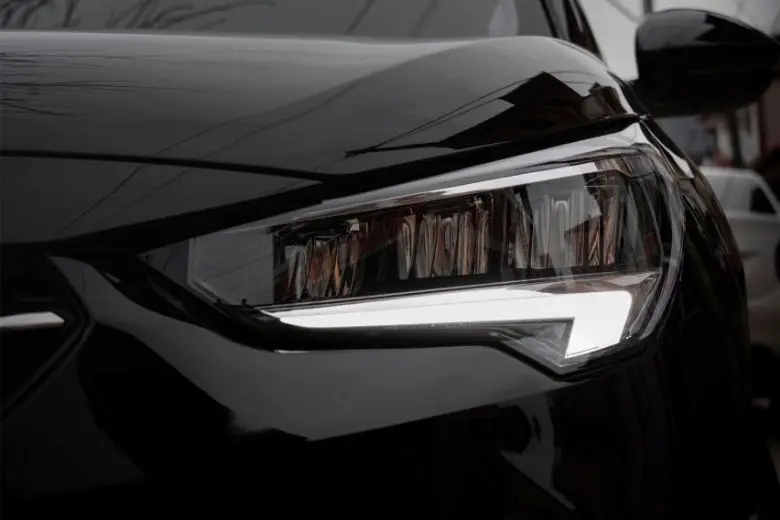
A fading LED daytime running light can be a sealed headlight assembly, not a five-minute bulb swap.
How can an OBD2 scanner help check a used car?
A basic OBD2 scan is not magic, but it gives you another angle. I want to see stored codes, pending codes, warning-light behavior, and monitor readiness.
The sneaky part is when the check-engine light is off, but monitors are not ready. That can happen after a battery disconnect, recent repair, or someone clearing codes, so it is not proof by itself, but it is a big question.
Think of it like the warm-engine trick in electronic form. If the seller says everything is fine and the scanner says the computer has not finished its tests yet, I am not buying the happy story without more checking.
This is also why you turn the key on before starting the engine. The check-engine, ABS, and airbag lights should come on for the bulb check, then go out after startup if the systems are happy.
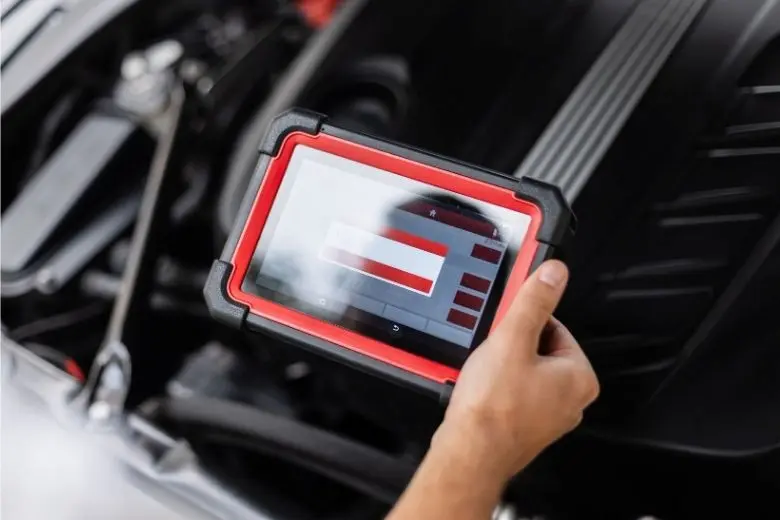
A scanner will not tell you everything, but it can catch a story that was cleared yesterday.
This post contains affiliate links. If you buy through them, I may earn a small commission — at no extra cost to you.
You do not need anything fancy for this step. A basic reader like the ANCEL AD310 OBD2 scanner can read codes and monitor status on most 1996-or-newer vehicles.
What paperwork should you check before buying a used car?
Paperwork matters, but paperwork is not holy. A clean history report is useful, but it does not replace your eyes, your test drive, or a real inspection.
Use the VIN to check title status, accident history, ownership history, service records, mileage records, and open recalls. NHTSA’s recall lookup lets buyers search vehicles, car seats, tires, and equipment for safety recalls.
The FTC says a vehicle history report is not a substitute for an independent vehicle inspection. That is the polite government way of saying Carfax does not hear a timing chain rattle.
This matters even more when you’re buying from a private seller. There is no dealer title clerk checking the VIN, lien, payment, and paperwork for you.
Ask for service records and compare them to the mileage. Reading a car’s service history helps you separate normal gaps from fake confidence, missing maintenance, and a seller who “doesn’t know” too much.
Research the exact model too. If you are looking at a used Jetta, start with known issues like the ones in my 2019 Volkswagen Jetta problems guide before you drive across town.
If the car is electric, this normal used-car inspection is still the foundation — but you also need an EV-specific verification layer. My used EV buying guide shows how to verify the strongest battery evidence the exact model supports, confirm warranty and battery-replacement history, check charging compatibility against your real use, and escalate unresolved high-voltage, battery, thermal, or charging concerns to an EV-capable specialist or OEM service path.
Should you get a pre-purchase inspection before buying a used car?
Yes, especially if the car passes your first inspection. A pre-purchase inspection, or PPI, is the part where a shop gets it on a lift and looks where the parking lot cannot.
Consumer Reports says a thorough diagnosis should cost around $100 to $150, and the written report can be used when negotiating with the seller. That is cheap compared with buying a car that needs a transmission, engine, or structural repair.
The FTC also says an independent mechanical inspection is a good idea even if the used car is certified, inspected by the dealer, or sold with a warranty. If the seller refuses any independent inspection, that refusal is part of the inspection.
If they will not allow a PPI, I walk. Good cars do not need to hide from a lift.
How do you use used car inspection problems to negotiate?
Inspection problems give you three choices: money off, written repair before sale, or walk away. My full guide on how to negotiate a used car price shows how to turn those findings into price leverage.
The trick is knowing which problem belongs in which bucket.
A tire issue, weak battery, dead key fob, or fading LED light might be a price discussion. Frame damage, flood signs, heavy rust, coolant in the oil, or serious transmission behavior is usually a walk-away problem.
The important part is getting promises in writing. The FTC tells buyers to get all promises in writing and warns that spoken promises are difficult to enforce.
That is why the CT5-V headlights went on paper. If it is not written, signed, and attached to the deal, it is just dealership campfire smoke.
Also be realistic. A dealer may fix a four-figure light assembly on a slow-moving Cadillac, but tell you to pound sand on a clean Corolla with five people waiting.
What used car red flags mean you should walk away?
Walk away when the story keeps changing. One small issue is normal; a pattern is the problem.
For the full decision filter, use my used car red flags guide to sort problems into negotiate, inspect, or walk away.
I walk for frame damage, flood smell, major rust, title weirdness, missing airbags, serious overheating signs, heavy smoke, coolant-oil mixing, transmission slip, or a seller who blocks inspection. I also walk when the car feels like it was cleaned better than it was maintained.
The silent killer in a used car is neglect. Not one dramatic failure, but years of late oil changes, ignored leaks, old coolant, cheap tires, and little repairs done with zip ties and hope.
A neglected car can still look shiny under dealer lights. That is why you inspect the story, not just the paint.
What is the printable used car inspection checklist?
Use this in order. Do not start with the test drive, because by then you may already be emotionally buying the car.
Parking-lot tip: Open the PDF checklist before you meet the seller. Once you are standing next to the car, your brain gets excited and starts ignoring red flags like a golden retriever at a steakhouse.
- Before you go: ask if the car will be cold, confirm VIN, title status, service records, and recall status.
- First look: check stance, ride height, tire match, tire date, outer wear, inner wear, and wheel damage.
- Body walk: check paint match, panel gaps, overspray, door jambs, hood bolts, trunk seams, and fresh undercoating.
- Open everything: doors, hood, trunk, fuel door, glove box, center console, sunroof, and spare-tire area.
- Interior wear: compare pedals, wheel, seat bolster, shifter, buttons, and armrest against the odometer.
- Smell test: check for mold, smoke, coolant, fuel, burnt oil, heavy air freshener, and wet carpet.
- Under hood cold: inspect oil, coolant, leaks, crust, battery terminals, missing clips, wiring, hoses, and belts.
- Cold start: listen for rattle, knock, lifter noise, belt noise, misfire, rough idle, smoke, and weak crank.
- Running check: watch idle quality, fan behavior, engine movement in gear, exhaust leaks, and warning lights.
- Underneath: check leaks, rust, pinch welds, jack points, axle boots, bushings, shocks, exhaust, and fresh black spray.
- Test drive: feel steering, braking, shifting, vibration, clunks, bearing hum, AC, heat, and highway behavior.
- After drive: let it idle, smell again, check for hot leaks, and look underneath one more time.
- Lights: test daytime running lights, high beams, low beams, turns, brake lights, reverse lights, fog lights, mirror signals, and moisture.
- Scanner: check stored codes, pending codes, warning-light behavior, and monitor readiness.
- Paperwork: verify VIN, title, recalls, service records, mileage records, history report, and written promises.
- Final move: get a PPI, ask for money off, get repairs written, or walk.
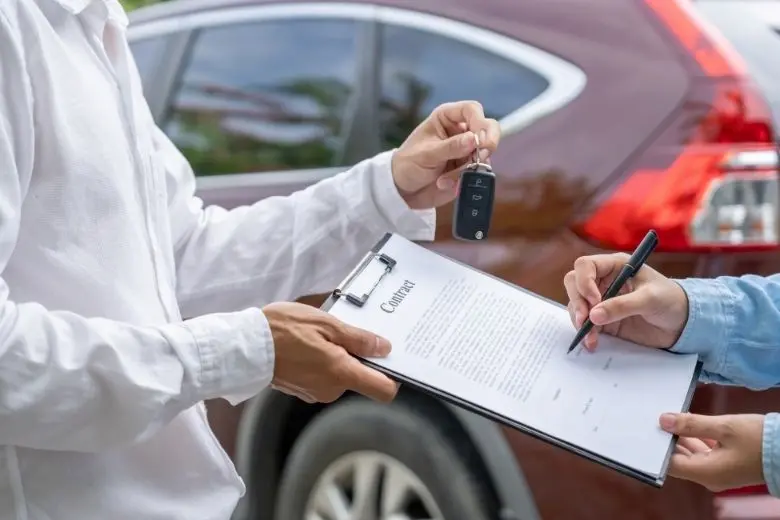
The checklist is not there to make you feel busy. It is there to stop you from falling in love with a problem.
What used car buying questions come up most often?
What should I check first when buying a used car?
Check that the car is cold before it starts. A cold engine shows problems that a warm engine can hide, including smoke, rough idle, chain rattle, weak battery behavior, and ugly startup noises.
What are the biggest red flags when buying a used car?
The biggest red flags are frame damage, flood smell, title problems, major rust, overheating signs, transmission slip, missing service history, and a seller who refuses an independent inspection. One small issue is normal; a pattern is what gets expensive.
What is the silent killer in a used car?
The silent killer is neglect. Late oil changes, ignored leaks, old coolant, cheap tires, and small repairs done badly can destroy a car slowly while it still looks fine in photos.
Can I inspect a used car myself, or do I need a mechanic?
You can catch a lot yourself in the parking lot, especially body damage, worn tires, leaks, bad smells, warning lights, and test-drive problems. Still, a good car should get a pre-purchase inspection before you sign.
How much does a pre-purchase inspection cost?
Consumer Reports says a thorough diagnosis should cost around $100 to $150, but you should ask the shop first. That money is small compared with buying someone else’s hidden engine or transmission problem.
What should I look for under the hood?
Look for oil leaks, coolant crust, low fluids, loose battery terminals, cracked hoses, missing clips, cheap wiring repairs, and milky oil under the cap. You are not just checking fluids; you are checking how the car was treated.
Why does it matter if the engine is already warm when I arrive?
A warm engine can hide cold-start problems. It does not automatically mean the seller is shady, but it means you missed one of the best moments to judge the car.
Are the lights really worth checking on a newer used car?
Yes. On some newer cars, a weak LED daytime running light or taillight is part of a sealed assembly, not a cheap bulb, and the repair can be ugly.
Does it change if I am buying from a dealer versus a private seller?
The inspection order stays the same. The paperwork and bargaining change, because dealer promises need to be written into the deal and private sellers usually offer less backup after the sale.
What paperwork should I check before buying a used car?
Check the title, VIN, recall status, vehicle history report, service records, odometer records, and any promises from the seller. If a repair promise matters to the deal, get it in writing before you sign.