
Buying a car from a private seller can save real money, but only if you prove it out before paying. Run the VIN, confirm the title matches the seller’s ID, check for a lien, and get your own inspection.
The seller’s story is not proof — the car, the paperwork, and the test drive are. Pay with a verified method, get a bill of sale, and check your state’s insurance and registration rules first.
Last updated: August 5, 2026
A private seller can almost always beat a dealer on price. There is no lot rent, no salesperson, no finance office padding the deal.
But that lower price comes with a catch. At a dealership, some process exists between you and a bad car — at a private sale, you are the process.
You become the inspector, the title clerk, the fraud filter, and the payment-safety person all at once. I’ve spent 25 years under cars: I would not buy privately unless the deal made real sense.

Match the VIN on the car to the title before you discuss payment.
- Is buying from a private seller worth it?
- How it’s different from a dealer
- What to check and ask before you meet
- Title, VIN, seller ID, and lien
- How to inspect and test drive
- Should you pay extra for the seller’s mods?
- How to pay safely
- Buying with a loan
- Paperwork and driving it home
- How to negotiate with a private seller
- Run your deal through a safety check
- When to walk away
- What to do after you buy
- FAQ
Is Buying a Car From a Private Seller Worth It?
It can be — if the discount is real and the car checks out. A private seller usually has a reason to sell, so the price is often easier to move than at a dealer.
The trade-off is protection. The FTC notes the average used car now runs close to $28,000, so this is real money on the line. (FTC)
Buy from a dealer and you get a required Buyer’s Guide showing whether the car is sold as-is or with a warranty. Buy private and you usually get far fewer disclosures and far less recourse after the money changes hands.
A private seller may give you a better price, but now the risk is sitting in your lap. The savings only count if the car, title, and paperwork all survive a careful look.
How Is Buying From a Private Seller Different From a Dealer?
A dealer is not perfect, but a licensed business must provide required disclosures and maintain a paper trail. That does not guarantee the car was reconditioned properly or is mechanically sound.
A private seller owes you far less. Florida says it plainly: there’s no Lemon Law for used cars, and a private buyer gives up a dealer’s protections. (FLHSMV)
That is not a reason to avoid private sales. It is a reason to do the verification yourself instead of assuming somebody else already did it.
| What you’re handling | Dealer sale | Private sale |
|---|---|---|
| Price flexibility | Limited by overhead | Often more room |
| Required disclosures | Buyers Guide showing as-is or warranty status | Far fewer required disclosures |
| Title and paperwork | Dealer usually processes it | You handle it |
| Mechanical condition | Never assume — get your own inspection | Entirely on you |
| Recourse if it breaks | Depends on the warranty, sale terms, and state law | Usually very limited |
So the question is not simply “dealer or private.” It is whether you are willing to replace the dealer’s paperwork and verification process with your own.
What Should You Check and Ask Before You Meet the Seller?
Most of your protection happens before you ever shake a hand. Start by pricing the exact car so you know what a fair number looks like.
Then pull a vehicle history report using the VIN. The FTC points buyers to vehiclehistory.gov, the federal NMVTIS system, for title, salvage, and odometer records.
NMVTIS is the only publicly available system to which states, insurance carriers, auto recyclers, junk yards, and salvage yards are required under federal law to report key title and total-loss information. (DOJ NMVTIS)
Use the DOJ’s approved provider list, enter the VIN, and pay the provider’s current fee. Carfax and Experian are listed as commercial-only NMVTIS providers, so consumers must choose a provider approved for public access.
While you have the VIN, run it through NHTSA’s free recall lookup too. An open recall won’t always kill a deal, but it changes your risk and your next question.
What should you ask before you drive out there?
A few phone questions can kill a bad deal before you waste the trip. Confirm the seller owns the car, the title is available, any lien has a payoff plan, and an independent inspection is allowed.
Use our full guide to the questions to ask when buying a used car for the exact phone script — and how to read the seller’s answers before you agree to meet.
The seller’s story is not proof
Every honest answer should have something backing it up. A good story is nice, but the car and the paperwork have to agree with it.
| Seller says | What actually proves it |
|---|---|
| “Always maintained.” | Receipts, clean fluids, matching wear, nothing overdue |
| “No accidents.” | History report, even panel gaps, consistent paint, no overspray |
| “Miles are original.” | Title and record mileage, tire age, pedal and seat wear |
| “Title’s clean.” | Title in hand, seller ID match, no surprise brand, no open lien |

The seller’s story is useful, but the title, VIN, records, and bill of sale are what protect you.
How Do You Check the Title, VIN, Seller ID, and Lien?
This is the part people skip, and it’s the part that ends in a stolen-money story. Do it in order, in person, before you talk price.
First, the VIN on the dash must match the VIN on the title. Florida’s buyer guide says to confirm that match and look for an etched VIN on the glass. (FLHSMV)
Second, in a normal private sale, the name on the title should match the seller’s photo ID. Legitimate exceptions — such as an estate or power of attorney — require proper legal paperwork, not a driveway explanation.
The lien is the one that bites
If the car still has a loan, the lender holds the title — not the seller. You cannot get a clean title until that lien is paid off and released.
The safe move is to meet at the lender’s bank and pay the payoff directly, balance to the seller. Many states won’t clear a title while a lien is open, so never trust a stranger to handle it.
Check the odometer story
NHTSA estimates more than 450,000 vehicles are sold each year with false odometer readings, costing buyers over $1 billion. (NHTSA)
Compare the title mileage to the dash, then to the service records. If the wear on the pedals, seat, tires, and controls does not fit the claimed mileage, stop and verify the history before buying.
How Should You Inspect and Test Drive the Car?
A history report tells you the paperwork past. It does not tell you the mechanical present.
The FTC is blunt about this: a report may list accidents and flood damage, but it will not list mechanical problems. That is why an independent inspection still matters. (FTC)
Ask the seller not to warm the car up before you arrive. A cold start can expose knocks, smoke, rough idle, and other problems that a warmed-up engine may hide.

Test every switch, warning light, screen, window, mirror, and climate-control function before buying privately.
For the full walkaround, use our used car inspection checklist — fluids, frame, panel gaps, and tires. Then use the used car test drive checklist before you talk numbers, because there is no service writer to hide behind in a private sale.
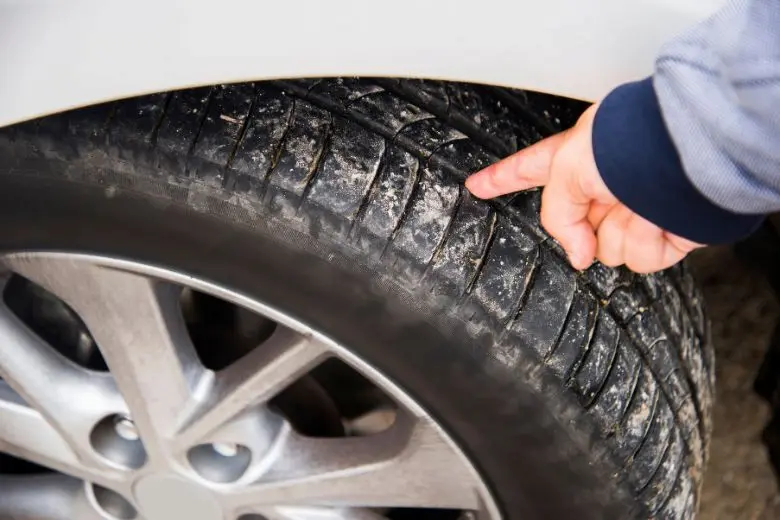
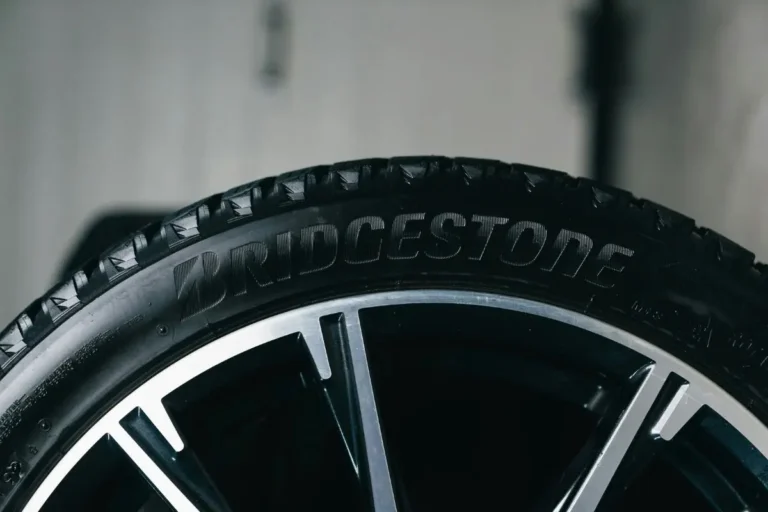
Tire wear can back up the seller’s story — or expose it.
A basic OBD2 scanner won’t replace a mechanic, but it shows stored codes and pending codes before you negotiate. A cleared-just-before-you-arrived car is worth a hard question.
Best protection of all: pay your own mechanic for a pre-purchase inspection. If the seller will not allow the car off-site, offer a mobile inspector or another reasonable arrangement. Refusal of every independent-inspection option is your answer.
Should You Pay Extra for a Seller’s Mods?
This is where private sellers and I disagree the most. Somebody spent money on wheels, tint, a tune, an exhaust, lights, or a lift — and now they want you to pay it back.
Here is the mechanic’s truth: a dealer would give them almost nothing for that stuff on trade-in. Modifications are personal taste, and taste does not carry resale value.
Worse, some mods cost you later. A tune can stress a drivetrain, cheap coilovers wreck ride and tires, and aftermarket wiring is a fire and gremlin factory.
You are buying a car, not somebody’s hobby. Pay for the vehicle’s real condition and value — let the seller keep the receipts for the parts you didn’t ask for.
If a mod genuinely helps — fresh tires, a recent timing belt, a quality battery — that is maintenance, and it has value. The line is simple: maintenance counts, decoration doesn’t.
How Do You Pay a Private Seller Safely?
Once the car checks out, the money step is where good deals still go wrong. Kelley Blue Book’s payment guidance lines up with how I’d handle it.
For a high-dollar car or a total stranger, use an escrow service or an in-branch bank transfer. For mid-dollar deals, a cashier’s check verified at the issuing bank works. (KBB)

For a private-party deal, verified funds and a clean paper trail matter more than speed.
Meet inside the bank lobby or at a police safe-exchange spot, in daylight. Cashier’s checks can be counterfeit, so confirm the funds are real at the bank that issued them.
Do not sign over the title or hand over keys until the money is confirmed and settled. Get a signed bill of sale and a receipt for both sides.
Apps like Zelle, Venmo, and PayPal have transfer caps that make them clumsy for a full car payment. They can work for a deposit, but they are not the whole answer for a $20,000 car.
How Do You Buy a Private-Party Car With a Loan?
You don’t have to pay cash. Plenty of banks and credit unions offer a private-party auto loan, and lining one up early makes you a serious buyer.
These are different from dealer financing. The lender usually wants the VIN, seller info, title status, payoff details, and bill of sale before releasing funds.
Get pre-approved before you agree on the car, not after. That way you know your real budget, and the money is ready when the deal is.
If there’s a lien on the car, your lender can often pay the seller’s lender directly. That keeps you out of the messy middle and gets you a clean title faster.
What Paperwork Do You Need, and Can You Drive It Home?
The basic stack is the same most places: a signed title, a bill of sale, and an insurance-and-registration plan. The exact steps, though, vary by state.
You do not just hand over money, grab the keys, and drive off legal. In many states the seller’s plate stays with the seller, so your new car has no tag on it.
Florida is a clean example of how local it gets. There the plate stays with the seller, and the buyer settles title, tax, and tag fees at a service center. (FLHSMV)
Buying in Florida but titling the car in another state? FLHSMV says you can buy a 30-day temporary tag to legally drive it there.
Most states also require proof of insurance in your name before they’ll register it. Do not assume your state works like Florida — check your own DMV, BMV, or tag office before you buy.
Confirm three things: insurance active in your name, a legal way to display a plate, and the title properly signed. Skip one and a simple traffic stop becomes a bad afternoon.
How Do You Negotiate With a Private Seller?
A private seller’s price is rarely their floor. They picked a number, and life — a move, a baby, a new car already bought — is usually pushing them to sell.
Your power here is what you found, not what you feel. A worn tire set, a leaking seal, or a code on the scanner are real dollars you can name out loud.
The full playbook lives in our guide on how to negotiate a used car price. The short version: stay friendly, anchor to the car’s actual condition, and be ready to walk.
One more anchor is mileage. Use my guide to the best mileage range to shop for to judge what the odometer should buy at that age and price, then use how many miles is too many on a used car as the upper-risk gut check.
How Safe Is Your Private Seller Deal?
Answer these honestly before you pay. The checker doesn’t store anything — it just sorts your deal into go, slow down, or walk.
Private Seller Deal Safety Checker
When Should You Walk Away From a Private Seller Car Deal?
Some signals aren’t about the car at all — they’re about the person. Trust them, because they almost always pay off.
Walk away if the title isn’t there, isn’t in the seller’s name, or shows a lien nobody mentioned. Paperwork problems become your problems the second you pay.
Walk away if the seller refuses an inspection, rushes the money, or won’t meet at a bank. A clean deal has nothing to hide and no reason to hurry.
Before you commit, run the car through these used car red flags to spot before you buy so title problems, flood clues, and inspection refusals do not slip past you.
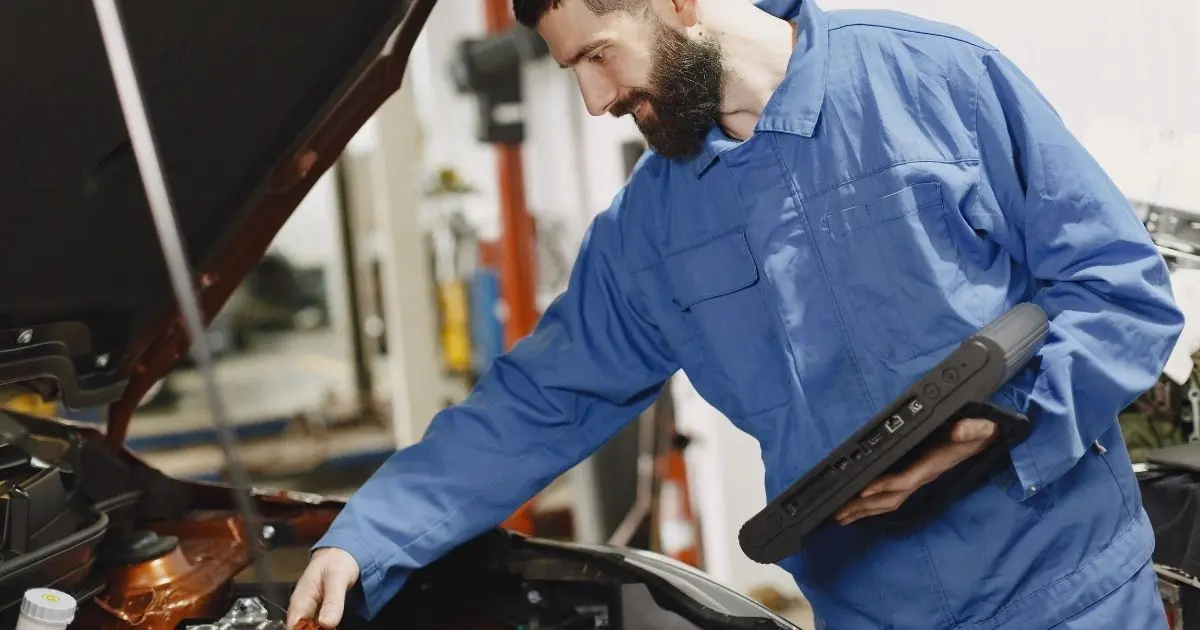
A pre-purchase inspection is cheap compared with buying someone else’s hidden problem.
And walk away when the car’s wear fights its story. Twenty-five years under hoods taught me one thing: a neglected car shows it, and a rushed seller is hoping you won’t look.
What Should You Do After Buying From a Private Seller?
The deal isn’t done when the keys change hands. Get insurance active, transfer the title, and register the car within your state’s deadline.
Keep copies of everything — title, bill of sale, and any payoff paperwork. Do not leave the only record in the glovebox and trust future-you to stay organized.
If the service records were thin, book a catch-up service right away. Fresh oil, fluids, and a brake and tire check are cheaper than learning about neglect on the shoulder of a highway.
Shopping electric instead of gas? The same caution applies, plus battery and charging history — see our guide to buying a used electric car.
What Else Do Private-Seller Buyers Ask?
Can I buy a car from a private seller and drive it home?
Sometimes, but not automatically. In many states the seller’s plate stays with the seller, so you need a temporary tag and active insurance first. Check your state DMV before assuming you can drive off.
What paperwork do I need to buy a car from a private seller?
At minimum, the signed title and a bill of sale. You’ll also need proof of insurance and a title application to register it, and a lien release if there was a loan.
When buying a car from a private seller, do you pay taxes?
Usually yes. In most states the buyer pays sales tax at the DMV or tag office when registering the car. The rate and any local surtax depend on where you live.
What if the car has a lien on it?
The lender holds the title until the loan is paid. Pay the lender’s payoff directly, ideally at that bank, and only then complete the sale. Never pay a stranger and trust them to clear it later.
Do I need a bill of sale?
Yes, get one even if your state doesn’t strictly require it. It records the price, date, VIN, and both names, which protects you on taxes and in any dispute.
Is it safe to pay a private seller with cash?
Cash is fine for smaller amounts in a public, safe spot. For a full car payment, escrow, an in-branch bank transfer, or a verified cashier’s check is safer. Confirm funds before any title or keys change hands.
Is buying from a private seller a good idea?
It can be a strong move if the price is better and the car proves out. The catch is that you take on the dealer’s whole job. If you’ll do the checks, private buying often wins on value.
Want the rest of the playbook? Browse the full Buying Advice library for inspection, mileage, and negotiation guides that pair with this one.