Quick Answer: The best EVs for hot weather are the Hyundai Ioniq 5 and the Rivian R1S. Both kept 97 to 98% of their range at 90°F across 29,716 real cars.
A Tesla Model 3 or Model Y adds the charging network I trust most in Florida. The budget sleeper is the Chevy Equinox EV, which lost just 1.1% of its range at 95°F.
Last updated: June 10, 2026
In this guide:
- What makes an EV good for hot weather?
- Which EVs handle hot weather best?
- What does lab testing show about EVs in extreme heat?
- Do heat pumps help EVs in summer?
- Does hot weather slow EV charging?
- Which EVs struggle in hot weather?
- How do you protect an EV in Florida heat?
- Still have questions about EVs in hot weather?
Twenty-five years as a mechanic taught me one thing fast: heat exposes weak cars. Saint Augustine summers do not care what badge is on your hood.
Most “best EV” lists are written for perfect 75°F weather that Florida sees maybe twice a year. This one is written for a black parking lot in August.
I already covered how much Florida heat actually costs your EV range. This article answers the next question: which EVs should you actually buy for it?
What Makes an EV Good for Hot Weather?
The longest-range EV is not automatically the best EV for hot weather. The best one manages heat well, every single day, for ten years.
As a mechanic, I judge a Florida EV on five things before range. Liquid-cooled battery, strong AC, cabin preconditioning, smart charge limiting, and a warranty without weasel words.
Range still matters, just differently than the brochure suggests. You want enough cushion that summer AC use never turns a trip into math.
If you are still deciding how far electric cars actually go, read that first. The picks below assume you already know your daily miles.
One more Florida note: our heat is wet heat. Arizona owners fight dry 110°F afternoons, while we fight 95°F with humidity that makes the AC run harder for longer.
Which EVs Handle Hot Weather Best?
These picks come from verified test data, battery cooling design, warranty terms, and charging practicality. I have not personally tested twenty EVs in the heat, and I will not pretend I have.
The numbers below come from Recurrent’s June 2025 study of 29,716 electric cars. On average, EVs kept about 95% of their range at 90°F and lost 17 to 18% at 100°F.
| Model | Range kept at 90°F | Range kept at 100°F |
|---|---|---|
| Rivian R1S | 98% | ~92% |
| BMW i4 | 98% | ~92% |
| Rivian R1T | 97% | — |
| Hyundai Ioniq 5 | 97% | ~90% |
| Ford Mustang Mach-E | 96% | — |
| Tesla Model 3 | 95% | — |
| Tesla Model Y | 94% | — |
| Kia EV6 | 92% | — |
| Cadillac Lyriq | 92% | can lose 20%+ |
| Kia Niro EV | 88% | — |
| Chevy Blazer EV | 86% | — |
Range retention as a share of ideal-condition range, per Recurrent’s 29,716-vehicle study (June 2025). Dashes mean Recurrent did not publish a 100°F figure for that model.
Percentages hide real miles, so here is the math. A 97% Ioniq 5 keeps about 308 of its 318 EPA miles.
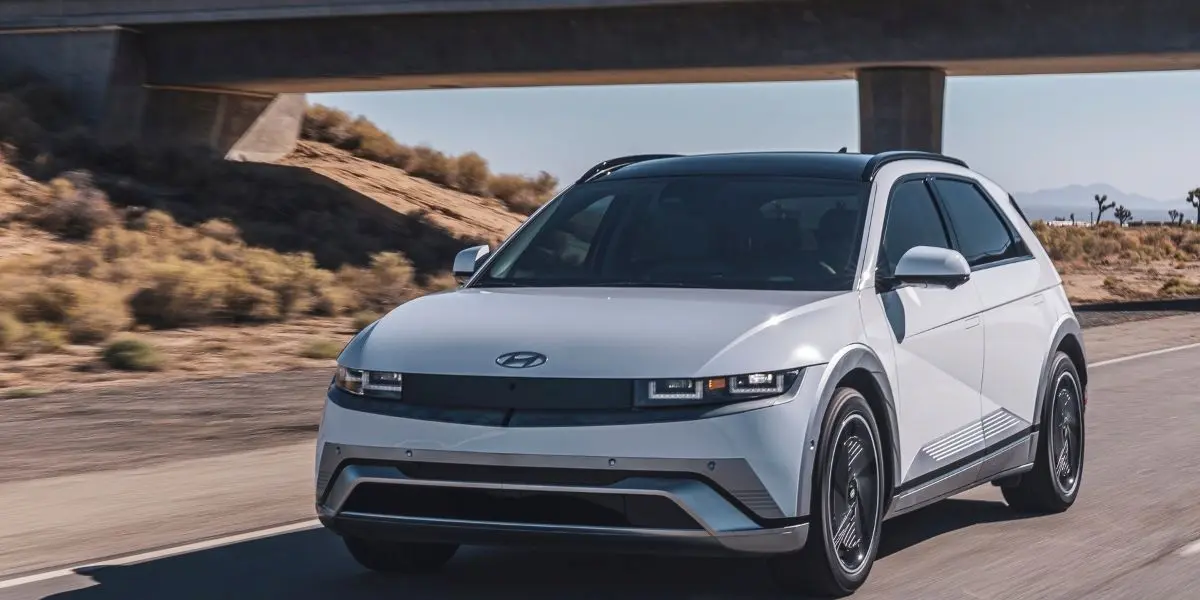
1. Hyundai Ioniq 5 — best mainstream pick
The Ioniq 5 kept 97% of its range at 90°F, the best mainstream result in Recurrent’s data. At 100°F it still held around 90%, near the top of the chart.
Its 800-volt system charges 10 to 80% in about 20 minutes per Hyundai. Shorter charging sessions mean less time heat-soaking at a baking charger stall.
The 2026 model offers up to 318 miles of EPA range on SE, SEL, and Limited RWD trims. It also plugs into Tesla Superchargers natively now, and the Limited adds ventilated seats your back will thank you for.
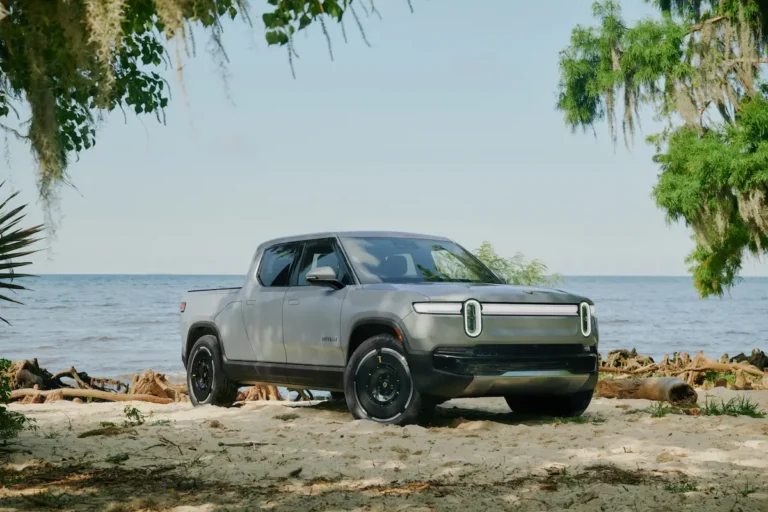
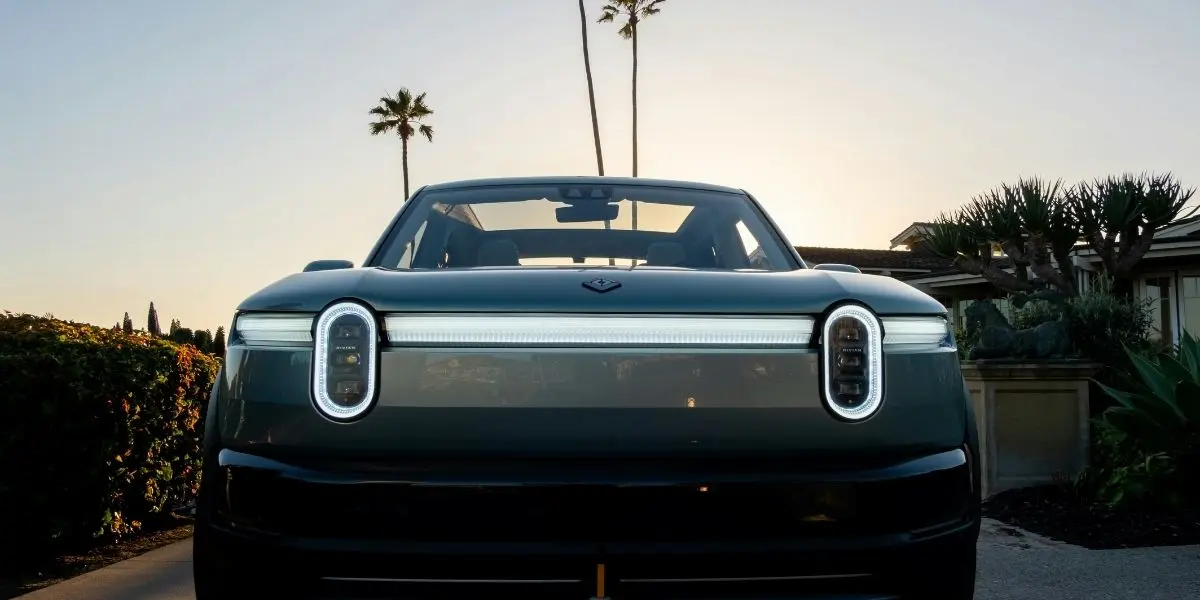
2. Rivian R1S and R1T — the heat champions
The R1S posted 98% range retention at 90°F, the best score Recurrent published. The R1T sat right behind it at 97%.
Rivian built these for towing through deserts, so the cooling system is oversized for grocery runs. That is exactly the kind of overkill a Florida battery loves.
They are not cheap to buy or insure. Read my Rivian maintenance cost breakdown before you fall in love.
3. Tesla Model 3 and Model Y — the one I actually drive
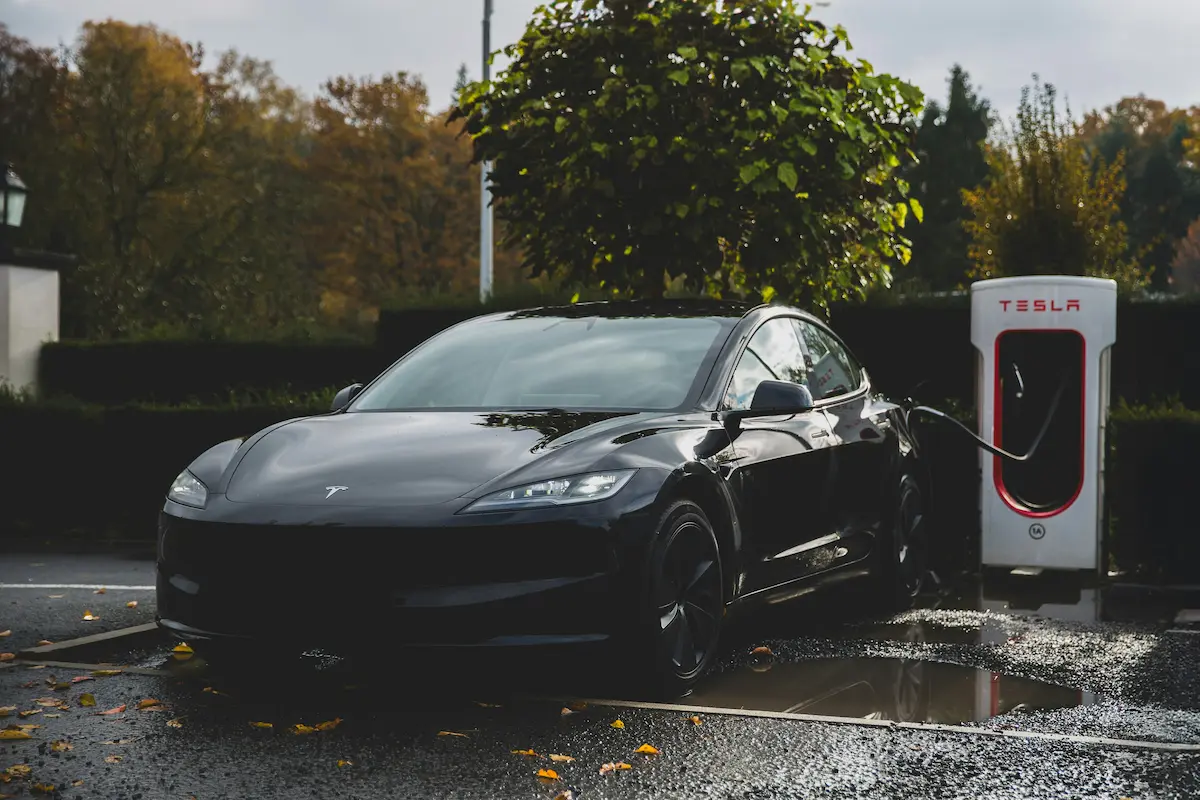
Full honesty: I drive a Model 3 Performance and charge it at home off a converted dryer outlet. So this section comes from my own sweaty experience, not a spreadsheet.
The killer feature in Florida is the Supercharger network during hurricane season. When half the state evacuates north on I-95, charger reliability stops being a convenience and becomes safety equipment.
Tesla’s hot weather guidance is genuinely useful too. Precondition from the app, turn on Cabin Overheat Protection, and stay plugged in so the wall feeds the cooling.
The manual’s one hard limit is extreme: avoid ambient heat above 140°F for more than 24 hours straight. No Florida air gets there, so this is a parked-in-a-sealed-container worry, not a daily one.
Recurrent’s fleet data backs it up: Model 3 kept 95% and Model Y kept 94% at 90°F. But one lab result deserves your eyes before buying a Model Y, and it is next.
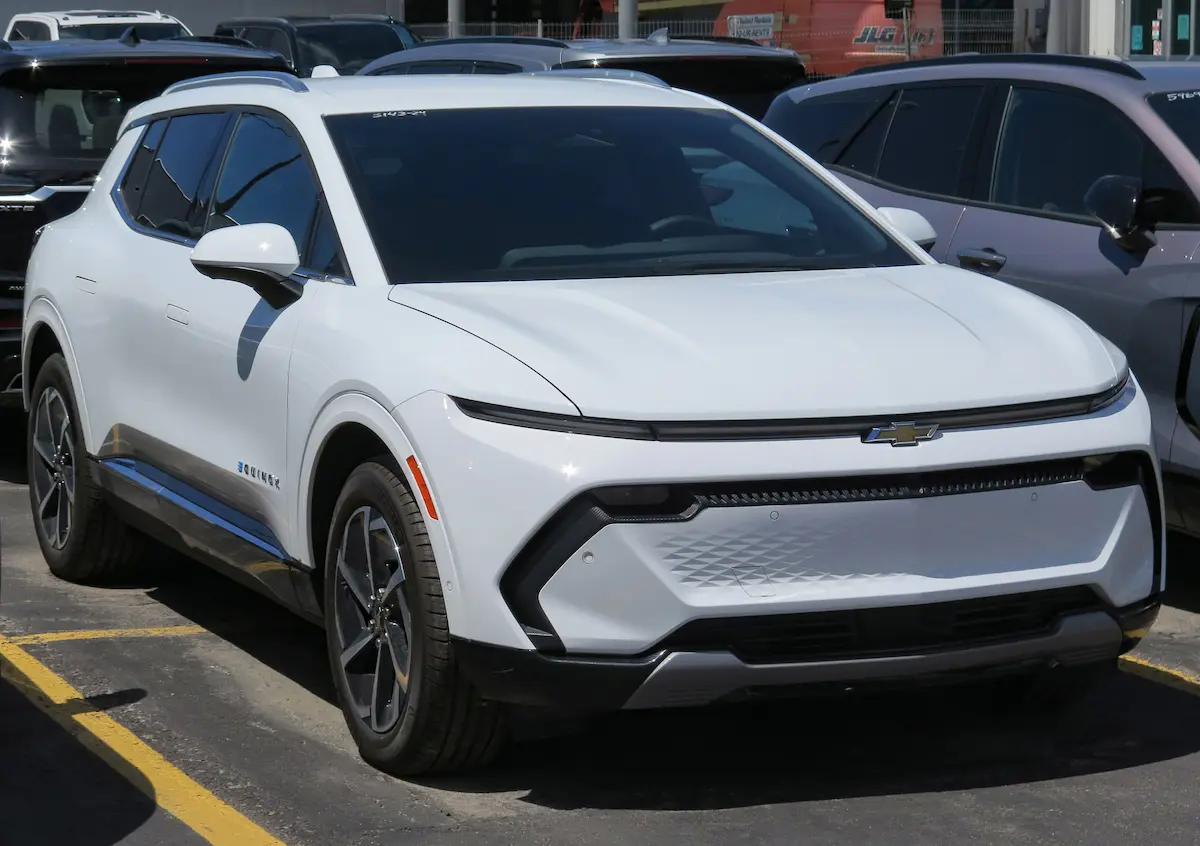
4. Chevy Equinox EV — the budget sleeper
In AAA’s 2026 lab test, the Equinox EV lost just 1.1% of its range at 95°F. It also started with the highest baseline range of the three EVs tested, at 320.8 miles.
That is a remarkable result for the cheapest vehicle on this list. GM’s liquid thermal management clearly earned its paycheck on this one.
5. Ford Mustang Mach-E — the quiet achiever
The Mach-E kept 96% of its range at 90°F in Recurrent’s fleet data. In AAA’s 95°F lab test it gave up only 3% of range.
For 2025 Ford added a vapor-injection heat pump with revised thermal software. AAA called it out by name as a system built to cut losses at temperature extremes.
6. Kia EV6 — fastest charging, with a caveat
The EV6 shares the Ioniq 5’s 800-volt platform and matches its short charging stops. But Recurrent’s data shows it keeping only 92% of range at 90°F, five points behind its Hyundai cousin.
It is still a good Florida car, just not the best E-GMP choice. That gap deserves an explanation, and nobody online has given a straight one.
Why does the Ioniq 5 beat the EV6 in heat?
Reddit owners argue about this constantly: same platform, same battery supplier, five-point gap. Here is my mechanic’s read on why 97 versus 92 is not a mystery.
Fleet data averages across trims, wheels, and tires, and those differ a lot between these two. Heat pump availability also varied by trim and year, which matters more than you would think in summer.
Bigger wheels and stickier tires drag down efficiency, and the EV6 fleet skews sportier. The cars are siblings, but the fleets people actually bought are not twins.
What Does Lab Testing Show About EVs in Extreme Heat?
In April 2026, AAA dyno-tested three EVs at 95°F versus a 75°F baseline, AC set to 72°F. Across the group, EVs averaged a 10.4% efficiency drop and 8.5% range loss.
The per-model spread is the part nobody on page one of Google shows you. One of these cars is not like the others.
One vehicle per model on a controlled dyno protocol, so AAA states these results are not comparable to EPA figures. Source: AAA research report, April 2026.
Yes, the Model Y RWD lost 21.4% of its range in that lab. That is one car on one dyno, while Recurrent’s 94% figure averages thousands of Model Ys on real roads.
Both numbers are honest, and they measure different things. My eyes-open advice: the Model Y is still a fine Florida car, but do not expect it to be the heat champion.
One stale-stat warning before you compare sources. Half the internet still quotes “17% at 95°F” from AAA’s 2019 study.
That number is seven years old, and AAA’s 2026 average is 8.5%. Check the date before you trust any heat stat.
Do Heat Pumps Help EVs in Summer?
This one surprises everybody, including a lot of EV owners. Heat pumps do not help in summer heat, and the data says they cost a little.
Recurrent found EVs with heat pumps kept 93% of range at 90°F versus 97% without. At 100°F it was 85% with versus 87% without.
The reason is simple: automakers tune heat pumps for winter, where the gains are huge. A heat pump is a cold-weather feature carrying a small summer penalty.
That is not a contradiction of my cold weather EV guide, where heat pumps genuinely earn their keep. Same hardware, different season, opposite scoreboard.
Does Hot Weather Slow EV Charging?
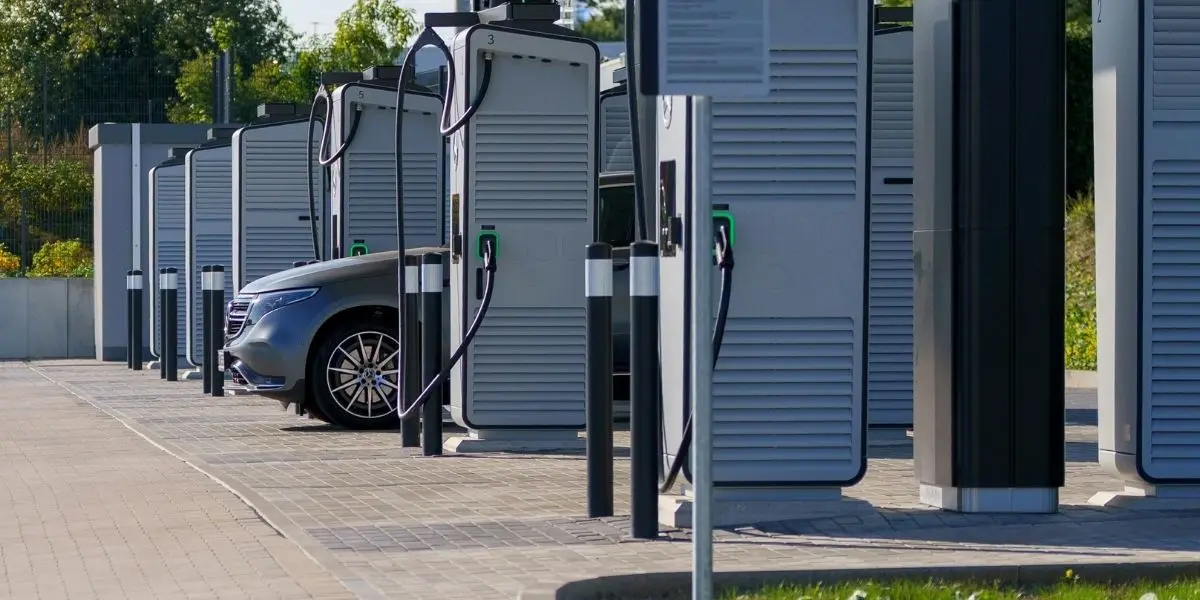
Yes, and in Florida this matters more than range loss. A hot battery protects itself by throttling charging speed, sometimes dramatically.
Do not take my word for it — take Kia’s. Kia Corporation’s own charge-time disclaimer says the 18-minute figure assumes a battery at roughly 72°F.
A pack that just spent four hours in a 95°F parking lot is nowhere near 72°F. It will throttle charging speed hard to protect itself, exactly as that fine print predicts.
The fix is preconditioning: navigate to the charger in the car’s nav so it cools the battery on the way. Arriving with a conditioned pack is the difference between an 18-minute stop and a 45-minute one.
Heat plus fast charging also ages the battery faster. Geotab’s 2026 analysis of 22,700 EVs found exactly that pattern.
Packs leaning on 100 kW+ fast charging degrade at up to 3.0% per year. Gentler charging holds the line near 1.5%.
That is the real argument for home charging in Florida. Your garage Level 2 is slower, cooler, and kinder to the battery, all at once.
Which EVs Struggle in Hot Weather?
Now the list no competitor publishes, because caution does not sell affiliate links. Treat these as eyes-open warnings, not automatic dealbreakers.
The Chevy Blazer EV sits at the bottom of Recurrent’s table at 86%. Same corporate family as my budget pick, completely different report card.
The Kia Niro EV held just 88% at 90°F. The Cadillac Lyriq can lose more than 20% of its range at 100°F, per Recurrent’s model data.
Then there is the used Nissan Leaf, the classic hot-climate warning. Every Leaf before 2026 cools its battery with air and hope.
To Nissan’s credit, the all-new 2026 Leaf finally gets a liquid-cooled 75 kWh pack. The new one exits my penalty box, but a used Leaf stays in it.
Mechanic’s ruleNo EV with a passive air-cooled battery gets a Florida recommendation from me. Heat is the one thing you cannot option your way around later.
Heat also quietly ages every pack over the years. I covered what that looks like long-term in what happens to an EV battery after 10 years.
How Do You Protect an EV in Florida Heat?

Whatever you buy, the daily habits matter as much as the badge. Here is the routine I follow with my own car.
Park in shade whenever the option exists, and keep the battery between 50 and 80% in summer. Recurrent warns that a nearly empty pack sitting in heat cannot afford to run its own cooling.
Pre-cool the cabin while the car is still plugged in. The initial cooldown is the expensive part, pulling 3 to 5 kW versus about 1 kW to maintain temperature afterward.
This post contains affiliate links. If you buy through them, I may earn a small commission — at no extra cost to you.
Now the part only a mechanic will tell you: your EV still has a regular 12V battery. That little battery gets no liquid cooling, and Florida heat is its number one killer.
The 12V blind spotA dead 12V battery will strand a $90,000 EV with a perfectly healthy main pack. I keep a NOCO GB40 jump pack in the frunk for exactly this reason.
When you shop, ask where the 12V battery lives and how hard it is to replace. That tiny question is a surprisingly good test of how a company thinks about owners.
Finally, set up home charging before the first heat wave, not after. A wall unit like the Emporia Level 2 charger lets you precondition off wall power every morning.
My full charger picks are in the best home EV chargers guide. Florida mornings are kinder when the cabin is already cold.
Still on the fence about going electric at all? My honest take lives in should I buy an electric car, and the rest of the EV Guide covers everything in between.
Still Have Questions About EVs in Hot Weather?
How hot is too hot for an electric car?
Driving in normal Florida heat is fine, because the cooling system works hardest while driving. Tesla’s manual only warns against extreme ambient heat far beyond normal Florida air, held for over a day. Your real enemies are sitting unplugged in full sun for weeks at a low charge.
Do heat pumps help EVs in summer?
No — they actually cost a little range in heat. Recurrent’s data shows heat pump EVs keeping 93% at 90°F versus 97% for EVs without one. Heat pumps are a winter feature, so buy one for cold trips, not for Florida summers.
Are LFP batteries better for Florida heat?
Yes. Recurrent’s own hot-climate buying tip is that LFP chemistry stands up to heat better and degrades less. If a trim offers an LFP pack and you mostly drive locally, that is the Florida-friendly choice.
Which EVs should you avoid in a hot climate?
Anything with a passive air-cooled battery, which mostly means used Nissan Leafs built before 2026. In the fleet data, the Chevy Blazer EV, Kia Niro EV, and Cadillac Lyriq also posted the weakest heat numbers.
Should you charge an EV to 100% in Florida heat?
Not as a daily habit. High heat plus a full battery is the combination that ages packs fastest, so keep summer charging between 50 and 80%. Charge to 100% right before a road trip, then drive.
Is the Tesla Model Y bad in hot weather?
No, but the data is genuinely mixed. Across thousands of real cars it kept 94% of range at 90°F, while AAA’s single lab car lost 21.4% at 95°F. It remains a solid Florida pick for the charging network alone — just not the heat champion.