Quick answer: Budget roughly $300 to $700 a year to maintain a Tesla Model 3, with tires as the single biggest recurring cost. That tracks with real owner data and beats most gas sedans handily.
The Model 3 is also the cheaper Tesla to keep on the road. It usually costs less than the Model Y on tires and scheduled service, while insurance runs close enough that you need real quotes.
Last updated: June 2026
- Why the Model 3 is the cheaper Tesla
- Model 3 versus Model Y, head to head
- What Model 3 tires actually cost
- The flat tire problem nobody warns you about
- The real Model 3 maintenance schedule
- Estimate your own yearly cost
- Why the Model 3 stings on insurance
- Is it reliable for the long haul
- New or used: which makes sense
- FAQ
I’ve driven both the Model 3 and the Model Y plenty — back to back, different days, different roads. When it’s just me and I get the choice, I take the 3 every time.
It’s the fun one. It’s lighter, it sits lower, the steering is sharper, and it drives like it’s on rails in a way the taller Y never quite matches.
Here’s the part nobody tells you. The exact traits that make the 3 more fun are the same traits that make it cheaper to own than its bigger sibling.
Twenty-five years under cars tells me why, and the receipts back it up. This is what the cheaper Tesla actually costs to keep on the road.
Why is the Model 3 the cheaper Tesla to keep?
It comes down to weight and rubber. The Model 3 is a few hundred pounds lighter than the Model Y and rides on smaller, narrower tires.
Lighter car plus smaller tires equals slower tire wear and cheaper replacements. On an electric car, that matters more than almost anything else, because tires are where your money actually goes.
That’s the trick. The 3 corners flatter and feels quicker because it’s lighter and lower, and that same lightness is why it eats tires more slowly than the Y.
The fun one is the cheap one. Those aren’t two facts about the car, they’re the same fact seen from the driver’s seat or the maintenance receipt.
Both Teslas also skip the expensive stuff a gas car needs, from oil changes to spark plugs to transmission service. For the bigger picture on that, I broke it down in my guide to EV maintenance costs.
Is the Model 3 cheaper to maintain than the Model Y?
Yes, and the data backs up what I see from behind the wheel of each one. CarEdge estimates the Model 3 at about $3,224 over ten years, or roughly $322 a year.
The Model Y lands higher. CarEdge puts it at about $3,977 over ten years, closer to $400 a year.
The gap holds over five years too. The 3 runs about $1,167 while the Y runs closer to $1,387.
That’s the same drivetrain and the same service philosophy. The difference is almost entirely tires and the weight pushing down on them.
Insurance is messier than maintenance. Some data calls the 3 the cheapest Tesla to insure, other data puts it nearly tied with the Y, so real quotes are the only way to know.
If you’re cross-shopping the two, I wrote a companion piece on Tesla Model Y maintenance cost. Read both and the math makes the choice for you.
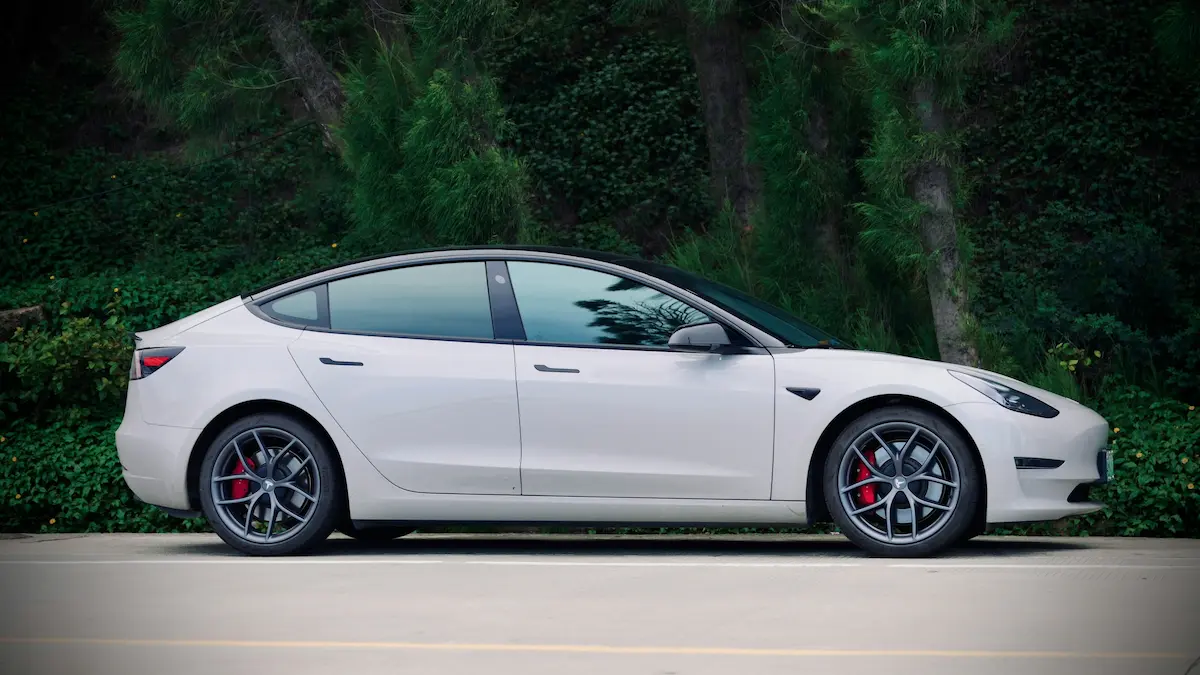
The Model 3’s lower sedan shape is a big reason it feels sharper than the Model Y, and usually costs less on tires.
What do Tesla Model 3 tires actually cost?
Tires are the real maintenance story on any Tesla. A Model 3 set typically lasts 25,000 to 40,000 miles, depending on how you drive and which trim you own.
Performance trims wear faster. Bigger wheels, stickier rubber, and more torque to the ground all shorten the life of a set.
Here’s where Tesla gets you. Tesla can quote $1,700 for a standard set and up to $2,500 for a Performance set, and a lot of owners just say yes because they don’t know better.
You don’t have to. Tires are one of the few Tesla jobs you are not locked into the service center for.
An independent shop or Costco often fits a Model 3 set for around $180 to $250 per tire installed, well under Tesla’s $1,700-plus quotes. Buy your own rubber, take it to a competent shop, and pocket the difference.
When you shop your own rubber, you also get to choose. A quieter, comfort-focused tire can transform how a Model 3 rides, and Tesla’s default isn’t always the best pick for your roads.
Plan on $600 to $1,200 a year set aside for tires if you drive a lot or own a Performance trim. That single line item explains most of the spread in those annual cost estimates.
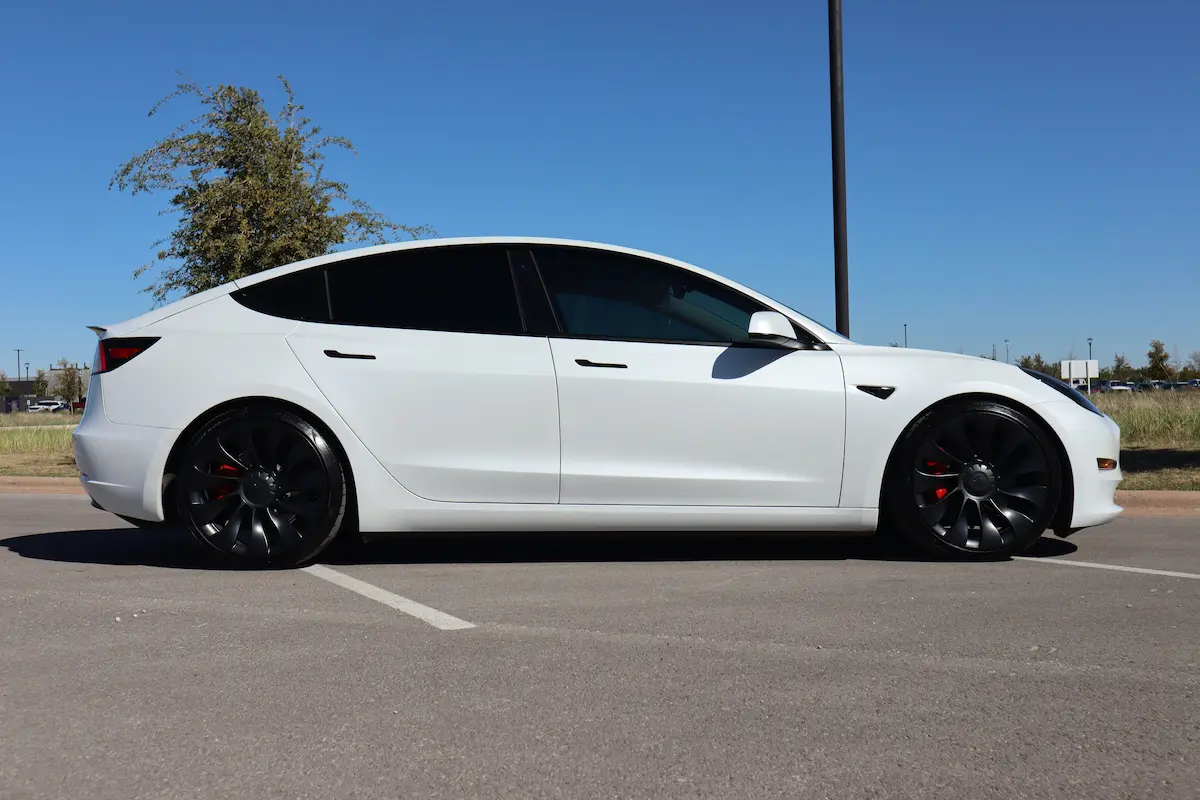
Performance trims can run bigger wheels and lower-profile tires, which is where Model 3 tire costs start climbing.
What happens if you get a flat tire in a Model 3?
This is the one that catches new owners off guard. The Model 3 does not come with a spare tire, not even a temporary donut.
There’s no jack and no place to put one. If you puncture a sidewall on a back road, you are not changing it yourself on the shoulder.
Your options are a plug kit for a small tread puncture, Tesla roadside assistance, or a flatbed tow to a shop. None of those is fun at 9 p.m. on a dark highway near Saint Augustine.
That’s also why road hazard coverage is worth a hard look on a car like this. A bent wheel or a shredded sidewall on those low-profile tires is a real risk, and replacement is not cheap.
If you buy your own tires, Tire Rack’s road hazard protection covers damage from potholes and debris that a manufacturer warranty won’t. On a no-spare car running stiff sidewalls, that’s a sensible bit of insurance.
What’s the real Tesla Model 3 maintenance schedule?
This is where most articles get it wrong, and where you can hold them accountable. The Model 3 has no traditional mileage-based service plan, just a short list of time and wear items.
I pulled these straight from Tesla’s own maintenance page and cross-checked the owner’s manual. Get these right and you’ll never overpay for a service you didn’t need.
| Service item | Tesla’s interval | Ballpark cost |
|---|---|---|
| Tire rotation | Every 6,250 miles | $0 to $60 |
| Cabin air filter | Every 2 years | $30 to $60 done yourself |
| Brake fluid health check | Test every 4 years, replace if needed | Test often free, flush if required |
| A/C desiccant bag | Not scheduled on current Model 3; 2017–2021 non-heat-pump cars: every 6 years | Service-center job if required |
| HEPA filter, if equipped | Every 3 years | $50 to $90 done yourself |
| Brake caliper clean and lube | Yearly only in salted-road regions | Skippable in Florida |
| Tires, full set | Every 25,000 to 40,000 miles | $900 to $2,500 |
Notice the brake fluid line. Tesla says test it every four years and replace only if the test fails, not flush it every two years like a lot of guides claim.
That four-versus-two difference is real money over a decade. If a shop tells you a Model 3 needs a brake flush on a fixed two-year schedule, they’re reading from a gas-car playbook.
The desiccant bag is where old advice gets messy. Tesla’s current maintenance page says scheduled replacement isn’t required on the Model 3, though 2017–2021 non-heat-pump cars still carry a six-year recommendation.
For a newer heat-pump car, check the Maintenance Summary on the screen before paying for that job. Most owners never need to touch it.
The cabin filter is the one job worth doing yourself. It’s two filters behind the glovebox, about ten minutes, and Tesla charges a premium to do what you can handle in your driveway.
It’s worth keeping a spare cabin filter set on hand so you’re never tempted to pay shop rates for a five-minute task. Any online walkthrough shows the exact steps.
Don’t forget the small stuff either. The low-voltage battery still ages like any car’s, and a worn one can cause weird electronic gremlins before it strands you.
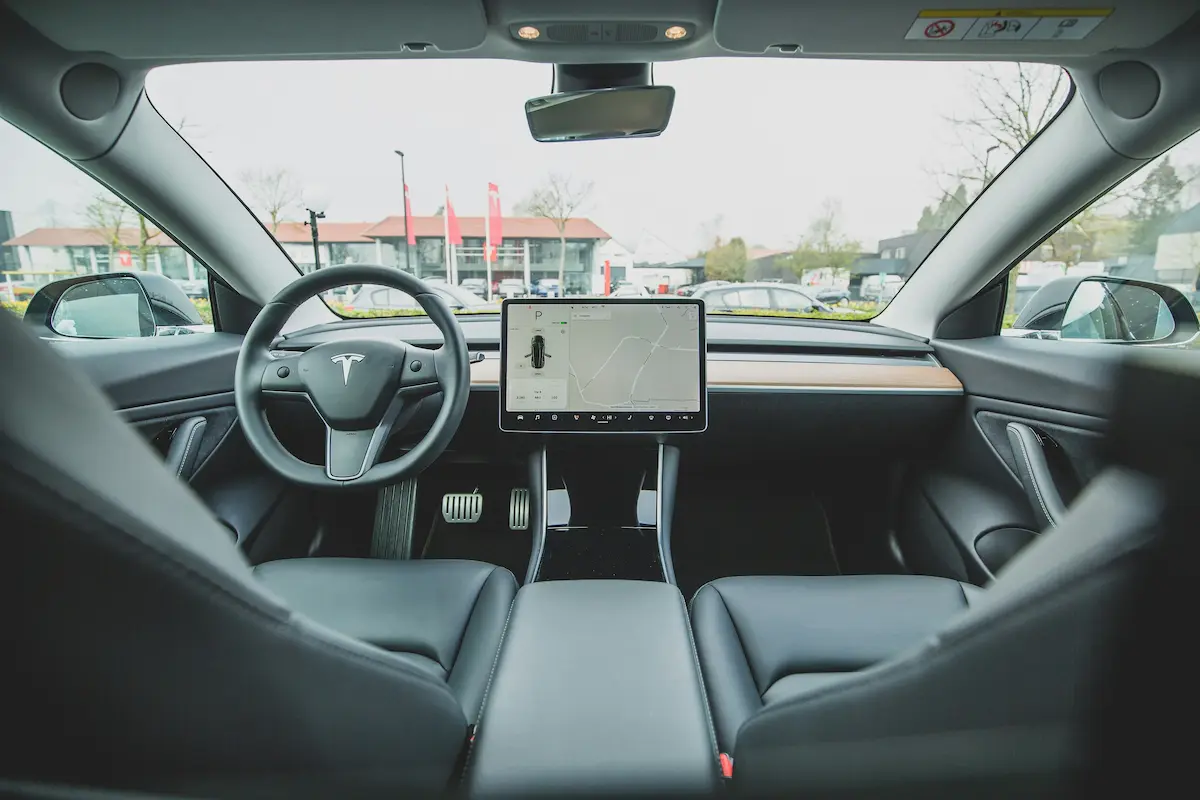
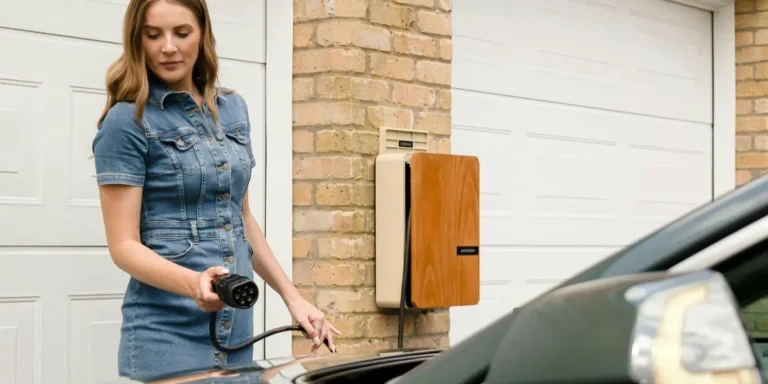
The Model 3 keeps most owner-facing controls on the center screen, but the maintenance intervals still matter before you pay a shop.
What will your own Model 3 cost to maintain?
Plug in how you’d actually drive it. The estimator leans on the same numbers cited above, with tires doing most of the heavy lifting.
Estimate only — your biggest lever is tires and where you buy them. Battery and drive unit are excluded, since those stay warranty-covered for years.
Why is the Model 3 so expensive to insure?
Here’s the gut-punch nobody mentions at the showroom. However you slice it, a Model 3 costs well above the average car to insure.
Insurance.com pegs full coverage at about $3,871 a year, against an all-vehicle average closer to $3,037. That’s a meaningful chunk on top of your loan payment.
The reason is repair cost, not crash risk. EV parts are pricey, the bodywork uses specialized labor, and a fender bender can total panels that look cosmetic.
Across the lineup it’s basically a tie with the Model Y — some data calls the 3 the cheapest Tesla to insure, while other data puts the Y a hair lower. Real quotes are the only way to know your number.
Tesla rates swing hard between carriers, so pull fresh quotes annually and don’t auto-renew out of laziness. The same Model 3 can vary by more than a thousand dollars a year depending on the insurer.
Is the Tesla Model 3 reliable for the long haul?
For the most part, yes. The drivetrain is dead simple, and regenerative braking means the brake pads often last 80,000 to 100,000 miles or more.
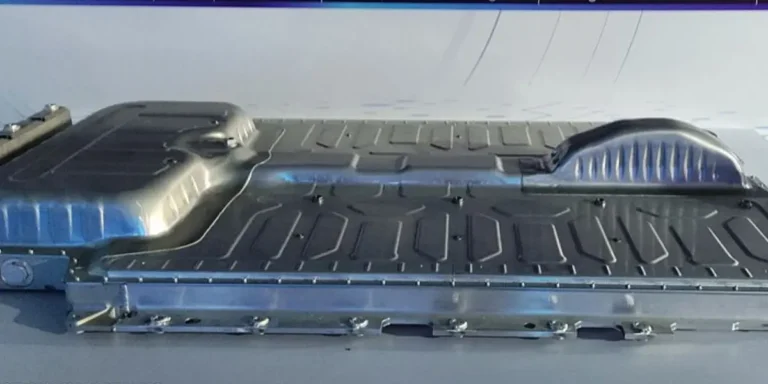
The high-voltage battery and drive unit are covered for eight years and 100,000 to 120,000 miles depending on trim. A full out-of-warranty pack failure is rare but expensive, which I dig into in my piece on the EV battery after 10 years.
The honest weak spots are suspension and electronics. As a heavy car, the 3 can wear control arms and bushings, and one owner I read about chased a front ball joint squeak that Tesla fixed under warranty.
There was also a rearview-camera recall affecting 239,382 Tesla vehicles, including certain 2024–2025 Model 3s. Check that any used 3 you’re eyeing has had its recalls cleared.
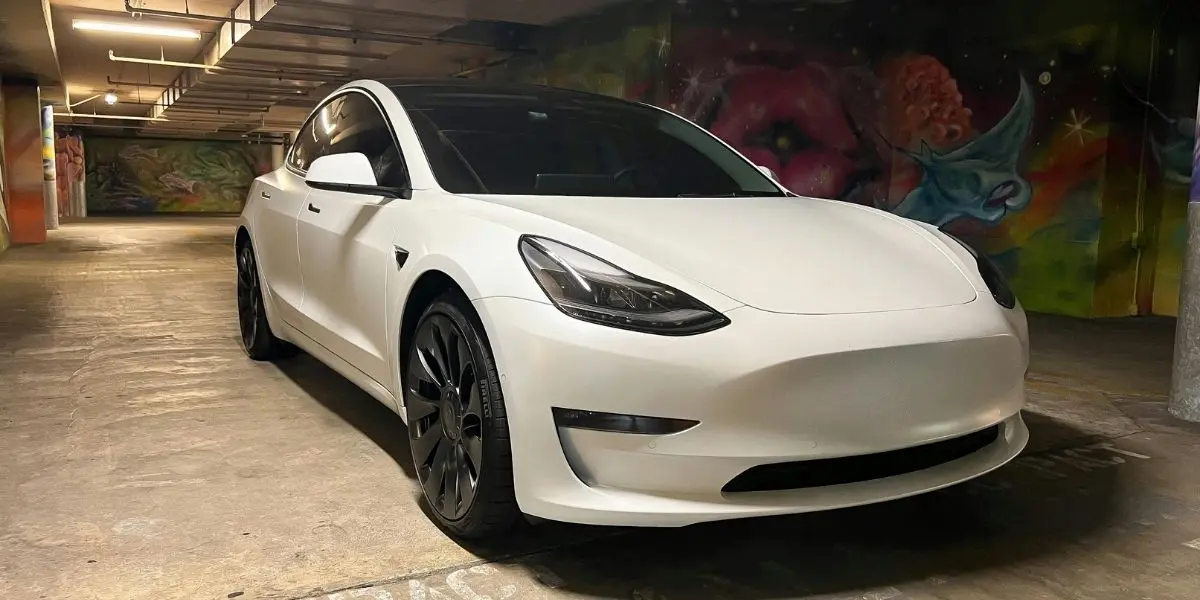
A used Model 3 can be cheap to run, but tires, alignment, and recall status are the first things to check.
Should you buy a new or used Model 3?
Used is where the smart money is right now. Teslas depreciate hard, which is brutal for the first owner and a gift for the second.
A two or three year old Model 3 has shed most of its depreciation while keeping years of battery warranty. You let someone else eat the steepest drop.
Just budget for tires the day you buy. A used 3 with worn rubber and a needed alignment can hit you with a $700 bill before you’ve made a payment, so factor that into the price.
Whichever way you go, the running costs stay low. For the full ownership picture across the lineup, my Tesla maintenance cost guide ties the models together.
Tesla Model 3 maintenance cost FAQ
How much does a Tesla Model 3 cost to maintain per year?
Most owners spend roughly $300 to $700 a year, with tires as the biggest variable. Tesla’s own guidance lands in the mid-hundreds, and high-mileage or Performance drivers should budget toward the top of that range.
Is the Model 3 cheaper to maintain than the Model Y?
Yes. The 3 is lighter and runs smaller tires, so it costs less on rubber and scheduled service. CarEdge data shows it beating the Y over both five and ten years.
How often do Model 3 tires need replacing, and what do they cost?
Expect a full set every 25,000 to 40,000 miles. Tesla may quote $1,700 to $2,500, but buying your own tires and using an independent shop can often cut the bill by hundreds of dollars.
What happens if you get a flat tire in a Model 3?
There’s no spare, jack, or donut in the car. You’ll use a plug kit for a small puncture, or call roadside assistance for a tow, which is why road hazard coverage is worth considering.
How much is an oil change for a Tesla Model 3?
Zero. The Model 3 has no engine oil, no spark plugs, and no transmission fluid to change, which is the whole point of going electric.
Why is the Model 3 so expensive to insure?
EV parts and specialized repair labor drive premiums above the average car, and the 3 runs about even with the Model Y. Shopping quotes every year is the best way to keep the cost down.
Is a used Tesla Model 3 expensive to maintain?
No, the running costs stay low even on an older car. Your main early expense is usually tires, so inspect the rubber and alignment before you buy and price that into the deal.
The bottom line
The Model 3 is the Tesla I reach for, and it’s also the one that costs less to keep. That’s not a coincidence, it’s the same lightness paying off in two directions.
Budget for tires, do the cabin filter yourself, shop your insurance every year, and the 3 stays properly cheap to run. For the rest of the lineup and how it all connects, start at the EV Guide.
This post contains affiliate links. If you buy through them, I may earn a small commission, at no extra cost to you.