
What is one pedal driving? One-pedal driving lets you slow — and in most EVs, fully stop — just by lifting your foot off the accelerator.
The motor flips into generator mode and uses that resistance to push energy back into the battery. You still have a brake pedal — you just won’t need it much.
Last updated: May 2026
The first time I tried it was in a friend’s Tesla Model 3. I’ve been driving cars for 25 years, and nothing in those 25 years prepared me for lifting my foot at 40 mph and feeling the car grab.
Not a brake-pedal grab — something deeper, from the drivetrain itself. My instinct was to reach for the brake pedal that I wasn’t using.
That instinct is wrong, by the way. But it’s completely normal.
One-pedal driving is one of the most divisive features in the EV world. Some owners won’t drive without it — others turn it off immediately and never look back.
I’ve now driven six different EVs with varying implementations of the system: a Model 3, Model Y, Model S, Chevy Blazer EV, Chevy Bolt, and Honda Prologue. Here’s what no manufacturer page will tell you.

Tesla’s touchscreen is where you enable Hold mode — the setting that activates one-pedal driving to a full stop.
How One-Pedal Driving Actually Works
An EV’s electric motor can run in two directions. In drive mode, it pulls power from the battery and spins the wheels forward.
When you lift off the accelerator in one-pedal mode, the car reverses that process. The motor becomes a generator — using the car’s forward momentum to create electricity and send it back into the battery pack.
The result is resistance. You feel it the same way you’d feel engine braking in a gas car, but stronger and more controllable.
In many EVs, that resistance slows the car all the way to zero without touching the friction brakes. This is different from standard regen, which every EV and most hybrids already use in the background at lower intensity.
One-pedal mode cranks the regen high enough that the brake pedal becomes optional — which sounds simple until the first time you actually try it. For the full mechanical picture, see our guide to how regenerative braking works.
What Does It Actually Feel Like?
Counterintuitive at first. Every instinct from 25 years of gas cars says lift your foot and coast — but in one-pedal mode, lifting is a braking input.
Your brain knows this. Your foot doesn’t get the memo right away.
The adjustment took me about 20 minutes of city driving. By the time I was back on the highway, I was already modulating pressure without thinking — and once it clicks, you don’t want to go back.
Here’s what nobody writes about: the systems feel genuinely different between manufacturers. Tesla’s regen in Hold mode is firm and linear — very confidence-inspiring.
The Bolt’s one-pedal mode in L is slightly more abrupt at the initial lift.
Hyundai’s i-Pedal on the Ioniq 5 and Ioniq 6 is the most adjustable — four regen levels via steering wheel paddles, and the feel shifts noticeably between them. The Honda Prologue’s regen felt the mildest of everything I drove.
None of them feel the same. That’s the thing no comparison chart captures — you need seat time in the specific car.

One-pedal driving feels strange at first because lifting off the accelerator becomes a braking input.
Which EVs Have One-Pedal Driving?
Not all of them — and the ones that do implement it differently. The key distinction: true one-pedal driving brings the car to a complete, held stop without the brake pedal.
Some EVs only slow down significantly but require a brake tap to fully stop. That’s strong regen, but it’s not true one-pedal driving.
| Vehicle | System Name | Full Stop? | How to Enable |
|---|---|---|---|
| Tesla Model 3 / Y / S / X | Hold mode | Yes | Touchscreen → Pedals & Steering → Stopping Mode: Hold |
| Chevy Bolt EV / EUV (2022+) | One-Pedal Driving | Yes | OPD button on center console while in Drive |
| Chevy Blazer EV / Equinox EV | One-Pedal Driving | Yes | Center console button |
| Hyundai Ioniq 5 / Ioniq 6 | i-Pedal (4 levels) | Yes | Paddle shifters to max regen / i-Pedal mode |
| Kia EV6 / EV9 | i-Pedal | Yes | Paddle shifters to max regen |
| Nissan Leaf | e-Pedal | Yes | e-Pedal button on center console |
| Ford Mustang Mach-E / F-150 Lightning | 1-Pedal Drive | Yes | SYNC screen → Drive Modes → 1-Pedal Drive |
| Porsche Taycan | None | No | Coasts by default — Porsche’s design philosophy |
The Porsche Taycan is worth calling out: Porsche deliberately chose not to include true one-pedal driving. Their engineers wanted the car to feel closer to a gas car at the limit.
Some owners love that decision — others consider it a deal-breaker. It’s a legitimate difference in driving philosophy.
Ioniq 5 / Ioniq 6 owners note: On many Hyundai and Kia EVs, the i-Pedal setting doesn’t persist after you park and restart.
Every drive, you’ll tap the paddle back to max regen. Software versions vary, but it’s a widely reported annoyance.
Does One-Pedal Driving Save Range?
Yes — but the number is smaller than the marketing suggests. Real-world regen recovery in typical driving adds meaningful range — the benefit varies widely depending on where and how you drive, and that variation is real.
Highway driving adds almost nothing — you’re coasting, not stopping. City driving is where regen earns its keep, because every deceleration event is a recovery opportunity.
Research published in Frontiers in Mechanical Engineering found that under certain urban driving conditions, more than 25% of vehicle kinetic energy can be recovered with a single-pedal strategy. That’s meaningful in stop-and-go traffic.
My Insight has paddle shifters that let me dial regen on the fly, and I’ve been running aggressive regen in city sections for years. It moves the fuel economy number in city driving.
On highway miles, the paddles stay untouched.
The practical rule: one-pedal driving pays in city and suburban driving. On the highway, drop to a lower regen setting and coast.
For more on how range actually works, see our guide on how far electric cars go.
When NOT to Use One-Pedal Driving
One-pedal driving is a preference, not a universal upgrade — and there are real situations where you should dial it back.
Highway driving at speed. Lifting your foot at 70 mph in full one-pedal mode creates abrupt deceleration the driver behind you may not be expecting.
On the highway, lower regen or coast mode is safer and more comfortable. Save the aggressive regen for where it actually helps.
Wet or icy roads. Chevy’s own documentation warns against one-pedal driving in wet, snowy, or icy conditions — aggressive regen can break traction the same way hard braking can.
The system was not designed for ice. Florida drivers get a pass most of the year — everyone else, winter is a different conversation.
Your first hour in a new EV. Get comfortable with the car first — learning it and the one-pedal system simultaneously is more stressful than it needs to be.
For a bigger picture on how EVs manage power, see our guide on how electric cars work.
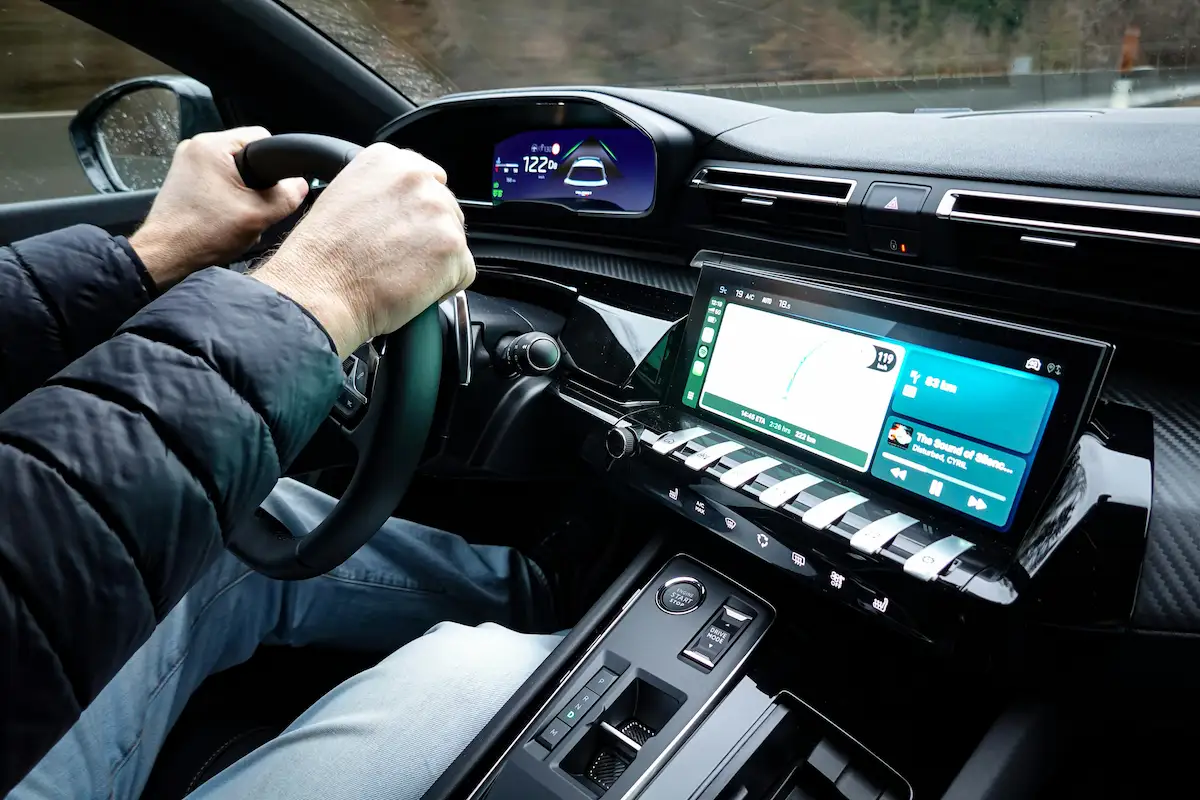
One-pedal driving works best when you match the regen setting to the road conditions.
Does One-Pedal Driving Wear Out Your Brakes?
Slower — significantly, and this is one of the clearest mechanical wins in EV ownership. Traditional brake pads typically need replacement every 30,000–60,000 miles on a gas car.
Many EV owners with strong one-pedal usage go well over 100,000 miles on the original pads. Some never replace them at all — a pattern confirmed across manufacturer technical data and brake system engineering sources.
My own Insight demonstrates the same principle. At 156,000 miles, I’m still on the original brake pads — because between the hybrid regen system and how I use the paddles, the friction brakes almost never take a full load.
There’s one catch that most EV writers miss: less brake use can cause rotor and pad corrosion. When brakes don’t get hot regularly, moisture builds up and rotors rust.
In a humid climate this is real, not theoretical. Get your brake system inspected every 12 months regardless of how little wear the pads show.
The motor itself doesn’t take meaningful extra wear from acting as a generator. Regen uses the same electromagnetic resistance that already exists in the motor — it’s not adding a new load, it’s redirecting an existing one.
Buying a used EV? Low brake pad wear at high mileage is not a warning sign — it’s evidence the previous owner used regen correctly.
But have the rotors and calipers inspected regardless. Rust or a sticking caliper can hide behind perfectly good pads.
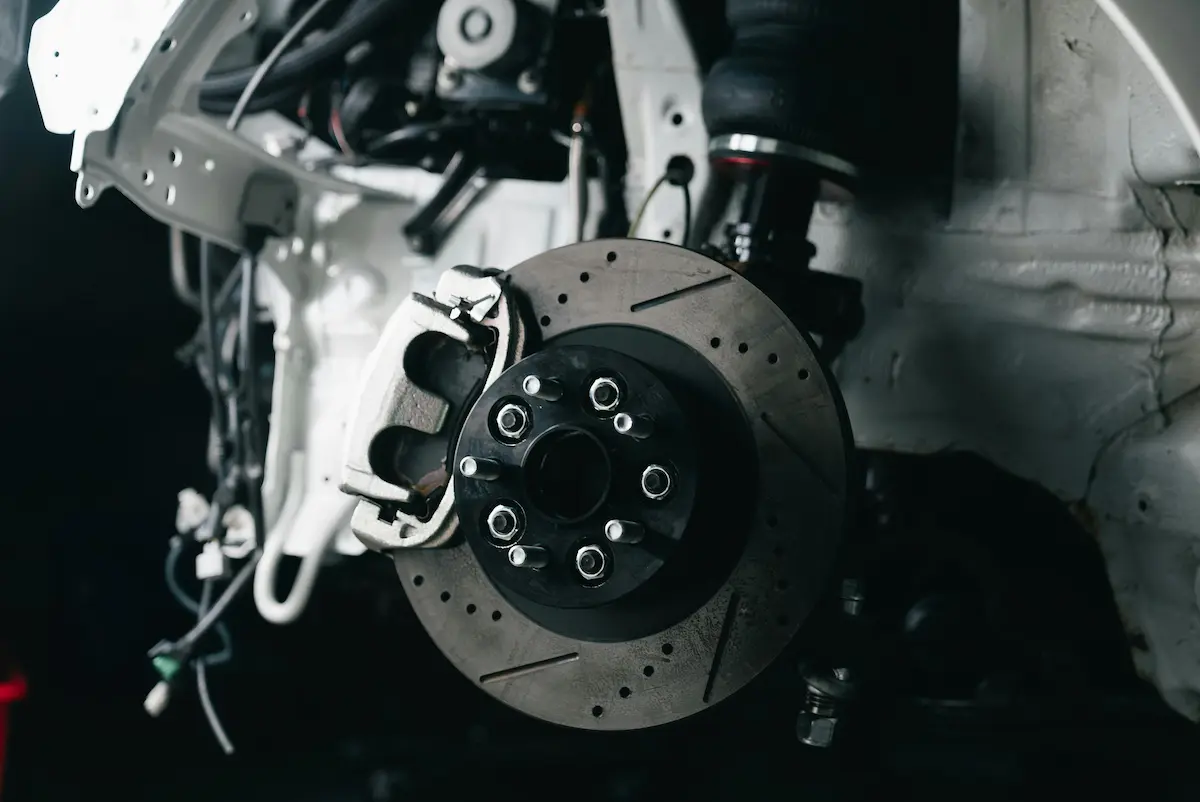
Regenerative braking handles most everyday slowing, but EV brakes still need regular inspection.
Is One-Pedal Driving Right for You?
It depends on where you drive and how quickly you adapt. City commuters and stop-and-go regulars tend to love it.
Highway drivers and people who want their EV to feel like every gas car they’ve ever driven tend to find it annoying — at least at first.
My honest take: try it in city driving before you decide. That’s where the system makes sense.
Don’t judge it from a 10-minute highway test drive. Give it a week of real commuting, then decide.
Most skeptical drivers come around after a few days of city driving.
If you’re still figuring out whether an EV fits your life, start with our guide on whether you should buy an electric car, or explore the full EV Guide for more.
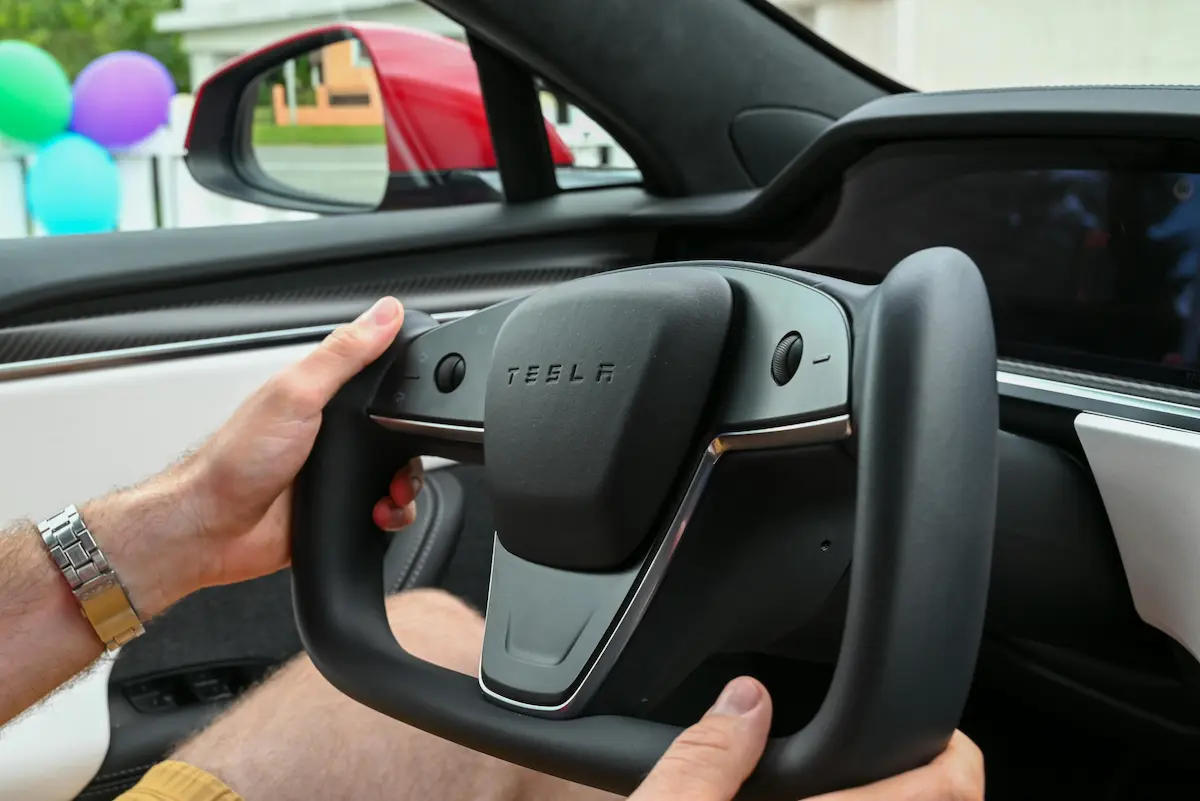
Give one-pedal driving a full week of city commuting before deciding whether it fits your driving style.
Have Questions About One-Pedal Driving?
Does one-pedal driving use the brake pedal at all?
You still have a brake pedal and should use it for emergency stops and precise low-speed control. One-pedal mode just means you rarely need it in normal city driving — it reduces how often you reach for it, but doesn’t disable it.
Can one-pedal driving cause accidents?
The most common risk is sudden deceleration surprising the driver behind you, particularly at highway speeds. Most EVs activate brake lights when regen hits a certain deceleration threshold.
The bigger concern is slippery roads — aggressive regen can break traction the same way hard braking can.
Do all Teslas have one-pedal driving?
Yes — all current Tesla models (Model 3, Y, S, X) support one-pedal driving through the Hold stopping mode. Enable it via the touchscreen under Pedals and Steering.
Hold applies regen all the way to zero and keeps the car stationary on hills without the brake pedal.
Is one-pedal driving better for the battery?
It returns energy to the battery that would otherwise be lost as heat — a genuine efficiency benefit in city driving. It doesn’t meaningfully accelerate battery degradation; regen charging rates are well within the battery’s normal operating parameters.
What is the difference between one-pedal driving and regenerative braking?
Regenerative braking is the technology — every EV uses it to some degree, even when you press the brake pedal. One-pedal driving is a mode that cranks regen intensity high enough that the brake pedal becomes optional for most stops.
For more on how regen works mechanically, see our regenerative braking guide.
Should I use one-pedal driving on the highway?
Generally no — or at least dial the regen level down. Lifting your foot at highway speed creates strong deceleration that can catch the driver behind you off guard.
Highway driving rewards coasting and light regen, not the aggressive settings that help in city traffic.