
Quick Answer
An extended car warranty is worth considering only when your exact contract survives real scrutiny. Useful coverage must outlast existing warranties and match how long you keep the car.
I usually skip them because my cars stay with me about two to four years. That ownership pattern makes long contracts less useful for me, not automatically useless for you.
Last updated: September 1, 2026
A finance manager can make service coverage sound wonderfully simple after a long dealership day. The real decision starts when you stop listening and read the actual contract.
I have never bought an extended service contract or personally fought one of those claims. My skepticism comes from years around repairs, dealerships, and complicated factory-warranty authorization.
This guide follows the paperwork from the finance-and-insurance desk to the repair counter. I use that same thinking throughout my Buying Advice guides on SpotForCars.

Are extended car warranties worth it?
For my own cars, the answer is usually no because I keep them relatively briefly. I also try to move on before roughly 150,000 miles becomes my problem.
Your answer can change when useful coverage survives after factory or CPO protection ends. The contract must also cover expensive systems you actually expect to keep driving.
The FTC recommends comparing existing warranty coverage before buying any separate service contract. It also recommends checking deductibles, repair rules, coverage limits, and authorization requirements before signing.
Max’s Take
I am not anti-warranty; I am anti-paying for protection that never fits my ownership. Show me useful coverage, workable claims, and sensible pricing before selling me peace of mind.
What are you actually buying when a dealer says “extended warranty”?
Many products called extended warranties are separately purchased vehicle service contracts, not factory warranties. The FTC says separately purchased service contracts are not warranties under federal warranty law.
That distinction matters because the seller, claims administrator, and contract obligor may be different companies. The FTC tells buyers to identify the company responsible for promised coverage.
Manufacturer-backed plans operate under automaker-branded programs, while third-party contracts involve outside companies. Neither label guarantees value because coverage, exclusions, pricing, and claims procedures still control.
Know The Three Names
The seller takes payment, while the administrator may handle claims and authorization decisions. A current CARCHEX sample defines the obligor as responsible for performing contract obligations.
GM Financial lists GM Protections as obligor and Safe-Guard as administrator for protection plans. Florida uses a different Safe-Guard administrator entity under that same current protection program.
Do not confuse a service contract with CPO coverage or prepaid maintenance either. Those products solve different problems and should never share one mental price bucket.
How much useful extended-warranty coverage are you really getting?
This is where sales language causes expensive confusion, because different contracts use different coverage clocks. Never assume coverage begins when your factory warranty ends or when you sign.
Ford says new protection plans begin at the original warranty start and zero miles. Toyota Financial says new-vehicle VSAs also measure from first use and zero miles.
Toyota Financial measures used-plan time and mileage from the agreement application points instead. Mopar says traditional pre-owned plans generally begin at purchase date and purchase mileage.
GM Financial states protection-plan coverage can currently run concurrently with applicable manufacturer warranties. That means advertised contract years can include time already protected somewhere else.
| Check | Why it matters | What to write down |
|---|---|---|
| Current vehicle age | Shows how much advertised time already disappeared | Months since original in-service date |
| Current mileage | Shows how close you are to mileage expiration | Today’s odometer reading |
| Factory or CPO end | Reveals duplicate protection | Exact time and mileage limits |
| Contract effective point | Prevents the wrong starting assumption | Date, mileage, and waiting period |
| Contract expiration | Shows the outside coverage boundary | Time limit and mileage limit |
| Your planned sale point | Shows whether you will keep useful coverage | Expected age and mileage at sale |
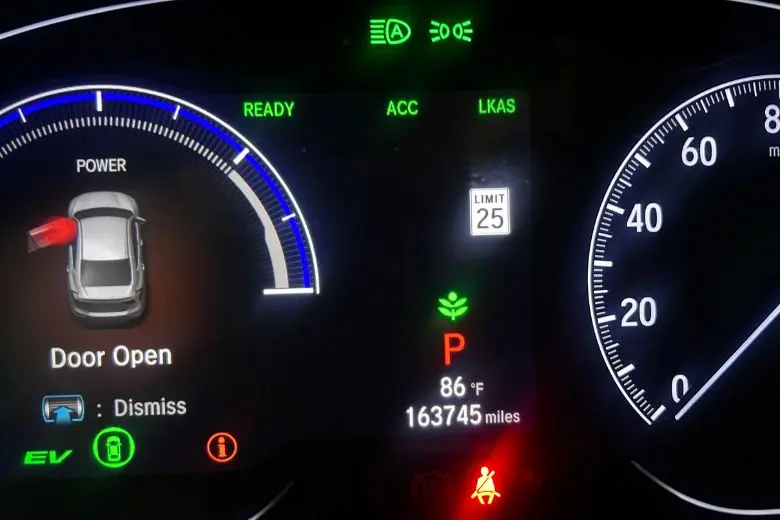
Subtract every month and mile you expect to sell before using non-overlapping protection. Coverage you never reach has no practical value, regardless of impressive brochure numbers.
What happens when your car is actually on the lift?
This is where the sales pitch meets a repair order and becomes much less abstract. A failed component must still survive the contract’s claim process before anyone approves payment.
FTC guidance tells buyers to check preapproval, repair locations, teardown responsibility, labor reimbursement, and parts rules. It also warns that maintenance records can matter when a claim receives review.

Current Endurance sample terms require prior authorization and identify waiting periods, deductibles, exclusions, and responsibilities. The same sample also describes labor calculations and permitted replacement-part rules for covered repairs.
A current CARCHEX sample lists waiting periods, authorization requirements, teardown responsibility, parts choices, and labor rules. It also places an aggregate limit of liability directly on its declarations page.
| Repair step | What can happen | Your question before buying |
|---|---|---|
| Diagnosis | The shop identifies the failed component and failure cause | Who pays diagnosis when coverage gets denied? |
| Authorization | The administrator reviews coverage before repairs continue | Must authorization happen before any work begins? |
| Teardown | More disassembly may be required before approval | Who pays teardown when the failure is excluded? |
| Maintenance proof | Records may be requested during claim review | What records must I retain and provide? |
| Parts | Contracts may permit new, remanufactured, or comparable replacement parts | Who chooses the replacement part? |
| Labor | Payment can depend on approved labor rates and time guides | Could my shop’s bill exceed authorized labor? |
| Final bill | Deductibles and uncovered items can remain yours | What can I still owe after approval? |

Max’s Take
Factory-warranty work taught me that a broken part never automatically creates a paid repair. Coverage language, failure cause, maintenance history, and authorization still have to line up.
Are manufacturer-backed plans better than third-party contracts?
I would not call manufacturer-backed plans universally better, because price and coverage still vary. I mainly like manufacturer-backed plans when their dealer network makes service handling simpler.
Toyota Financial says used-vehicle agreements use its nationwide network and factory-trained technicians. The same program says covered repairs use Toyota-approved parts under current VSA terms.
Third-party contracts can still work, but verify your preferred shop before buying anything. Ask whether that shop works with that administrator and handles claim authorization regularly.
Do not confuse brand backing with automatically good contract economics for your situation. A manufacturer plan can still overlap existing coverage or cost more than you value.
When can an extended car warranty actually make sense?
A service contract becomes more interesting when several conditions line up together. One favorable condition alone does not make a weak contract worth buying.
- You expect to keep the vehicle well beyond meaningful factory or CPO coverage.
- Covered systems create repair costs you cannot comfortably absorb without disrupting your finances.
- The contract price remains reasonable after comparing alternatives and removing duplicate coverage value.
- Your preferred repair facility accepts the administrator and understands its authorization process.
- The deductible, exclusions, labor rules, parts rules, and aggregate cap remain acceptable.
- Your ownership horizon leaves enough useful non-overlap coverage to justify the contract price.
The FTC recommends comparing the service contract with existing manufacturer warranty coverage before buying. It also tells buyers to examine costs, deductibles, covered repairs, and claim procedures.
If one large repair would wreck your monthly budget, predictable repair protection can have value. Just remember that predictability only works when the contract actually covers that repair.
When should you skip the extended warranty and self-insure?
I would skip coverage when the contract mostly protects time you already have elsewhere. I would also skip it whenever my ownership ends before useful coverage begins.
A healthy repair reserve makes self-insuring more practical because you keep unused money. That choice also removes authorization delays, covered-part arguments, and administrator approval from repairs.
Self-insuring is not magically cheaper for every owner or every broken vehicle. It simply means you keep the repair risk instead of paying another company to carry part.
The FTC recommends considering cost, covered repairs, overlap, deductibles, repair locations, and claim procedures. Those questions help compare a service contract against keeping your own repair fund.
Does financing an extended warranty make it more expensive?
Yes, when the contract price joins an interest-bearing auto loan, financing raises total contract cost. The CFPB says financed add-ons increase both the amount borrowed and total repayment.
The CFPB also says optional add-on prices can usually be negotiated with the seller. That includes extended warranties and service contracts offered during vehicle financing discussions.
Always get the cash price before discussing what coverage adds to your monthly payment. My dealer-fees guide also helps separate legitimate charges from optional dealership add-ons.
Keep the contract conversation separate while using my used-car negotiation guide for vehicle pricing. Keeping those decisions separate makes dealership monthly-payment games much easier to spot later.

How can you check whether an extended warranty is worth it for your car?
This checker uses contract facts instead of inventing breakdown probabilities or denial rates. Enter your actual numbers from the declarations page, warranty, and loan paperwork.
Time and mileage stay separate because many contracts expire when either limit arrives first. The tool shows overlap, useful coverage, financed cost, deductible, and stated aggregate cap.
Extended Warranty Reality Checker
Use your declarations page and current odometer before entering any contract limits below.
Enter actual breakdown coverage after any waiting period, not merely your payment date.
Financing assumes only the entered contract price, APR, and remaining term for this estimate.
Contract cash price—
Estimated financed contract cost—
Estimated financing interest—
Future factory/CPO overlap — time—
Future factory/CPO overlap — mileage—
Useful non-overlap window — time—
Useful non-overlap window — mileage—
Time-side cost per useful month—
Deductible entered—
Aggregate cap entered—
The checker cannot decide whether your specific car will break during that window. It can expose bad contract math before repair-risk guessing clouds the decision.
Is an extended warranty worth it on a used car?
A used car does not automatically make a service contract more valuable or easier to use. Current Mopar rules limit traditional pre-owned eligibility by vehicle age and mileage.
Current Endurance sample terms exclude failures that began before coverage starts after the waiting period. Inspect the vehicle first with my used-car inspection guide, then judge the contract separately.
Maintenance history matters because contracts can require records during a claim review. Check the paper trail carefully with my service-history guide before buying any coverage.

An as-is sale can change warranty assumptions, so understand those terms before buying coverage. If the vehicle shows serious warning signs, use my used-car red flags instead.
Are extended warranties worth it on EVs, hybrids, and luxury cars?
For EVs and hybrids, check remaining factory coverage before buying extra protection. Expensive hardware only matters when your service contract actually covers that failure.
Toyota currently gives hybrid batteries ten years or 150,000 miles, whichever comes first. The same warranty lists eight years or 100,000 miles for specified EV drive components.
That Toyota example is not a federal rule, and other brands use different terms. Check the specific vehicle’s warranty booklet before paying for any overlapping protection.
For luxury cars, I use the same contract math instead of assuming price decides value. A costly repair matters only when the contract covers that failure under workable terms.
For a real high-mileage hybrid example, see my 2020 Honda Insight long-term review. That ownership story is useful context, not a reliability guarantee for every hybrid.
If you are shopping electric, my used EV buying guide covers battery health and inspection priorities. Keep the vehicle inspection separate from the contract decision while you shop.
What should you check before signing an extended car warranty?
Do not sign until every important answer appears clearly inside the written contract itself. A salesperson’s promise cannot replace the agreement that actually controls your claim.
Contract basics
- Name the seller, administrator, and obligor responsible for this exact agreement.
- Confirm when breakdown coverage begins, including every waiting-period time and mileage requirement.
- Confirm when coverage ends, including whichever time or mileage limit arrives first.
- Match covered systems and exclusions against the failures you actually worry about.
Claims and repair rules
- Ask who pays diagnosis and teardown when a failure is ultimately excluded.
- Check whether the administrator can require used, remanufactured, aftermarket, or comparable replacement parts.
- Verify how approved labor rates and labor times are calculated for repairs.
- Confirm whether your deductible applies per visit, repair, or covered component.
- Ask your preferred repair shop whether it accepts this administrator and authorization process.
Money and exit rules
- Find the aggregate liability cap for all claims during the entire contract term.
- Read every maintenance-record requirement before assuming your future claims will qualify.
- Read cancellation, refund, transfer, and financing rules before discussing monthly payment changes.
The CFPB says these products remain optional in most auto-loan situations for buyers today. If somebody claims otherwise, ask where that requirement appears inside your signed sales contract.
Cancellation rights vary by contract and state, so read the exact refund language before paying. Florida law allows cancellation within 60 days, less paid claims, with administrative fees capped at five percent.
After 60 days, holder cancellations return at least 90% of unearned pro-rata premium, less paid claims. Florida’s statute also limits company-initiated cancellation after that point to specific listed reasons.
The FTC sent 168,179 CarShield-related refund checks totaling more than $9.6 million in 2025. The refunds followed allegations of misleading service-contract advertising and repairs consumers found were not covered.
One Red Flag I Would Not Ignore
If they refuse to provide the exact contract before payment, stop the deal immediately. You cannot evaluate exclusions, authorization rules, or limits from a brochure and handshake.