
Buy an EV if you can charge at home and drive mostly local. If you can’t charge at home, a hybrid or plug-in hybrid will serve you better — don’t buy a full EV yet.
- The Two Questions That Decide Everything
- If You Can Charge at Home: The Full Case
- If You Can’t Charge at Home: Read This First
- What an EV Actually Costs to Own
- New vs. Used EV: Which Makes More Sense Right Now
- EV or Hybrid? The Straight Answer
- Should I Buy Now or Wait?
- What EV Should I Actually Buy First?
- Frequently Asked Questions
- The Bottom Line
I’ve been in automotive for 25 years. In 2026, the EV question comes down to two things — and one matters far more than the other.
I’ve put 120+ road trips between New Jersey and Florida under my belt — EVs shine on daily driving, but struggle on unplanned 14-hour hauls. That context matters for everything that follows.

The Two Questions That Decide Everything
Question 1: Can you charge at home? Not “there’s a charger somewhere near my apartment.” At home — garage, driveway, or a parking spot you actually control where you can plug in every single night.
Question 2: Do you drive mostly local? Commuting, errands, school runs, weekend trips under 150 miles — not 400-mile hauls twice a week.
If both answers are yes, an EV will save you money and simplify your daily life. If either answer is no, keep reading — the right move is different for you.
Home charging costs roughly $0.15/kWh — public DC fast charging runs $0.40–$0.60/kWh, up to 4x more. Depend on public chargers for daily driving and you erase most of the financial case for owning an EV.
If You Can Charge at Home: The Full Case
The average American drives about 37 miles per day according to the Federal Highway Administration. Every mainstream EV sold today offers 250–350+ miles on a full charge.
Not sure what those numbers actually mean for your commute? Here’s the real-world range breakdown — EPA versus actual highway miles, cold weather impact, and the daily math that shows whether EV range will actually cover your life.
Not sure what Level 2 charging actually means or what it costs to set up? Our guide covers what Level 2 charging is, what installation costs, and whether you actually need it — including the federal tax credit expiring June 30, 2026.
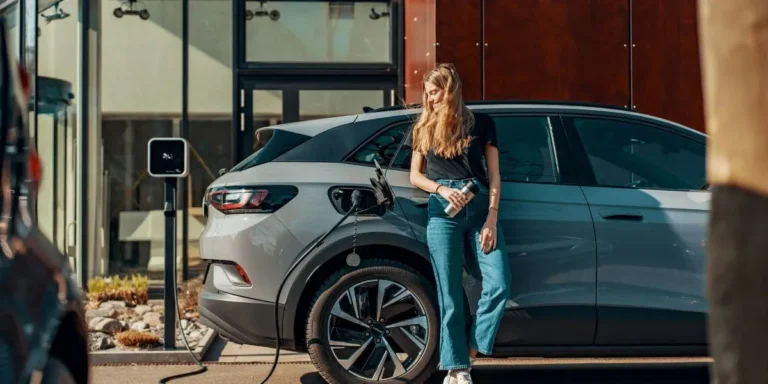
With Level 2 home charging, you wake up every morning to a full battery. You stop going to gas stations almost entirely — and you stop thinking about fuel the way you stopped thinking about rewinding DVDs.
If charging specifically is where you have questions, start with understanding how EV charging works — Level 1, Level 2, DC fast, connectors, and the 80% rule explained clearly.
FHWA
NRDC
DOE AFDC
KBB
Consumer Reports found EV owners save $6,000–$10,000 over the life of the vehicle compared to a comparable gas car — based on real ownership data from thousands of members, not projections. The math works best if you drive 10,000+ miles per year and keep the car at least five years.
Not sure how any of this actually works under the hood? The guide to how electric cars work explains the motor, inverter, and battery in plain English — including why there are no gears and what can kill the car even with a full charge.
- Have a garage, driveway, or dedicated spot where you can install a home charger
- Drive mostly local — under 200 miles on a typical day
- Plan to keep the car 5+ years (where the savings actually compound)
- Drive a lot — high-mileage drivers save the most because fuel savings stack up faster
- Have a second gas or hybrid car for occasional long hauls, or live near reliable fast charging
If You Can’t Charge at Home: Read This First
This is the section nobody writes properly — and it matters more than any other. A Morning Consult survey found 78% of American vehicle owners don’t have home EV charging access — that’s most people reading this right now.
If you’re renting an apartment, parking on the street, or in a shared lot you don’t control — a full battery EV will create daily friction that erodes the whole reason you bought it.
If you’re street-parking with no outlet access — skip the full EV. You’ll hate life within a month.
You do have options though. Here’s what they actually look like in practice:
Does your building have chargers? More apartment complexes are installing Level 2 chargers — ask your property manager before assuming, because reliable building access makes full EV ownership viable.
Can you charge at work? The majority of workplaces with EV stations provide free charging to employees — if yours does and you drive predictable daily distances, a full EV can work without home charging.
Level 1 from a standard outlet: If you can access a 120v outlet near your parking spot, Level 1 adds about 4–5 miles of range per hour. For someone driving under 40 miles daily, 8–10 hours overnight covers the need.
If outlet access is your only option, the Lectron portable Level 1/2 charger is the one to get — ETL certified, works on a standard 120v outlet or 240v when you have it, and goes in the trunk when you travel.
- Park on the street with no outlet access at all
- Live in an apartment without building chargers and can’t charge at work
- Have unpredictable daily distances with no reliable backup charging option
- Regularly tow heavy loads — towing cuts EV range 50%+ at highway speeds
- Plan to sell within 2–3 years and won’t recoup the price premium
The honest verdict for apartment dwellers: Get a plug-in hybrid instead. You get 25–50 miles of electric-only range for daily driving, then a gas engine takes over — no range anxiety, no public charging dependency.
Want the full 5-year financial breakdown — fuel savings, maintenance numbers, the tax credit situation, and who the math actually works for? Is an Electric Car Worth It? runs the honest mechanic’s math.
What an EV Actually Costs to Own
The sticker price gap is real — new EVs typically cost $4,000–$8,000 more than a comparable gas car before incentives. The federal $7,500 tax credit expired September 30, 2025, but state and utility rebates remain — check the DOE’s state incentives database for what’s available in your zip code before buying.
Where EVs make the money back is running costs. Here’s the real comparison:
| Cost Category | EV (annual) | Gas Car (annual) | Winner |
|---|---|---|---|
| Fuel / Charging (12k mi/yr) | ~$675 | ~$2,220 | EV saves ~$1,545 |
| Routine Maintenance | $150–$400 | $900–$1,800 | EV saves $500–$1,400 |
| Insurance | ~$200–$500 higher/yr | — | Gas car wins |
| State EV registration fees | Varies by state | — | Gas car wins |
| 5-year total savings | $6,000–$10,000 ahead — Consumer Reports real-world member data | ||
Sources: Recharged.com 2025 · Consumer Reports via Great Plains Institute · Coltura Q4 2025. Results vary by vehicle, state, and driving habits.
For the full year-by-year EV maintenance cost breakdown — including what happens after the 8-year warranty expires — see our complete EV maintenance costs guide.
💰 EV vs Gas: What’s the Real Cost Difference?
Enter your numbers to see the annual and 5-year comparison.
US average is ~16¢/kWh. Check your electric bill for your actual rate.
Your Fuel Cost Comparison
You save per year
$940
Over 5 years
$4,700
EV maintenance saves*
~$600/yr
Total 5yr est. savings
$7,700
*EV maintenance savings estimate based on no oil changes, fewer brake jobs, and reduced drivetrain servicing. Fuel cost uses 3.5 mi/kWh EV efficiency average. Individual results vary. Does not include purchase price difference or charging equipment costs.
Battery replacement scares people more than it should. Every new EV comes with a federally mandated 8-year/100,000-mile battery warranty minimum, and real-world data from EVs over a decade old shows most retain over 90% of original capacity.
It's the scary headline that almost never becomes an actual bill.
Charging a typical 75 kWh battery at home at ~$0.15/kWh costs about $11. A 30 mpg gas car costs $35–$40 to fill at today's prices — that gap repeats every single fill-up for the life of the car.
If you're serious about home charging, the ChargePoint Home Flex is what most EV owners actually install — works with every EV, app-controlled scheduling, and ChargePoint backs it with 24/7 support from the company that runs the largest charging network in North America.
New vs. Used EV: Which Makes More Sense Right Now
A massive wave of lease-return EVs flooded the used market in 2025–2026, pushing prices on 2–4 year old cars down dramatically. This is the best used EV buying window we've seen — and it won't stay open forever.
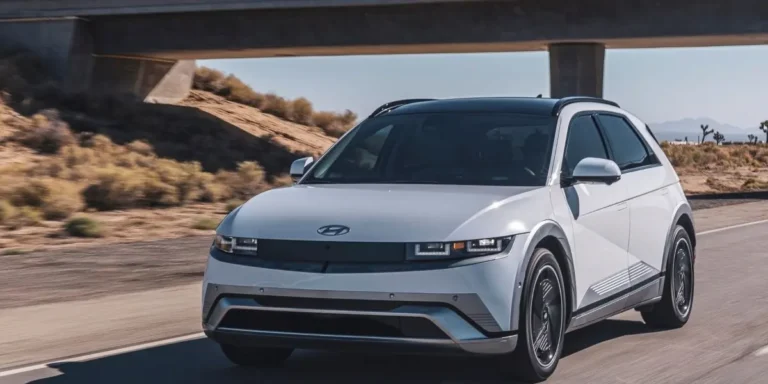
A used 2023 Hyundai Ioniq 5 — one of the best EVs ever made — averages $23,249 on Edmunds right now, for a car that sold new at $43,000–$55,000. Factory battery warranty still active, 800V ultra-fast charging architecture — that's a premium EV at a used car price.
| Option | Price Range | Range | Best For |
|---|---|---|---|
| 2026 Chevy Equinox EV (new) | ~$30K with March 2026 deals | 319 mi | First-time buyers, value-focused |
| Used 2023–24 Ioniq 5 | Avg $23K (Edmunds) | 220–266 mi | Best used value, warranty still active |
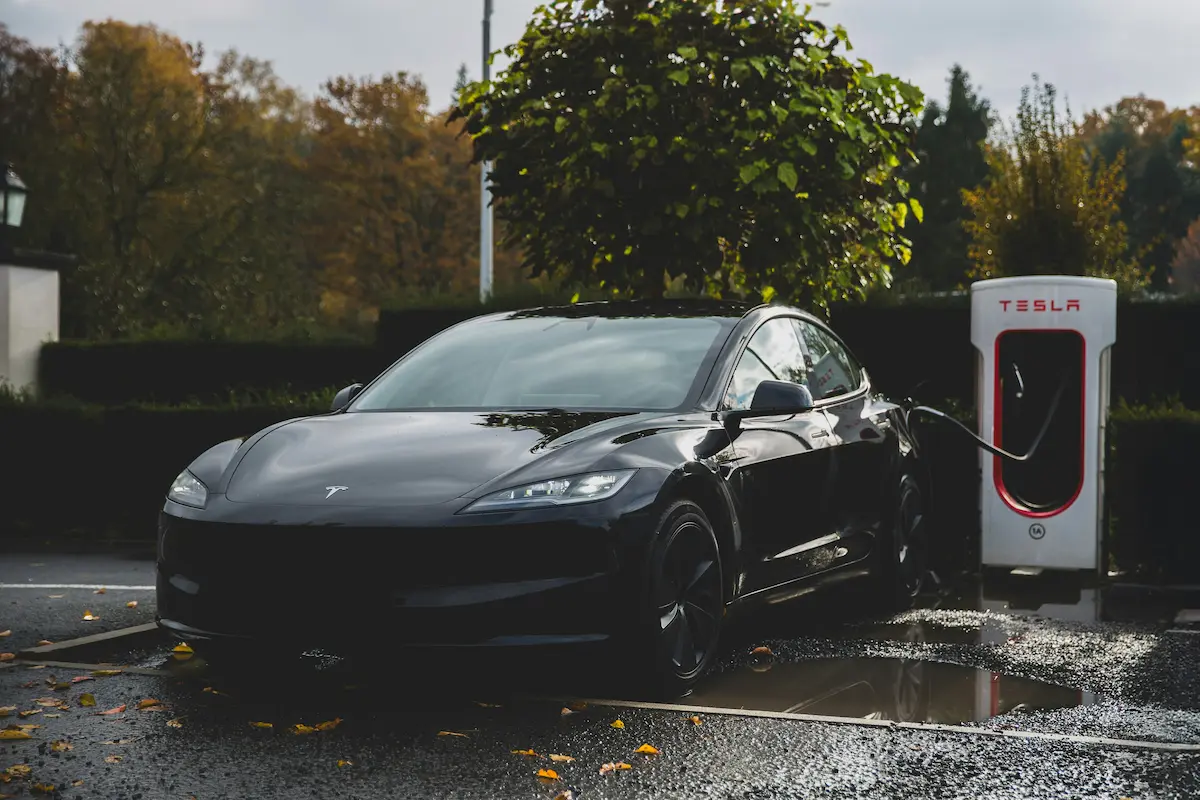
| New Tesla Model Y | From $39,990 | 321 mi | Best Supercharger network access |
| Used 2022–23 Chevy Bolt | Under $20K | 259 mi | Tightest budget, city and suburb driving |
When shopping used, ask for a battery health report — dealers can often provide Recurrent or manufacturer data showing current battery state of health. Prioritize cars with remaining factory warranty and avoid high-mileage examples that relied heavily on DC fast charging daily, which degrades batteries faster than Level 2 home charging.
A $25 ANCEL AD310 OBD2 scanner — 30,000+ Amazon reviews — takes 60 seconds to check for stored fault codes before you hand over a deposit on any used car.
If you've already decided an EV is right for you and you're ready to shop used, read our complete guide to buying a used electric car — battery health, what to inspect, and how to negotiate without getting played.
EV or Hybrid? The Straight Answer
Get a full EV if you can charge at home, drive predictable daily distances, and want the lowest possible running costs over time. The savings are real and they compound over years of ownership.
Get a regular hybrid if you can't charge at home, take frequent long road trips, live somewhere with sparse charging infrastructure, or just want zero change to your daily routine. A hybrid gives you most of the fuel efficiency gains with no charging dependency whatsoever.
Get a plug-in hybrid (PHEV) if you want mostly electric daily driving but a gas engine as insurance. The Mazda CX-90 PHEV and Toyota RAV4 Prime both give you 25–50 miles of electric-only range — enough for most daily commutes without ever touching gas.
If you live in an apartment but can plug in at work, a PHEV is often the smartest move available. You run electric on your daily commute and never depend on public fast chargers — best of both worlds for the current charging infrastructure reality.
None of those choices is wrong. The right one depends entirely on your charging situation and how you actually use a car — not on what's trending on Reddit this month.
Should I Buy Now or Wait?
If you need a car and can charge at home: buy now. The "wait for better technology" argument has no endpoint — it never will.
Here's the honest mechanic's read on timing: the used EV price correction of 2025–2026 is the best buying window we've seen. Lease returns flooded the market and prices dropped hard.
When the next generation of EVs hits dealer lots in force, used prices reset higher — that window closes. If you're on the fence, the math favors moving now on a 2–3 year old warrantied EV over waiting for a new model.
The one legitimate reason to shop carefully on timing: check what manufacturer incentives exist on the specific car you want right now. Chevy offered up to $10,000 off the Equinox EV in March 2026 — those deals change monthly and timing them right can mean thousands saved.
Most EV manufacturers recommend charging to 80% for daily use rather than 100% — repeatedly topping to 100% stresses battery chemistry and accelerates long-term capacity loss. Reserve the full charge for days you need maximum range, like a long road trip.
What EV Should I Actually Buy First?
Most articles on this topic answer the "should I" question and leave you hanging on the "what." Here's where I'd actually point someone depending on their situation:
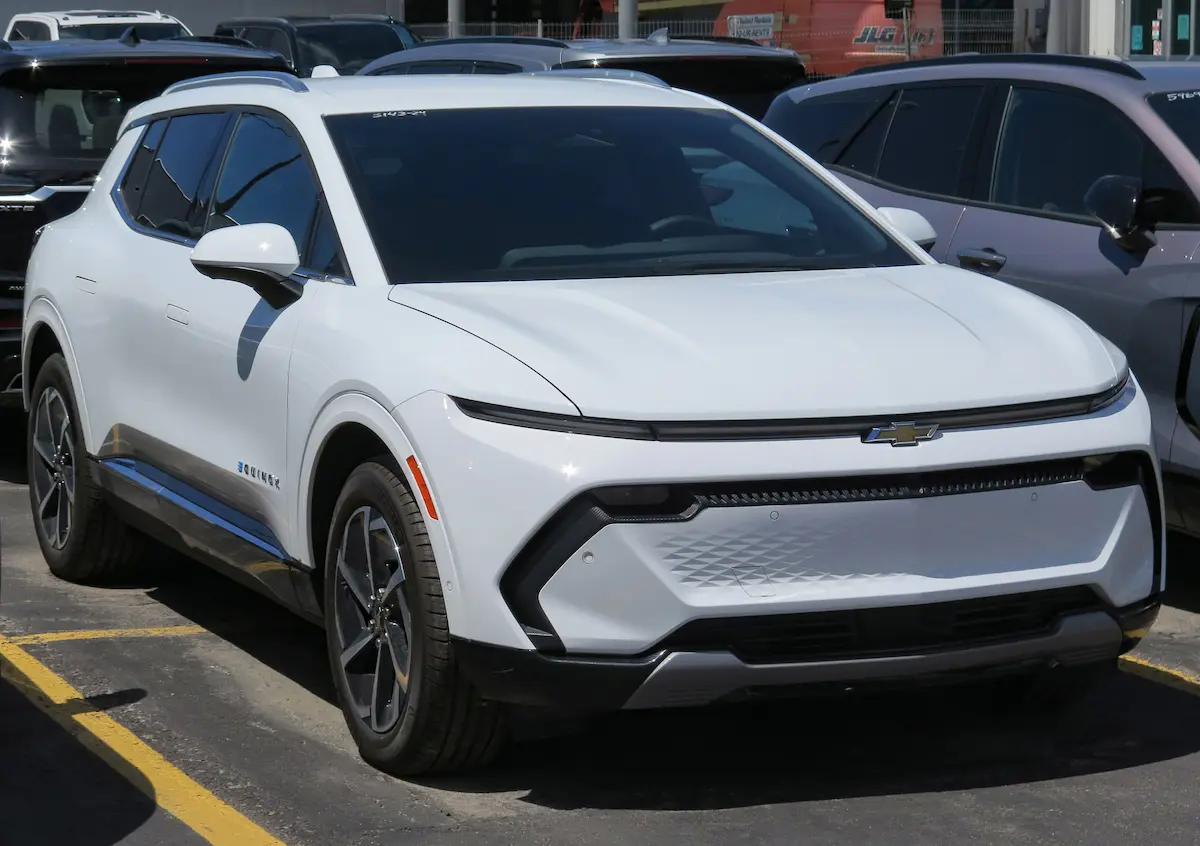
2026 Chevy Equinox EV
Starts around $30,000 with current dealer cash-back deals, 319 miles of range, and a normal-looking SUV body that's easy to live with from day one. Edmunds calls it the best value entry point in the compact EV segment — the only real downside is no Apple CarPlay.
This is the one I'd tell my brother to buy if he wanted simple, cheap-to-run EV ownership without the drama.
It also held up best in heat testing — if you live somewhere hot, see my best EVs for hot weather picks before deciding.
Best for: First-time EV buyers who want solid range and real value without thinking too hard about it.
2023–2024 Hyundai Ioniq 5
Average price around $23,000 on Edmunds right now — for a car that sold new at $43,000–$55,000 with ultra-fast 800V charging and factory warranty still active. Battery degradation data shows minimal capacity loss even at significant mileage.
Best for: Buyers who want a premium EV at a non-premium price and can be flexible on color and trim.
Used 2022–2023 Chevy Bolt
Under $20,000 for a proven, reliable EV with 259 miles of range and one of the strongest reliability track records in the segment. Don't expect luxury — do expect dependability and one of the lowest cost-per-mile options in any segment.
Best for: Anyone who wants to find out if EV ownership suits them before spending $40,000 finding out.
Kia EV9
Three rows, 300+ miles of range, and one of the best-reviewed family EVs on the market — real ownership costs, charging reality, and what nobody tells you about living with a three-row EV. Full Kia EV9 guide here.
Best for: Families going fully electric who need third-row space and won't compromise on range.
Frequently Asked Questions
Is it financially smart to buy an electric car?
For most drivers who can charge at home, yes. Consumer Reports found EV owners save $6,000–$10,000 over the life of the vehicle versus a comparable gas car — real member data, not projections. The math works best if you drive 10,000+ miles per year, keep the car at least five years, and can charge at home.
What is the downside of electric cars?
Higher purchase price than comparable gas cars, charging requires more planning than a three-minute gas fill-up, insurance tends to run $200–$500 more per year, range drops meaningfully in cold weather or when towing, and public charger reliability is still inconsistent. Without home charging, every one of those downsides multiplies. None of them are dealbreakers for the right buyer — but pretending they don't exist is dishonest.
What is the 80% rule for EVs?
Most manufacturers recommend charging to 80% for daily use rather than 100%. Repeatedly topping to 100% stresses the battery chemistry and accelerates long-term capacity loss. Reserve the full charge for days you genuinely need maximum range — in practice, 80% covers the daily driving of most EV owners without compromise.
Should I buy an electric car if I can't charge at home?
In most cases, no. Without home charging, you're relying on public chargers for daily driving — and public DC fast charging costs $0.40–$0.60/kWh versus ~$0.15 at home, which erases most of your fuel savings. A hybrid or plug-in hybrid is the smarter call, though checking your building or workplace for chargers first is worth doing.
Is it worth getting an electric car in 2026?
Yes, for the right buyer. EVs in 2026 offer 250–400+ miles of range, the charging network has expanded significantly, and running costs are 40–50% lower than comparable gas cars over time. The used EV market is also strong right now — lease returns have pushed prices on 2–4 year old cars down dramatically, though home charging access remains the key qualifier.
How long do EV batteries last?
Much longer than the scary headlines suggest. Real-world data from EVs over a decade old shows most batteries retain over 90% of original capacity at 100,000+ miles, and every new EV comes with a federally mandated 8-year/100,000-mile warranty. What happens to an EV battery after 10 years covers real degradation data from 22,700 vehicles.
Should I buy an EV now or wait?
If you need a car and can charge at home, buy now. The "wait for better technology" logic has no natural endpoint — EVs will always improve. Check current manufacturer incentives on the specific car you want before buying, since automakers are aggressively replacing the expired federal tax credit with their own cash-back deals that change month to month.
What happens if my EV runs out of charge?
Same as a gas car running out of fuel — you need a tow. EVs give very accurate range estimates and warn you well before you're in trouble, and most automatically route you to the nearest charger when range gets low. Range management becomes intuitive within the first few weeks — most owners stop thinking about it after month one.
Should I buy an EV or hybrid?
Buy an EV if you can charge at home and drive mostly local. Buy a regular hybrid if you can't charge at home or want zero lifestyle change — or a plug-in hybrid (PHEV) if you want electric daily driving with a gas engine as backup. The right answer depends entirely on your charging situation, not on what anyone else is doing.
Use Edmunds' EV rankings to compare real transaction prices on new EVs — and their used EV listings to find lease-return deals near you. Prices move fast in this market.
The Bottom Line
Should you buy an electric car? If you can charge at home and drive mostly local — stop waiting, an EV will save you real money and make your daily routine simpler.
If you can't charge at home, a hybrid or plug-in hybrid is the smarter call — don't fight the infrastructure situation, work with it. A PHEV gives you most of the electric driving benefits without the charging dependency.
And before you buy new, look hard at the used EV market. A 2023 Ioniq 5 averaging $23,000 with factory warranty still active is one of the best vehicle values in any segment in 2026 — that window won't stay open forever.
I've spent 25 years around cars — the EV shift is real and it's not reversing. For most people who can check those two boxes, the answer is yes; for the rest, the hybrid path gets you most of the way there without the friction.
Need a three-row family EV? The Kia EV9 guide covers real ownership costs, charging reality, and what nobody tells you about living with a three-row electric SUV.
Not ready to go fully electric? Our best hybrid SUVs with third-row guide covers six solid picks for 2026.
Still weighing hybrid against full EV? Our hybrid versus electric car comparison covers the full 5-year cost breakdown.
Disclosure: SpotForCars participates in the Amazon Associates program. If you purchase through affiliate links on this page we earn a small commission at no extra cost to you. This never influences our recommendations.